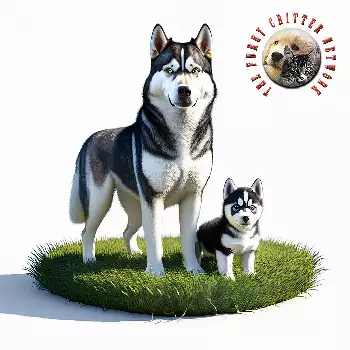

The Siberian Husky has enjoyed a prominent presence in film and television, often cast in roles that emphasize the breed's beauty, endurance, and connection to Arctic adventure. The 1995 animated film based on the story of Balto brought the famous sled dog's serum run saga to a new generation of viewers, spawning sequels and cementing the Husky's image as a heroic working dog in the popular imagination. Live-action films depicting sled dog adventures have similarly relied on Siberian Huskies and their close relatives to portray the drama and grandeur of polar expeditions.
Disney's 2006 film depicting a team of sled dogs stranded in Antarctica drew heavily on the visual appeal of Siberian Huskies and Alaskan Malamutes, showcasing the breeds' intelligence and loyalty in a survival narrative. The film was a commercial success and is widely credited with sparking a surge of interest in Husky ownership, a phenomenon that rescue organizations later cited as contributing to increased surrender rates among owners who were unprepared for the breed's demands.
On television, Siberian Huskies have appeared in a wide range of programming, from nature documentaries about Arctic wildlife to reality shows following competitive mushers through grueling races. The breed's expressive face and photogenic qualities make it a natural fit for the screen, and trainers frequently note that Huskies are among the more challenging breeds to work with on set due to their independent streak and tendency to vocalize at unpredictable moments.
The 2019 film telling Togo's story brought renewed attention to the sled dog who covered the longest and most dangerous stretch of the 1925 serum run. The production used a combination of trained Siberian Huskies and digital effects to recreate the harrowing journey across the frozen Norton Sound, and the film's release prompted a broader cultural reassessment of which dogs truly deserved the most credit for the relay's success.