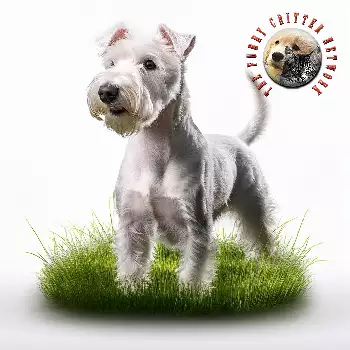

The Sealyham Terrier's connection to the film industry runs deep, owing largely to the breed's popularity among Hollywood's golden-age elite. Alfred Hitchcock, one of cinema's most influential directors, was a devoted Sealyham owner, and his dogs were frequently photographed alongside him during publicity sessions and on film sets. While the Sealyham did not star as a featured character in Hitchcock's films, the director's very public affection for the breed gave it an enduring association with the world of cinema.
During the 1930s and 1940s, the Sealyham appeared in various Hollywood films as a background player or society accessory, reflecting its real-world status as a fashionable companion of the wealthy. The breed's crisp white coat and compact, photogenic build made it a natural fit for scenes depicting affluent domestic life. These appearances were typically uncredited and incidental, but they reinforced the Sealyham's image as a dog of sophistication and taste.
The breed's visibility in film and television declined significantly as its overall popularity waned during the latter half of the twentieth century. By the time terrier breeds were enjoying renewed screen time in the early twenty-first century, the Sealyham had largely been replaced in the public imagination by more numerically common breeds. However, occasional documentary features on rare and endangered breeds have brought the Sealyham back to the small screen, introducing it to audiences unfamiliar with this once-celebrated terrier.
Dog show broadcasts have provided the Sealyham with some of its most memorable modern television moments. The breed's Best in Show victories at prestigious events like Westminster have been televised to millions of viewers, generating spikes of public interest and media coverage. These brief moments in the spotlight serve as important reminders of the breed's continued existence and competitive quality.