
Film & Television

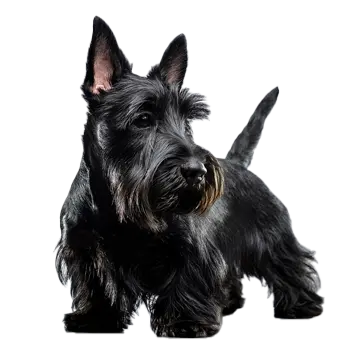
The Scottish Terrier has enjoyed a long and distinctive presence in film and television, often cast in roles that reflect the breed's dignified and spirited personality. One of the most prominent animated appearances of a Scottie is the character Jock in the classic animated feature about a pampered Cocker Spaniel and a streetwise mutt. Jock is portrayed as a loyal, no-nonsense companion with a thick Scottish accent, reinforcing the breed's association with its homeland and its reputation for steadfast loyalty.

Scotties have appeared in numerous other films and television programs over the decades, typically cast as the companions of sophisticated or strong-willed characters. The breed's distinctive silhouette and expressive face make it a natural for the screen, and its compact size has made it practical for on-set work. Scottish Terriers have appeared in period dramas, family comedies, and even mystery series, usually playing the role of a faithful and slightly imperious companion.

In live-action film, Scottish Terriers gained widespread visibility through their association with real-life public figures. Documentary footage and newsreels featuring presidential Scotties brought the breed into American living rooms throughout the twentieth century, blurring the line between media representation and real-life celebrity. The breed's frequent appearances alongside powerful and glamorous figures reinforced its image as a dog of status and refinement.

Television commercials have also featured Scottish Terriers prominently, often using the breed's recognizable profile to convey qualities such as reliability, tradition, and premium quality. The Scottie's visual distinctiveness makes it an effective choice for advertisers seeking a breed that audiences can identify instantly, and its dignified bearing lends an air of sophistication to the products and brands it represents.

Literature & Art

The Scottish Terrier has been a beloved subject in literature and art for well over a century. In children's literature, Scotties have appeared in numerous picture books and early readers, often depicted as plucky, loyal companions embarking on adventures alongside their young owners. The breed's distinctive appearance — the bushy eyebrows, wiry coat, and alert ears — translates beautifully into illustration, making Scotties a favorite subject for artists working in the children's book genre.

In the world of fine art and decorative design, the Scottish Terrier became an enormously popular motif during the Art Deco period of the 1920s and 1930s. The breed's clean, angular silhouette was perfectly suited to the geometric aesthetics of the era, and Scottie imagery appeared on everything from ceramics and textiles to jewelry and household accessories. Collectors today actively seek out vintage Scottie-themed items from this period, and the Art Deco Scottie remains one of the most recognizable decorative motifs in the antiques market.

Scottish Terriers have also appeared in the works of notable painters and illustrators. The breed was a popular subject for Victorian-era animal painters, who depicted Scotties in both formal portraits and charming domestic scenes. These works helped codify the breed's visual identity in the public imagination and contributed to its growing popularity as a fashionable companion during the late nineteenth and early twentieth centuries.

In more recent literary history, Scottish Terriers have appeared in memoirs, breed-specific nonfiction, and novels. Authors who have owned Scotties often write about the breed's distinctive personality — its independence, loyalty, and occasional stubbornness — with affection and humor. These literary portrayals have helped sustain public interest in the breed and have introduced the Scottish Terrier to readers who might not otherwise encounter one in person.

Internet & Social Media

The Scottish Terrier has carved out a dedicated niche in the world of internet culture and social media. While the breed does not command the viral fame of some larger or more exuberant breeds, Scottie owners maintain a passionate and active online community. Instagram, TikTok, and Facebook host numerous accounts dedicated to individual Scottish Terriers, showcasing the breed's photogenic qualities and endearing personality quirks.

The Scottie's distinctive grooming style — particularly the dramatic beard, eyebrows, and leg furnishings — makes the breed exceptionally photogenic, and grooming transformation videos have become a popular content format among Scottie enthusiasts. These videos showcase the remarkable difference between an ungroomed Scottie and one freshly styled for the show ring or simply for everyday elegance, and they consistently draw engagement from dog lovers across breed lines.

Online communities dedicated to Scottish Terriers serve as valuable resources for owners, breeders, and breed enthusiasts. Forums and social media groups facilitate discussions about breed health, grooming techniques, training strategies, and the unique challenges and rewards of living with an independent-minded terrier. These communities have been particularly important for connecting Scottie owners in regions where the breed is relatively uncommon, helping to sustain a sense of community among far-flung enthusiasts.

The breed's association with the Monopoly game has given the Scottish Terrier an enduring presence in internet memes and gaming culture. When the game's manufacturer has periodically invited fans to vote on retiring or adding playing pieces, the Scottie token has consistently generated passionate advocacy from fans determined to preserve its place in the game. These voting campaigns have generated significant social media engagement and have introduced the breed to younger audiences who might not be familiar with Scottish Terriers in real life.

Advertising & Branding

The Scottish Terrier's unmistakable silhouette has made it one of the most frequently used dog breeds in advertising and branding. The breed's clean, compact outline is instantly recognizable even in simplified graphic form, which has made it a favorite of logo designers and brand strategists. Scottish Terrier imagery has been associated with a wide range of products and brands, from whisky and fashion to household goods and stationery.

One of the most iconic uses of the Scottish Terrier in branding is the Black & White Scotch whisky label, which features a black Scottish Terrier alongside a white West Highland White Terrier. This pairing, introduced in the early twentieth century, became one of the most recognized brand images in the spirits industry and helped cement the Scottish Terrier's association with Scottish heritage and premium quality. The two dogs became inseparable from the brand's identity and appeared in print advertisements, television commercials, and point-of-sale materials for decades.

Beyond the spirits industry, Scottish Terriers have appeared in advertising campaigns for clothing retailers, pet food brands, greeting card companies, and luxury goods makers. The breed's association with sophistication, tradition, and understated elegance makes it a natural fit for brands seeking to project these qualities. During the mid-twentieth century, Scottie imagery was particularly popular in fashion advertising, where the breed's dignified presence complemented the aspirational tone of the campaigns.

The Scottish Terrier's effectiveness as a branding element stems in part from its emotional resonance with consumers. The breed evokes feelings of warmth, loyalty, and timeless quality — attributes that brands actively seek to associate with their products. Even as advertising trends have evolved, the Scottish Terrier remains a reliable visual shorthand for these qualities, and its image continues to appear in contemporary branding and marketing materials.

The Popularity Effect

The Scottish Terrier's extensive media presence has had a measurable impact on the breed's popularity and public perception over the decades. During the 1930s and 1940s, when Scotties were at the height of their cultural visibility — appearing in films, advertisements, and alongside prominent public figures — the breed experienced a dramatic surge in registrations and became one of the most popular breeds in both the United States and the United Kingdom.

However, the relationship between media exposure and breed popularity is complex and not always beneficial. Periods of intense popularity have sometimes led to overbreeding by commercial breeders seeking to capitalize on demand, which can result in health problems and temperament issues within the breed. Responsible breed clubs and breeders have worked to counter this effect by emphasizing the importance of health testing, careful breeding selection, and honest education about the breed's needs and temperament.

The Scottie's media image has also shaped — and occasionally distorted — public expectations of the breed. The dignified, composed Scottish Terrier seen in advertisements and on screen can lead prospective owners to underestimate the breed's energy, stubbornness, and strong prey drive. Breed rescue organizations report that some surrendered Scotties were acquired by owners who expected a docile lap dog and were unprepared for the breed's independent and sometimes challenging personality.

In recent years, breed advocates have used social media and online platforms to present a more nuanced and realistic portrait of the Scottish Terrier, balancing the breed's glamorous image with honest information about its care requirements, health considerations, and temperament. This effort to align public perception with reality reflects a broader trend in the dog world toward responsible ownership education, and it has helped ensure that those who choose a Scottish Terrier do so with a clear understanding of what life with this remarkable breed truly entails.

Always consult a qualified professional before making any health-related decisions. This content is provided for informational reference only and should not replace professional guidance specific to your animal.