
Film & Television

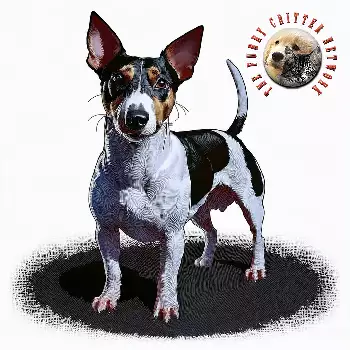
The Rat Terrier's screen presence has been modest compared to breeds like the Golden Retriever or German Shepherd, but the breed has made notable appearances in both film and television over the decades. Their alert expressions, compact size, and natural trainability make them appealing candidates for animal actors, and they have appeared in a variety of productions ranging from independent films to mainstream television series.

One of the breed's most recognized screen appearances came in the 2006 film "The Pursuit of Happyness," where a Rat Terrier appeared alongside the lead characters. The dog's presence in the film reinforced the breed's association with everyday American family life and resonated with audiences who recognized the breed from their own experiences. Rat Terriers have also appeared in various television series as background family pets, typically cast in roles that emphasize their friendly, approachable nature.

Documentary filmmakers have occasionally turned their attention to the Rat Terrier, particularly in productions exploring American rural heritage, traditional farming practices, and the history of working dogs. These documentaries have helped educate wider audiences about the breed's origins and its role in shaping agricultural life in the United States. The breed's photogenic quality — with its expressive eyes, erect ears, and muscular build — translates well to the screen.

Despite their relative lack of starring roles, Rat Terriers have developed a following among animal trainers in the entertainment industry. Trainers appreciate the breed's quick learning ability, eagerness to please, and consistent temperament on set. As the breed has gained visibility through AKC recognition and growing popularity, opportunities for screen appearances have increased, and breed advocates hope to see the Rat Terrier featured more prominently in future productions.

Literature & Art

The Rat Terrier appears throughout American literature primarily in the context of rural and Southern storytelling, where the breed serves as a familiar fixture of farm life and small-town culture. Authors writing about the American heartland have frequently included Rat Terriers as characters or background details, using the breed to establish a sense of place and time. The dogs appear in memoirs, short stories, and novels set in the early to mid-20th century, reflecting their historical prevalence across the rural United States.

In children's literature, the Rat Terrier has been featured in several books aimed at young readers, often cast as a plucky, adventurous companion. These stories typically emphasize the breed's intelligence, bravery, and loyalty — qualities that make for compelling children's fiction while also reflecting the breed's real-world characteristics. The Rat Terrier's manageable size and friendly appearance make it an accessible subject for young audiences who might be intimidated by larger, more imposing breeds.

Visual artists working in the tradition of American realism have depicted Rat Terriers in paintings and illustrations that celebrate rural American life. These artworks often portray the dogs in working contexts — hunting, ratting, or standing alertly alongside their owners — and they contribute to the breed's visual iconography. Folk art and craft traditions in the American South have also incorporated Rat Terrier imagery, reflecting the breed's deep roots in regional culture.

Breed-specific publications and coffee-table books have documented the Rat Terrier's history, bloodlines, and cultural significance in detail. These works serve both as reference material for breeders and fanciers and as celebrations of the breed's unique American heritage. Photography collections featuring Rat Terriers have captured the breed's range of expressions and physical variety, showcasing everything from working farm dogs to pampered household companions.

Internet & Social Media

The rise of social media has been a significant boon for the Rat Terrier's visibility. On platforms like Instagram, TikTok, and YouTube, Rat Terrier owners share videos and photos that showcase the breed's playful personality, athletic ability, and endearing quirks. The breed's expressive face — with its large, alert eyes and mobile ears — photographs exceptionally well and has helped numerous Rat Terrier accounts build dedicated followings.

Rat Terrier content on social media tends to emphasize the breed's high energy and comedic potential. Videos of Rat Terriers performing tricks, competing in agility courses, or engaging in enthusiastic play sessions regularly attract substantial engagement. The breed's hunting instincts also feature prominently, with videos of Rat Terriers chasing toys, digging with focused determination, or demonstrating their impressive speed generating significant viewer interest.

Online communities dedicated to the Rat Terrier have flourished on platforms like Facebook and Reddit, where owners exchange advice on training, health care, and breed-specific behavior. These communities serve as valuable resources for new Rat Terrier owners and help foster a sense of connection among breed enthusiasts who may be geographically isolated. Breed-specific rescue organizations have also leveraged social media effectively, using compelling adoption stories and before-and-after photos to find homes for Rat Terriers in need.

The internet has also facilitated a broader awareness of the Rat Terrier's history and working heritage. Blog posts, breed profile websites, and online articles have made information about the breed accessible to a global audience, introducing the Rat Terrier to potential owners who might never have encountered one in person. This digital presence has contributed measurably to the breed's growing popularity and has helped dispel common misconceptions, such as the frequent confusion between Rat Terriers and Jack Russell Terriers.

Advertising & Branding

The Rat Terrier has made occasional appearances in advertising, though it has not achieved the ubiquitous brand-ambassador status enjoyed by breeds like the Dalmatian or the Chihuahua. When Rat Terriers do appear in commercial contexts, they are typically used to evoke themes of Americana, rural authenticity, and down-to-earth reliability. Their wholesome, approachable appearance makes them effective in campaigns targeting audiences who value tradition and practicality over glamour.

Regional businesses in the American South and Midwest have been the most frequent employers of Rat Terrier imagery in their branding. Feed stores, farm supply companies, and rural lifestyle brands have used the breed's likeness to signal their connection to agricultural heritage and working-dog culture. The Rat Terrier's association with pest control has also made it a natural choice for extermination and pest management companies seeking a friendly, memorable mascot.

In the pet industry, Rat Terriers have appeared in advertising for dog food, training equipment, and pet accessories, though usually as part of a diverse cast of breeds rather than as the sole featured dog. As the breed's recognition has grown following AKC acceptance, marketing professionals have shown increased interest in using Rat Terriers to represent the active, intelligent small dog demographic — a market segment that has expanded considerably as urban and suburban dog ownership has increased.

The breed's name itself has a certain branding appeal, being direct, memorable, and descriptive in a way that many breed names are not. This straightforward nomenclature aligns with the breed's no-nonsense character and has occasionally been borrowed by businesses and products seeking to convey efficiency, tenacity, and unpretentious competence. While the Rat Terrier may never become a mainstream advertising icon, its authentic American identity gives it a distinctive niche in the branding landscape.

The Popularity Effect

The Rat Terrier's media and cultural presence, while relatively understated compared to many breeds, has had a measurable impact on the breed's popularity trajectory. Each wave of public exposure — from presidential anecdotes to AKC recognition to social media virality — has brought new enthusiasts to the breed. However, the Rat Terrier's popularity growth has been gradual rather than explosive, which breed advocates generally view as a positive outcome for the breed's long-term welfare.

Sudden spikes in breed popularity, often driven by a single high-profile media appearance, have historically been associated with negative consequences including overbreeding, puppy mill exploitation, and a surge in shelter surrenders when impulse buyers discover that the breed does not match their expectations. The Rat Terrier's slower, more organic rise in popularity has largely spared it from these pitfalls. Breeders and rescue organizations have had time to educate new owners about the breed's needs and characteristics, resulting in better placement outcomes overall.

The breed's growing visibility has also contributed to increased interest in Rat Terrier rescue and adoption. As more people learn about the breed through media exposure, rescue organizations have seen an uptick in adoption inquiries and volunteer support. This is particularly significant because Rat Terriers and Rat Terrier mixes remain one of the more common terrier types found in shelters across the southern and midwestern United States.

Looking forward, breed enthusiasts are cautiously optimistic about the Rat Terrier's media trajectory. The breed's genuine working heritage, adaptable temperament, and photogenic appearance position it well for continued growth in visibility. However, the Rat Terrier community remains vigilant about the potential downsides of excessive popularity and continues to emphasize responsible ownership, ethical breeding practices, and the importance of understanding the breed's energetic and intelligent nature before committing to ownership.

Always consult a qualified professional before making any health-related decisions. This content is provided for informational reference only and should not replace professional guidance specific to your animal.