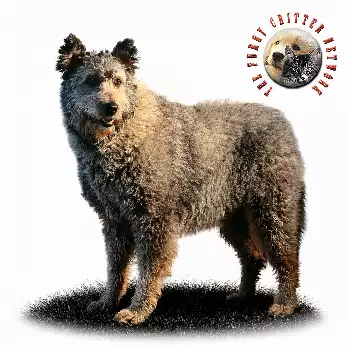

The Pumi's screen presence has been modest compared to breeds like the German Shepherd or Golden Retriever, but the breed has made notable appearances in Hungarian cinema and television. In Hungarian film, Pumik have appeared as background characters in pastoral dramas and period pieces set in the countryside, reflecting their authentic role in rural Hungarian life. These appearances, while rarely featuring the Pumi as a central character, have helped reinforce the breed's association with Hungary's cultural landscape for domestic audiences.
International film and television exposure has been limited, largely because the breed remained relatively unknown outside Central Europe until recent decades. However, the Pumi's distinctive appearance — its whimsical curly coat, tilted ears, and expressive face — makes it a natural candidate for screen work, and trainers who work with the breed note its quick learning ability and comfort with novel environments. As the breed becomes more widely available, industry professionals have begun to take notice of its on-camera appeal.
The Pumi's AKC recognition in 2016 brought a wave of television coverage in the United States, with the breed featured in segments on major network morning shows, cable news programs, and dog-focused programming. The Westminster Kennel Club Dog Show and the National Dog Show have provided annual television exposure, introducing millions of viewers to the breed's spirited ring presence. These televised events have been among the most significant drivers of public awareness for the Pumi in North America.
Documentary productions focusing on rare and heritage breeds have also featured the Pumi, particularly in segments exploring Hungary's native dog breeds. These programs typically contextualize the Pumi within the broader story of Hungarian pastoral culture, offering viewers a deeper understanding of the breed's origins and working heritage than a brief show ring appearance can provide.