
Origins & Development

The Pomeranian takes its name from Pomerania, a historical region along the Baltic Sea that straddles modern-day northeastern Germany and northwestern Poland. Despite the breed's current diminutive stature, its ancestors were far larger spitz-type dogs used for herding sheep, pulling sleds, and guarding homesteads throughout northern Europe. These early dogs, sometimes weighing thirty pounds or more, were closely related to other spitz breeds such as the German Spitz, the Samoyed, and the Norwegian Elkhound.

Selective breeding over several centuries gradually reduced the Pomeranian's size while preserving its dense double coat, fox-like face, and alert disposition. By the eighteenth century, the breed had begun to attract the attention of European aristocracy, who favored smaller companion dogs suited to salon life. Breeders in both Germany and England worked to refine the Pomeranian's proportions, coat colors, and temperament to meet growing demand among the upper classes.

The transformation from a medium-sized working dog to a true toy breed accelerated during the nineteenth century, particularly after British breeders took an active interest. Early Pomeranians exhibited in England weighed around twenty pounds, but within a few decades breeders had halved that figure. The dramatic reduction in size was achieved without sacrificing the breed's characteristic boldness or its profuse, standoff coat, traits that remain hallmarks of the Pomeranian today.

By the close of the 1800s, the modern Pomeranian had largely taken shape. Breed enthusiasts had established a recognizable type that balanced elegance and sturdiness in a compact frame. The breed's journey from rugged Arctic working dog to pampered companion is one of the most remarkable transformations in the history of domestic dog breeding.

Historical Roles

Before their miniaturization, the ancestors of the Pomeranian served practical roles in the daily life of northern European communities. Large spitz dogs were valued for their ability to herd livestock, pull light loads, and sound the alarm when strangers or predators approached. Their thick double coats insulated them against the harsh Baltic winters, and their keen intelligence made them adaptable to a variety of tasks.

As the breed decreased in size, its working roles gave way to companionship. Pomeranians became fixtures in the parlors and drawing rooms of European elites during the eighteenth and nineteenth centuries. Their portable size, striking appearance, and animated personalities made them ideal lapdogs for aristocratic women in particular. The breed's role as a status symbol and emotional companion would define its identity for the next two centuries.

Pomeranians also found a niche as alert watchdogs despite their small stature. Their sharp, persistent bark and keen awareness of their surroundings made them surprisingly effective sentinels for urban households. Owners valued the breed's willingness to announce visitors or unusual activity, a trait rooted in its spitz heritage. Even today, Pomeranians are known for their vigilant nature and tendency to vocalize at the slightest provocation.

In more recent history, Pomeranians have taken on roles as therapy dogs, emotional support animals, and competitors in canine sports such as agility and obedience. Their intelligence and eagerness to please allow them to excel in structured training environments, and their small size makes them well suited to apartment living and urban lifestyles.

Cultural Symbolism

The Pomeranian has long been associated with refinement, luxury, and spirited independence. In European court culture, owning a Pomeranian signaled wealth and taste, and the breed became a living accessory of aristocratic fashion. Portraits from the eighteenth and nineteenth centuries frequently depict noblewomen with Pomeranians perched on their laps or nestled at their feet, reinforcing the breed's status as a symbol of elegance.

Queen Victoria of England played a pivotal role in shaping the Pomeranian's cultural image. During a trip to Italy in 1888, she encountered a small Pomeranian named Marco and brought him back to England. Her enthusiastic patronage of the breed popularized smaller specimens and ignited a breeding trend that reduced the Pomeranian's average size by nearly half during her lifetime. Victoria's association with the breed cemented the Pomeranian as a dog of royalty and prestige.

Beyond aristocratic circles, the Pomeranian has come to symbolize boldness in a small package. The breed's fearless temperament and outsized personality have made it a cultural metaphor for confidence and self-assurance. In modern popular culture, the Pomeranian is often depicted as a glamorous yet feisty companion, embodying a combination of luxury and tenacity that appeals to a broad audience.

The breed also carries symbolic weight in discussions about selective breeding and the human desire to shape nature. The Pomeranian's dramatic transformation from a thirty-pound working dog to a seven-pound companion raises questions about the ethics and consequences of extreme miniaturization, a topic that continues to spark conversation among breeders, veterinarians, and animal welfare advocates.

Breed Clubs & Standards

The American Pomeranian Club, founded in 1900, is the breed's parent club within the American Kennel Club system. It serves as the primary steward of the breed standard in the United States, organizing specialty shows, supporting breeder education, and funding health research. The club's membership includes breeders, exhibitors, and pet owners united by their dedication to preserving the Pomeranian's quality and welfare.

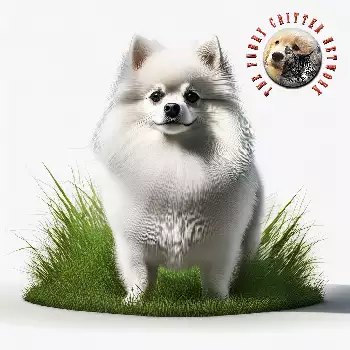
The AKC breed standard describes the Pomeranian as a compact, short-backed dog with a soft, dense undercoat and a profuse, harsh-textured outer coat. The standard calls for a well-balanced frame, a fox-like expression, and a tail that lies flat on the back. Acceptable coat colors span a wide range, including orange, black, white, cream, blue, sable, and parti-color, making the Pomeranian one of the most color-diverse breeds in the toy group.

Internationally, the Fédération Cynologique Internationale classifies the Pomeranian under the German Spitz family, grouping it as the smallest variant of the breed known as the Zwergspitz. FCI standards differ slightly from AKC standards in areas such as acceptable weight ranges and head proportions, reflecting regional breeding traditions. The Kennel Club in the United Kingdom maintains its own standard as well, with subtle distinctions in coat texture and overall outline.

Breed clubs worldwide collaborate on health initiatives targeting conditions common in Pomeranians, including patellar luxation, tracheal collapse, and alopecia X. These organizations promote responsible breeding practices through health testing protocols, mentorship programs, and educational seminars. Their work ensures that the breed continues to develop in ways that prioritize both structural soundness and genetic health.

The Breed Today

The Pomeranian consistently ranks among the most popular toy breeds in the United States, regularly appearing in the top twenty of AKC registration statistics. Its appeal extends across demographics, from urban apartment dwellers to suburban families, and the breed enjoys strong representation in conformation shows, companion events, and social media. The Pomeranian's photogenic appearance and expressive personality make it a natural fit for the digital age.

Modern breeding programs emphasize health screening and temperament alongside physical conformation. Reputable breeders test for hereditary conditions such as patellar luxation, cardiac abnormalities, and eye disorders before producing litters. The growing awareness of genetic health issues has led to more transparent breeding practices and increased demand for health-tested puppies, trends that benefit the breed's long-term viability.

The rise of the so-called teacup Pomeranian has generated controversy within the breed community. Dogs marketed as teacup specimens are simply undersized Pomeranians, often weighing less than three pounds, and they frequently suffer from a range of health problems associated with extreme miniaturization. Responsible breed clubs and veterinary organizations discourage the breeding and promotion of teacup dogs, urging buyers to seek Pomeranians that fall within the established breed standard.

Despite these challenges, the Pomeranian's future looks bright. The breed's adaptability, intelligence, and charismatic personality ensure its continued popularity, while dedicated breeders and clubs work to address health concerns and maintain breed integrity. As companion animals, Pomeranians continue to bring joy to millions of households around the world.

Notable Individuals

Queen Victoria's Pomeranian, Marco, is perhaps the most historically significant individual of the breed. Acquired during the queen's visit to Florence in 1888, Marco was a relatively small sable Pomeranian whose appearance captivated Victorian society. The queen's devotion to Marco and her subsequent breeding efforts are widely credited with popularizing the smaller type of Pomeranian that became the modern standard. Victoria reportedly owned more than thirty Pomeranians over her lifetime and exhibited them at conformation shows.

Two Pomeranians were among the handful of dogs known to have survived the sinking of the Titanic in 1912. Margaret Hays carried her Pomeranian into a lifeboat, and Elizabeth Barrett Rothschild brought hers aboard as well. The survival of these dogs amid one of history's greatest maritime disasters has become a notable footnote in both Titanic lore and breed history, underscoring the deep bond between Pomeranians and their owners.

In the world of competitive dog showing, Pomeranians have achieved top honors at prestigious events. A Pomeranian named Great Doyen of Dovetree won Best in Show at the Westminster Kennel Club Dog Show in 1988, bringing widespread attention to the breed. Such victories elevate public interest in the Pomeranian and serve as benchmarks for breeding quality.

Beyond the show ring, Pomeranians have gained fame as the companions of public figures and celebrities throughout history. From eighteenth-century European monarchs to modern entertainers and social media influencers, the breed's association with prominent individuals has reinforced its image as a glamorous and desirable companion. These notable partnerships have helped sustain the Pomeranian's popularity across generations and cultural shifts.

Always consult a qualified professional before making any health-related decisions. This content is provided for informational reference only and should not replace professional guidance specific to your animal.