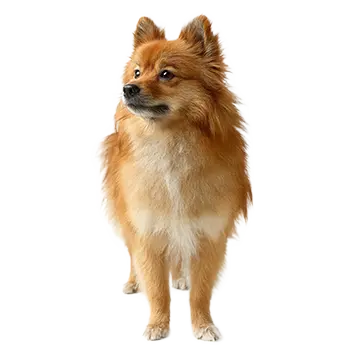
German Spitz

German Spitz
Gallery coming soon

Furry Critter Network Etsy Shop

Quick Facts

🐕 Breed Group
Non-Sporting Group
📏 Size Category
Small to Medium
📏 Height
9-15 inches (varies by variety)
⚖️ Weight
11-25 pounds (varies by variety)
⏱️ Life Expectancy
13-15 years
🧥 Coat Type
Long, double coat with dense undercoat
🎨 Coat Colors
White, Black, Brown, Orange, Grey-shaded, Cream, Parti-color
😀 Temperament
Alert, lively, devoted, intelligent
🏃 Exercise Needs
Moderate
🎓 Training Difficulty
High - intelligent and eager to learn
👶 Good with Children
Yes - especially when raised with them
🐾 Good with Other Pets
Moderate - may prefer to be only dog

Other Names & Breed Recognition

The German Spitz is known by several names that reflect both its varieties and regional differences in recognition. In its homeland of Germany, the breed is called Deutscher Spitz, emphasizing its German heritage and origins. The breed actually encompasses five distinct varieties that are sometimes recognized separately in different countries: the Wolfsspitz (also known as the Keeshond in some regions), Großspitz (Giant Spitz), Mittelspitz (Medium or Standard Spitz), Kleinspitz (Miniature or Small Spitz), and Zwergspitz (which is recognized as the Pomeranian in most countries).

The naming conventions for this breed can be somewhat confusing for those unfamiliar with German terminology. The word "Spitz" itself comes from the German word for "pointed," referring to the breed's characteristic pointed muzzle and pricked ears. This spitz-type appearance is shared by many northern breeds, but the German Spitz holds the distinction of being one of the oldest, if not the oldest, of the Central European spitz breeds with documented history dating back to 1450.

In various European countries, the German Spitz maintains recognition under different kennel club systems. The Fédération Cynologique Internationale (FCI), which is the world's largest international federation of kennel clubs, recognizes the German Spitz as a single breed with five varieties differentiated by size and color. The United Kennel Club (UKC) in the United States recognizes the Klein (small) and Mittel (medium) varieties specifically as the German Spitz, while the larger Wolfsspitz is recognized separately as the Keeshond, and the smallest variety is known as the Pomeranian.

Historically, German Spitz were sometimes referred to by their roles or characteristics rather than formal breed names. Fishermen and traders who used them as watchdogs on boats and in markets valued their alertness, leading to nicknames that emphasized their vocal nature. The term "mistbeller" or "dung-hill barkers" was used in Germany to describe their tendency to position themselves on elevated spots where they could keep watch and announce any approaching strangers or unusual activity with their distinctive, high-pitched bark.

The American Kennel Club (AKC) has accepted the German Spitz into its Foundation Stock Service (FSS), which is the first step toward full breed recognition. This status acknowledges the breed's legitimate heritage and allows German Spitz to participate in certain AKC events while the breed works toward meeting the requirements for full recognition. The breed's relatively recent introduction to the FSS reflects its rarity in the United States compared to its popularity in Europe, particularly in Germany and the United Kingdom where it has maintained a devoted following for centuries.

German Spitz Organizations & Standards

The German Spitz is recognized by multiple kennel clubs and breed organizations worldwide, each with its own standards and requirements. The Fédération Cynologique Internationale (FCI) recognizes the German Spitz as a single breed with five size varieties, placing it in Group 5 (Spitz and Primitive Types), Section 4 (European Spitz). The FCI standard is particularly influential in Europe and forms the basis for breed standards in many countries. This standard emphasizes the breed's characteristic spitz appearance, including the wedge-shaped head, small pricked ears, thick double coat with abundant ruff, and the distinctive tail that curves over the back.

The United Kennel Club (UKC) in the United States began registering German Spitz in 2006 and recognizes two varieties: the Klein (small) and Mittel (medium). The UKC places the German Spitz in the Northern Breed Group, acknowledging its spitz heritage and northern origins. The UKC standard describes an alert, lively dog that should appear well-balanced and square in proportion, with males being slightly larger than females. The standard emphasizes that the German Spitz should move freely with good reach and drive, maintaining a firm topline.

The American Kennel Club (AKC) accepted the German Spitz into its Foundation Stock Service in 1996, marking an important step toward full breed recognition in the United States. Dogs in the FSS can participate in AKC companion events and performance events but are not yet eligible for championship points. The breed's inclusion in the FSS reflects growing interest in the German Spitz among American dog enthusiasts and breeders who are working to establish the breed's presence and meet AKC requirements for full recognition.

In the United Kingdom, The Kennel Club recognizes the German Spitz in two varieties: Klein (small) and Mittel (medium). The breed has enjoyed popularity in Britain dating back to the Georgian and Victorian eras when royal patronage brought attention to these charming dogs. Queen Charlotte and Queen Victoria were both known admirers of the breed, which helped establish the German Spitz in British society. Today, the breed continues to have a devoted following among British dog enthusiasts.

The German Spitz Club, known as Verein für Deutsche Spitze, is the parent club in Germany and works to preserve the breed's health, temperament, and working abilities. This organization maintains detailed records, establishes breeding guidelines, and organizes events specifically for German Spitz. Similarly, breed clubs have formed in other countries, including the United States, where the German Spitz Club of America works to promote the breed and educate the public about its characteristics and care requirements.

Breed standards across all organizations emphasize certain key characteristics that define the German Spitz. The head should be wedge-shaped when viewed from above, with a moderate stop and a muzzle that is in harmonious proportion to the skull. The eyes are medium-sized, slightly oval, and dark in color, expressing intelligence and alertness. Ears are small, triangular, and set high on the head, carried erect and close together. The characteristic luxurious double coat stands away from the body, giving the breed its distinctive fluffy appearance. The abundant mane around the neck and shoulders, the full brush tail carried proudly over the back, and the profuse feathering on the legs contribute to the breed's eye-catching appearance.

Kennel Club Recognition

  • United Kennel Club (UKC): Recognized 2006 in Northern Breed Group
  • Fédération Cynologique Internationale (FCI): Recognized in Group 5 - Spitz and Primitive Types
  • The Kennel Club (UK): Recognized in Utility Group

German Spitz Physical Description

The German Spitz presents an unmistakably spitz-type appearance with its pointed muzzle, pricked ears, luxurious coat, and tail carried proudly over the back. The breed's overall silhouette is square, meaning the length of the body is approximately equal to the height at the withers, creating a balanced and harmonious appearance. This square proportion contributes to the breed's agile movement and distinctive proud carriage that has captivated admirers for centuries.

The head of the German Spitz is wedge-shaped when viewed from above, with a relatively flat skull that has only a slight rounding. The stop, or transition from the forehead to the muzzle, is well-defined but not overly pronounced. The muzzle itself is neither too long nor too short, being approximately equal in length to the skull, and tapers gradually to a point without being snipey. The nose is small and rounded, always black in dogs of all coat colors except brown dogs, which have a brown nose. The lips are tight and not pendulous, contributing to the breed's alert and refined expression.

The eyes of the German Spitz are one of its most expressive features, being medium-sized and slightly oval in shape. They are set somewhat obliquely in the skull, giving the breed its characteristic alert and intelligent expression. Eye color is always dark, preferably as dark as possible regardless of coat color. The eyes should never be protruding or excessively deep-set, and they convey the breed's lively temperament and keen awareness of its surroundings. The dark, sparkling eyes set against the breed's often light-colored facial fur create a striking contrast that enhances the breed's appeal.

The ears are another defining feature of the German Spitz, being small, triangular, and set high on the head. They are carried completely erect and close together, pointing straight upward. The ears are covered with short, velvety hair that contrasts with the longer coat on the rest of the head and body. The erect ear carriage is essential to the breed's alert expression and contributes to its excellent hearing, which served it well in its historical role as a watchdog.

The German Spitz possesses a moderately long, arched neck that flows smoothly into well-laid-back shoulders. The topline is level and firm, running from the withers to the base of the tail without any dip or roach. The chest is deep and well-developed, with a well-sprung ribcage that provides adequate room for the heart and lungs. The abdomen is moderately tucked up, creating a graceful underline that contributes to the breed's elegant appearance without being excessively thin or tucked.

The legs of the German Spitz are straight and well-boned, providing solid support for the body while maintaining an elegant appearance. The front legs are set well under the body with straight pasterns and rounded feet. The rear legs show good angulation at the stifle and hock, providing the power necessary for the breed's active lifestyle. The feet are small and compact with well-arched toes and thick pads, resembling cat feet in their neat, tight appearance.

One of the most striking features of the German Spitz is its magnificent coat. The breed possesses a double coat consisting of a long, straight, harsh outer coat and a soft, thick, cotton-like undercoat. The outer coat stands away from the body, giving the breed its characteristic fluffy, almost cloud-like appearance. The coat is particularly abundant around the neck and shoulders, forming a impressive mane or ruff that is more pronounced in males. The tail is profusely coated and carried in a tight curl over the back, sometimes lying flat along the back or to one side. The coat on the face and ears is short and smooth, while the legs have good feathering, particularly on the rear legs where culottes or trousers are evident.

The German Spitz comes in varieties that differ in size, ranging from the toy-sized Klein at 9-11 inches and 11-13 pounds, to the medium-sized Mittel at 12-15 inches and 20-25 pounds, to the larger Groß (Giant) at 16-20 inches and 35-45 pounds. Regardless of size, all varieties should maintain the same proportions and characteristic spitz appearance, with the size being the primary distinguishing factor between varieties.

Affectionate with Family
German Spitz dogs form incredibly strong bonds with their family members and thrive on companionship. They are devoted to their people and want to be involved in all family activities, showing unwavering loyalty and affection throughout their lives.
Good with Young Children
German Spitz generally do well with children when raised alongside them, showing patience and playfulness. However, their small size means they should be supervised with very young children to prevent accidental injury, and they appreciate respectful handling from kids.
Good with Other Dogs
German Spitz can be selective about canine companions and may prefer to be the only dog in the household. Early and consistent socialization helps them accept other dogs, though they can be somewhat territorial and may challenge unfamiliar dogs.
Shedding Level
German Spitz shed considerably, particularly during their twice-yearly coat blows in spring and fall. Their luxurious double coat requires regular grooming to manage shedding, and owners should be prepared for significant amounts of fur around the home during peak seasons.
Coat Grooming Frequency
German Spitz require extensive grooming several times per week, with daily brushing necessary during shedding seasons. Their thick double coat can mat without proper maintenance, and the time investment in grooming is considerable but essential for coat health.
Drooling Level
German Spitz are exceptionally clean dogs that drool very little to not at all. This makes them pleasant house companions and ideal for people who prefer a dog that doesn't leave moisture on furniture, clothing, or floors.
Openness to Strangers
German Spitz tend to be naturally reserved and cautious around unfamiliar people, maintaining their historical role as watchdogs. They are more likely to bark at strangers than to greet them warmly, though they warm up with time and proper introduction.
Playfulness Level
German Spitz are energetic and playful dogs who enjoy interactive games and activities with their families. They maintain their playful spirit well into adulthood and delight in having a spring in their step, always ready for fun and entertainment.
Watchdog/Protective Nature
German Spitz excel as watchdogs with their alert nature and keen observation skills. They are quick to announce visitors or unusual activity with their distinctive high-pitched bark, earning them the historical nickname "dung-hill barkers" for their vigilant nature.
Adaptability Level
German Spitz adapt well to various living situations from apartments to houses with yards, provided their exercise and mental stimulation needs are met. They are flexible and can adjust to changes in routine or environment as long as they remain with their beloved family.
Trainability Level
German Spitz are highly intelligent and capable learners who respond well to positive reinforcement training methods. They have an independent streak that requires patient, consistent training, but their eagerness to please and quick understanding make training rewarding for experienced handlers.
Energy Level
German Spitz are lively dogs with considerable energy and stamina for their size. They require daily exercise and mental stimulation to prevent boredom and maintain their physical and emotional well-being, thriving with active families who can keep up with their spirited nature.

German Spitz History & Development

The German Spitz stands as one of the most ancient dog breeds in Central Europe, with a heritage stretching back thousands of years. Archaeological evidence suggests that spitz-type dogs lived alongside humans during the Stone Age, approximately 6,000 years ago, working with hunter-gatherers in the harsh northern climates of Europe. Skeletal remains of spitz-type dogs have been discovered in ancient human settlements, indicating that these dogs formed crucial partnerships with early humans, likely serving as guards, hunting companions, and sources of warmth during cold nights.

The first written mention of the German Spitz dates to 1450, when Count Eberhard Zu Sayn of Germany documented these dogs in German literature, praising them as brave and valiant defenders of homes and agricultural fields. This historical reference provides valuable insight into how these dogs were valued in medieval Germany, not merely as pets but as working dogs that contributed meaningfully to household and farm security. The Count's writings described spitz dogs as being alert, vocal, and fearless despite their relatively small size, traits that would remain defining characteristics of the breed throughout subsequent centuries.

Many early German Spitz lived in the historical region of Pomerania, located on the southern edge of the Baltic Sea between modern-day Germany and Poland. This region's name would later be associated with the smallest variety of the German Spitz, the Zwergspitz, which became known internationally as the Pomeranian. The connection between the German Spitz and Pomerania reflects the breed's widespread presence throughout northern Germany and its importance to the people of this maritime region, where dogs served as watchdogs for traders, fishermen, and farmers.

In 1750, the renowned French naturalist Count Georges-Louis Leclerc de Buffon made a significant observation about spitz dogs in his comprehensive work "Histoire Naturelle." He theorized that German spitz-type dogs were the ancestors of many other German breeds, suggesting that the German Spitz represented a foundational canine type from which various specialized breeds were developed. While modern genetic research has provided more nuanced understanding of breed development, Buffon's observation underscored the ancient nature and genetic significance of the spitz type in European dog breeding history.

Throughout the centuries, German Spitz dogs served multiple practical functions in German society. Fishermen and traders took these alert dogs on their boats and wagons, relying on their sharp senses and vocal nature to warn of potential threats or unauthorized approach to valuable cargo. On farms throughout Germany, spitz dogs guarded fields, homes, and livestock, earning the nickname "mistbeller" or "dung-hill barkers" because they would position themselves on elevated spots like manure piles to survey their territory and sound the alarm at any suspicious activity. This watchdog role suited the breed perfectly, as they combined alertness, intelligence, and a distinctive, penetrating bark that could carry considerable distances.

Color varieties of the German Spitz became associated with different regions and roles within Germany. The white Giant Spitz (Großspitz) was particularly popular in northern and central Germany, where these dogs were used for herding sheep and protecting flocks from predators. The black Giant Spitz found favor in southern Germany, especially in wine-growing regions where they served as guardians of valuable vineyards. These regional preferences contributed to the development of distinct color lines within the breed, though all varieties maintained the characteristic spitz temperament and appearance.

The breed's fortunes changed dramatically during the Georgian and Victorian eras in Britain. German Spitz dogs caught the attention of British royalty, most notably Queen Charlotte, wife of King George III, and her granddaughter Queen Victoria. Both monarchs were enthusiastic admirers of the breed and kept several German Spitz as cherished companions. Royal patronage brought the breed considerable attention among British aristocracy and upper classes, establishing the German Spitz as a fashionable companion dog in British society. Queen Victoria's particular fondness for smaller spitz dogs contributed to the development and popularization of what would become the Pomeranian breed.

The twentieth century brought significant challenges to the German Spitz. World War I caused a sharp decline in the breed's popularity, as did World War II, which devastated dog breeding programs throughout Europe. Many breeding lines were lost, and the breed nearly faced extinction as resources became scarce and breeding priorities shifted. After World War II, German breeders faced the additional challenge of divided Germany, with different breeding philosophies emerging in East and West Germany.

The 1970s marked a turning point for the German Spitz breed. Dedicated breeders in Germany and other European countries launched concerted efforts to revive the breed and restore its population. These preservationists imported Keeshonds and carefully bred them to larger Pomeranians, working to recreate the medium-sized German Spitz that had become so rare. This careful breeding program, conducted with attention to both physical characteristics and temperament, helped re-establish the German Spitz varieties and increase their numbers.

Despite these recovery efforts, the German Spitz remains relatively rare compared to its peak popularity in earlier centuries. In Germany, the breed maintains a devoted following, but numbers remain modest. In the United Kingdom, the breed has seen growing interest in recent decades, with breed clubs working actively to promote these charming dogs. In the United States, the German Spitz is still quite rare, though its acceptance into the American Kennel Club's Foundation Stock Service in 1996 represented an important step toward establishing the breed in North America.

The United Kennel Club began registering German Spitz in 2006, recognizing the Klein and Mittel varieties as distinct from their close relatives, the Keeshond and Pomeranian. This recognition acknowledged the German Spitz as a breed worthy of preservation and promotion, distinct from the other spitz varieties despite their shared ancestry. Today, German Spitz breeders worldwide work to maintain the breed's health, temperament, and distinctive characteristics while gradually increasing population numbers through careful, responsible breeding practices that prioritize quality over quantity.

German Spitz Temperament & Personality

The German Spitz possesses a distinctive personality that combines liveliness, intelligence, devotion, and independence in equal measure. These dogs are renowned for their spirited nature and their unwavering attachment to their human families. German Spitz form extraordinarily strong bonds with their people and prefer to be actively involved in all family activities rather than being left on the sidelines. This intense devotion makes them exceptional companion dogs for people who can provide the attention and interaction these social dogs crave.

Alert and attentive by nature, German Spitz maintain the watchdog instincts that made them valuable to farmers, traders, and fishermen throughout their long history. They possess a keen awareness of their surroundings and are quick to notice anything unusual or out of place. This vigilance manifests in their tendency to bark at unfamiliar sounds, sights, or people, a characteristic that prospective owners must consider, particularly if living in close proximity to neighbors. The German Spitz's distinctive, high-pitched bark is penetrating and persistent, serving effectively to alert family members to visitors or potential concerns but potentially becoming problematic if not managed through proper training and socialization.

Despite their small to medium size, German Spitz possess considerable confidence and an independent streak that reflects their historical role as working dogs rather than lap dogs. They are intelligent problem-solvers who can think for themselves and may test boundaries if they sense inconsistency in household rules. This independence does not translate to aloofness from family; rather, it means that German Spitz prefer partnerships where they are included and engaged rather than simply following commands without understanding their purpose. Training a German Spitz requires patience, consistency, and positive reinforcement methods that respect the breed's intelligence and desire for mental engagement.

With family members, German Spitz are affectionate and playful, maintaining their youthful enthusiasm well into their adult years. They delight in interactive games, learning new tricks, and participating in activities with their people. These dogs possess an endearing quality that some owners describe as a sense of humor, showing playful mischievousness and an apparent understanding of timing that can bring laughter to their households. German Spitz enjoy being the center of attention and will often perform entertaining antics to maintain their family's focus and approval.

Around strangers, German Spitz typically display reserve rather than immediate friendliness. They are not aggressive dogs, but they take their watchdog responsibilities seriously and need time to assess unfamiliar people before accepting them. Proper socialization from puppyhood helps German Spitz distinguish between genuine threats and normal social encounters, teaching them when barking is appropriate and when they should relax. Without adequate socialization, German Spitz can become excessively suspicious or defensive around strangers, leading to problematic behaviors.

German Spitz can coexist successfully with children, particularly when raised alongside them from puppyhood. They generally show patience with respectful children who understand how to interact appropriately with dogs. However, their relatively small size means they can be injured by rough handling, and very young children should be supervised during interactions to protect both the dog and the child. German Spitz appreciate children who are old enough to participate in training, play, and care activities, forming special bonds with young family members who treat them with kindness and respect.

The German Spitz's relationship with other pets can be more complex, as many individuals in this breed prefer to be the sole dog in the household. They can be somewhat territorial and may challenge other dogs, particularly those of the same sex or similar size. Early socialization with other dogs increases the likelihood of successful multi-dog households, but prospective owners should be prepared for the possibility that their German Spitz may prefer canine solitude. With proper introduction and management, some German Spitz accept cats and other household pets, though their prey drive means that smaller animals like rabbits or birds may trigger chasing behaviors.

Energy levels in German Spitz are moderate to high, requiring daily exercise and mental stimulation to maintain physical health and prevent boredom-related behaviors. These dogs possess surprising stamina for their size and enjoy activities such as walks, play sessions, and dog sports including agility, obedience, and rally. Without adequate physical and mental outlets, German Spitz may develop problematic behaviors including excessive barking, destructive chewing, or compulsive actions. Fortunately, their intelligence and trainability mean they excel at various activities that provide both exercise and mental engagement.

German Spitz Family Life & Living Requirements

German Spitz adapt remarkably well to various living situations, from apartments to houses with large yards, provided their exercise, attention, and companionship needs are met consistently. These highly social dogs thrive when they are integrated into family life rather than relegated to outdoor living or isolation. German Spitz are indoor dogs that need to share living spaces with their people, sleeping inside the home and participating in daily household activities. Their need for human companionship is profound, and they suffer emotionally when isolated or left alone for extended periods.

For apartment dwellers, German Spitz can be suitable companions with proper management of their vocal tendencies. Their moderate size makes them physically appropriate for smaller living spaces, but their watchdog instincts and propensity to bark at sounds from neighboring units or hallways requires early training and socialization. Prospective apartment-dwelling owners should be prepared to invest significant effort in teaching their German Spitz appropriate barking behaviors and providing sufficient exercise and mental stimulation to prevent boredom. Apartments with good soundproofing and understanding neighbors are ideal, and activities like puzzle toys, training sessions, and interactive play can help keep apartment-bound German Spitz content.

In houses with yards, German Spitz benefit from the additional space for outdoor play and exploration, though they should never be exclusively outdoor dogs. They appreciate having access to a securely fenced yard where they can patrol their territory, bark at passing pedestrians or wildlife, and enjoy sunshine and fresh air. However, German Spitz are prone to nuisance barking if left unsupervised outdoors for long periods, which can lead to conflicts with neighbors. Supervised outdoor time combined with indoor family time creates the ideal balance for these companion dogs.

German Spitz are adaptable to different family structures, thriving equally well with singles, couples, and families with children. They form particularly strong attachments to their primary caretakers but generally show affection to all family members who interact positively with them. In families with children, German Spitz often become devoted playmates and protectors, though supervision remains important to ensure interactions remain appropriate and safe for both children and dogs. Families should teach children how to properly handle, play with, and respect the family dog, establishing rules that protect the German Spitz from rough treatment that could cause injury or defensive reactions.

The German Spitz's watchdog instincts make them excellent home security systems, as they reliably alert families to visitors, deliveries, and unusual sounds or activities. This protective nature, while valuable, requires management to prevent excessive barking that disturbs household peace or annoys neighbors. Training should focus on teaching the "quiet" command and rewarding the dog for brief, appropriate alerting rather than prolonged barking sessions. Many German Spitz owners appreciate their dog's vigilance while also working consistently to moderate the volume and duration of alarm barking.

Separation anxiety can be a concern with German Spitz, as their strong attachment to family makes alone time challenging for some individuals. Owners who work long hours away from home or travel frequently may find that their German Spitz struggles with extended solitude, potentially developing destructive behaviors, excessive vocalization, or compulsive actions. Crate training, gradual desensitization to departures, and ensuring adequate exercise before alone time can help German Spitz cope with separation. Some owners find that hiring dog walkers, using doggy daycare services, or arranging for family members to check on the dog helps break up long workdays and provides needed social interaction.

Daily routines benefit German Spitz significantly, as they appreciate predictability in feeding times, walk schedules, and family activities. Establishing consistent routines helps these intelligent dogs understand household expectations and reduces anxiety about when needs will be met. German Spitz quickly learn household schedules and may begin prompting family members when usual activity times approach, whether that means breakfast, evening walks, or playtime.

Grooming requirements significantly impact daily life with a German Spitz, as their luxurious double coats demand regular maintenance. Owners should be prepared to invest time in several weekly brushing sessions, with daily brushing necessary during the twice-yearly coat blowing seasons when shedding dramatically increases. Families should establish grooming as a routine part of bonding time, making the experience positive through treats, praise, and gentle handling. The time investment in grooming is substantial, and prospective owners should honestly assess whether they can commit to this ongoing care requirement.

German Spitz generally travel well once accustomed to car rides, making them suitable companions for families who enjoy including their pets in outings and vacations. They appreciate adventures with their people whether to parks, beaches, or pet-friendly establishments. Their moderate size makes them more manageable for travel than large breeds, though their tendency toward stranger wariness means that new environments and unfamiliar people may initially provoke stress or defensive barking. Proper socialization and gradual exposure to various situations help German Spitz become confident, adaptable travel companions.

German Spitz Training & Exercise Needs

Training a German Spitz begins ideally during puppyhood when these intelligent dogs are most receptive to learning and socialization. Early training establishes the foundation for a well-mannered adult dog and helps prevent problematic behaviors from developing. German Spitz are highly trainable thanks to their intelligence and desire to engage with their owners, but their independent streak means training requires patience, consistency, and positive reinforcement methods rather than harsh corrections or punishment-based techniques.

Positive reinforcement training works exceptionally well with German Spitz, as these dogs respond enthusiastically to praise, treats, and play rewards. They learn quickly when motivated by rewards they value and when training sessions remain engaging and fun. Short, varied training sessions that challenge the dog mentally while maintaining an upbeat atmosphere produce the best results. German Spitz can become bored or frustrated with excessive repetition, so incorporating variety and advancing to new skills once basics are mastered keeps training interesting for these bright dogs.

Socialization represents one of the most critical aspects of raising a well-adjusted German Spitz. Their natural wariness toward strangers and tendency toward territorial behavior means they benefit enormously from early, positive exposure to diverse people, animals, environments, and situations. Puppy kindergarten classes provide excellent socialization opportunities, allowing young German Spitz to interact with other dogs in controlled settings while learning basic obedience skills. Ongoing socialization throughout the dog's life helps maintain social skills and prevents the development of fear or aggression toward unfamiliar people or animals.

Barking management deserves special attention in German Spitz training, as excessive vocalization ranks among the most common complaints from owners and neighbors. Teaching the "quiet" command early and consistently rewarding brief, appropriate alerting while discouraging prolonged barking helps establish acceptable vocal behavior. Owners must recognize that eliminating barking entirely contradicts the breed's nature, but moderating the frequency, duration, and intensity of barking is both achievable and necessary. Identifying barking triggers and addressing them through training, environmental management, or desensitization exercises reduces nuisance barking while respecting the breed's inherent watchdog tendencies.

House training German Spitz generally proceeds smoothly with consistent management, as these clean dogs naturally prefer not to soil their living spaces. Establishing a regular schedule for outdoor elimination opportunities, providing praise and rewards for eliminating in appropriate locations, and supervising the dog closely during house training phases yields quick results. Crate training can facilitate house training by utilizing the dog's instinct to keep their sleeping area clean, though crates should always be used humanely as management tools rather than punishment devices.

Leash training requires attention, as German Spitz can be enthusiastic pullers despite their small size, particularly when excited about walks or distracted by interesting smells or sights. Teaching polite leash manners through positive reinforcement, starting in low-distraction environments and gradually increasing difficulty, helps German Spitz become pleasant walking companions. Some German Spitz benefit from front-clip harnesses that discourage pulling, though teaching loose-leash walking through training remains the ideal solution.

Exercise requirements for German Spitz are moderate but should not be underestimated. These active dogs need daily physical activity to maintain health, manage weight, and prevent boredom-related behavioral problems. A minimum of 30 to 60 minutes of exercise daily, divided into multiple sessions, suits most German Spitz well. Activities can include brisk walks, games of fetch, interactive play sessions, and opportunities to explore new environments safely. German Spitz possess surprising stamina and can handle longer excursions when gradually conditioned, making them suitable companions for moderately active families.

Mental stimulation is equally important as physical exercise for these intelligent dogs. German Spitz enjoy training challenges, puzzle toys, scent work, and games that engage their problem-solving abilities. Without adequate mental stimulation, German Spitz may create their own entertainment through undesirable behaviors like excessive barking, destructive chewing, or attention-seeking antics. Rotating toys, introducing novel activities regularly, and dedicating time to training or trick work helps satisfy their intellectual needs.

German Spitz excel in various dog sports and activities that provide both physical exercise and mental challenges. Agility training suits their size, athleticism, and intelligence, allowing them to navigate courses of jumps, tunnels, and obstacles. Rally obedience combines obedience skills with navigation challenges, appealing to German Spitz who enjoy variety in training. Nose work or scent detection activities tap into their natural scenting abilities and problem-solving inclinations. These organized activities provide structured outlets for the breed's energy and intelligence while strengthening the human-canine bond through cooperative work.

Recall training deserves special emphasis with German Spitz, as their watchdog instincts and occasional prey drive can motivate them to run toward perceived threats or chase small animals. Teaching a reliable recall command in gradually increasing distraction levels ensures owners can call their German Spitz away from potential dangers. Off-leash exercise should only occur in securely fenced areas until recall reliability is firmly established, as even well-trained German Spitz may be tempted to pursue interesting stimuli.

German Spitz Health Concerns

Like all purebred dogs, German Spitz have predispositions to certain health conditions that responsible owners and breeders should understand and monitor throughout the dog's life.

Common Health Issues

  • Patellar luxation is one of the most common orthopedic conditions affecting German Spitz, occurring when the kneecap slips out of its normal groove in the femur.
  • Progressive retinal atrophy (PRA) is an inherited eye disease that causes gradual degeneration of the retina, eventually leading to blindness in affected dogs.
  • Retinal dysplasia can occur in German Spitz, manifesting as abnormal development of the retina that may be detected during puppy examinations.
  • Hip dysplasia, while less common in smaller breeds, can still affect German Spitz, causing abnormal development of the hip joint that leads to arthritis and mobility issues.
  • Hypothyroidism develops in some German Spitz, resulting in weight gain, lethargy, skin problems, and coat changes due to insufficient thyroid hormone production.
  • Epilepsy has been reported in the breed, causing seizures that may require lifelong medication management to control.

Preventive Care & Health Monitoring

  • The German Spitz is generally a healthy, robust breed with a life expectancy of 13 to 15 years, though many individuals live well beyond this range when provided with excellent care, proper nutrition, and regular veterinary supervision.
  • Regular veterinary check-ups at least twice annually allow for early detection of developing health problems and ensure that preventive care remains current.
  • Vaccinations should be kept up to date according to veterinary recommendations and the dog's individual risk factors based on lifestyle and geographic location.
  • Dental care including daily brushing and professional cleanings prevents periodontal disease that can affect overall health and longevity.

With proper care, attention to breed-specific health concerns, regular veterinary supervision, and a healthy lifestyle including appropriate exercise and nutrition, German Spitz typically enjoy long, active lives as beloved family companions. Their general hardiness and relatively low incidence of serious health problems compared to some other breeds makes them rewarding companions for owners committed to providing excellent care throughout the dog's lifetime.

German Spitz Grooming & Maintenance

Grooming a German Spitz represents a significant time commitment that prospective owners must seriously consider before choosing this breed. The breed's spectacular double coat, while beautiful, requires extensive maintenance to remain healthy, mat-free, and attractive. German Spitz should be brushed several times per week during normal periods, with daily brushing becoming necessary during the spring and fall coat-blowing seasons when they shed their undercoat profusely. The time investment in grooming is substantial, but regular maintenance prevents the painful mats and tangles that can develop quickly in neglected coats.

Proper brushing technique is essential for effectively grooming the German Spitz's dense double coat. A slicker brush works well for removing loose undercoat and preventing tangles, while a metal comb helps detect and remove any small mats that have formed close to the skin. Grooming should progress systematically through all body areas, including behind the ears, under the legs, and around the tail where mats commonly develop. The thick ruff around the neck and the feathering on the legs require particular attention, as these areas contain the longest, most abundant coat that tangles easily.

Line brushing represents the most effective technique for thoroughly grooming a German Spitz. This method involves sectioning the coat and brushing from the skin outward in layers, ensuring that the brush reaches all the way through both the outer coat and the dense undercoat rather than simply smoothing the surface. Line brushing takes more time than surface brushing but prevents mats from forming against the skin where they can cause discomfort and skin problems. Many German Spitz owners establish grooming as a bonding ritual, using the time to check for any skin issues, lumps, or injuries while maintaining coat health.

Shedding in German Spitz occurs year-round at low levels, with dramatic increases during the biannual coat-blowing periods typically occurring in spring and fall. During these seasonal sheds, German Spitz lose tremendous amounts of undercoat, leaving clumps of soft fur throughout the home despite regular brushing. Owners should be prepared for significant fur accumulation on furniture, floors, and clothing during these periods. Daily brushing during coat blows helps remove loose fur before it spreads throughout the house, though even diligent grooming cannot completely prevent shedding. Frequent vacuuming and lint rolling become necessary maintenance tasks for households with German Spitz.

Bathing German Spitz should be done judiciously, as excessive bathing can strip natural oils from the coat and skin, leading to dryness and irritation. Most German Spitz need bathing only every few months unless they become particularly dirty or develop a doggy odor. When bathing is necessary, using a high-quality dog shampoo formulated for double-coated breeds helps maintain coat texture and skin health. Thorough rinsing is essential, as shampoo residue can cause skin irritation and dull the coat's natural luster. After bathing, German Spitz require complete drying, which can be time-consuming given their dense coats. Many owners use forced-air dryers designed for dogs, which speed the drying process while helping remove loose undercoat.

Nail trimming should occur every three to four weeks or as needed to keep nails at an appropriate length. Overgrown nails can affect gait, cause discomfort, and potentially lead to injuries if they catch on surfaces or split. Many German Spitz tolerate nail trimming well when accustomed to the process from puppyhood, though some dogs remain sensitive about having their feet handled. Using sharp, high-quality nail clippers or a grinding tool and trimming small amounts frequently rather than attempting to remove large portions infrequently makes the process easier and safer for both dog and owner.

Ear care is relatively straightforward for German Spitz, as their erect ears allow good air circulation that helps prevent infections. However, ears should still be checked weekly for signs of redness, odor, or excessive wax accumulation that might indicate problems. Gentle cleaning with a veterinarian-recommended ear cleaning solution and cotton balls or pads helps maintain ear health. The short hair inside German Spitz ears typically does not require plucking, unlike some breeds with heavily furred ear canals.

Dental care deserves serious attention throughout a German Spitz's life, as small breeds can be prone to dental disease if oral hygiene is neglected. Daily tooth brushing using dog-specific toothpaste represents the gold standard for dental care, preventing plaque and tartar accumulation that leads to gum disease, tooth loss, and potential systemic health problems. Dental chews, water additives, and appropriate chew toys can supplement brushing but should not replace it. Professional dental cleanings performed by veterinarians under anesthesia may be necessary periodically to address tartar buildup and maintain oral health.