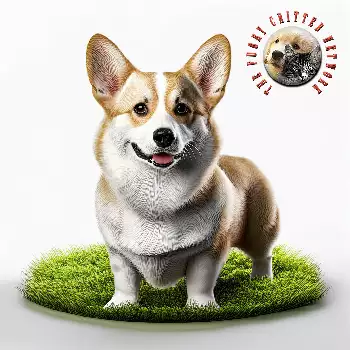

Film & Television

The Pembroke Welsh Corgi has made numerous appearances in film and television, often cast in roles that highlight the breed's charm, intelligence, and unmistakable silhouette. The breed's association with the British royal family has made it a natural choice for productions depicting royal life, and Corgis have appeared in several films and series centered on the British monarchy. These portrayals have reinforced the breed's image as a regal companion and introduced it to audiences who may have had little prior exposure to the breed.

Animated features have also embraced the Pembroke Welsh Corgi, capitalizing on the breed's expressive face and compact build to create memorable characters. The breed's proportions translate well to animation, where its short legs and large ears lend themselves to both comedic and endearing characterizations. Animated Corgis have appeared in family films and television series aimed at younger audiences, helping to cement the breed's reputation as a lovable and approachable dog in the minds of children and families.

Television has provided the Pembroke Welsh Corgi with consistent visibility beyond royal-themed productions. Corgis have appeared in sitcoms, dramas, and reality shows, sometimes as featured pets of main characters and other times as scene-stealing guest appearances. The breed's photogenic qualities and cooperative temperament make it a favorite among animal trainers and production teams. Whether cast as a loyal sidekick or a comedic foil, the Corgi consistently brings warmth and personality to the screen.

Documentary programming has also highlighted the Pembroke Welsh Corgi, particularly in the context of its royal connections and its herding heritage. Nature and breed-focused documentaries have explored the Corgi's history, working abilities, and role in contemporary culture, offering viewers a deeper understanding of the breed beyond its celebrity status. These programs often feature interviews with breeders, handlers, and historians, providing a well-rounded portrait of a breed whose media presence far exceeds its physical stature.

Literature & Art

The Pembroke Welsh Corgi has been celebrated in literature ranging from breed-specific reference works to children's books and popular fiction. Breed guides and encyclopedias have long documented the Corgi's history, temperament, and care requirements, serving as essential resources for owners and enthusiasts. Beyond reference material, the Corgi has appeared as a character in novels, short stories, and picture books, where its distinctive appearance and spirited personality make it an engaging literary subject. Children's literature in particular has embraced the breed, with several popular titles featuring Corgi protagonists on adventures that showcase their bravery and cleverness.

The breed's connection to Queen Elizabeth II has generated a substantial body of literary work exploring the relationship between the monarch and her dogs. Biographies of the Queen frequently devote significant attention to her Corgis, and several books have been written specifically about the royal dogs and their place in palace life. These works blend history, anecdote, and affection, painting a portrait of a breed that was not merely a royal accessory but a genuine source of comfort and companionship to one of the world's most prominent public figures.

In the visual arts, the Pembroke Welsh Corgi has been a popular subject for painters, illustrators, and photographers. The breed's distinctive proportions and expressive features offer rich material for artistic interpretation, and Corgi portraits appear in galleries, private collections, and commercial art. Contemporary illustrators have found particular success with Corgi-themed work, producing prints, greeting cards, and merchandise that celebrate the breed's visual appeal. The Corgi's photogenic quality has also made it a favorite subject for professional and amateur photographers alike.

The intersection of Corgi imagery and decorative arts has produced a thriving market for breed-themed merchandise. From enamel pins and tote bags to home décor and stationery, the Corgi's likeness appears on an enormous range of consumer products. This commercial embrace reflects the breed's broad cultural appeal and its status as a design motif that communicates warmth, humor, and affection. The Pembroke Welsh Corgi has become one of the most commercially represented dog breeds in the world, a distinction that speaks to its enduring visual charm.

Internet & Social Media

The Pembroke Welsh Corgi has become one of the most iconic dog breeds on the internet, achieving a level of online fame that few other breeds can match. The breed's distinctive appearance — short legs, fluffy hindquarters, large upright ears, and expressive face — makes it exceptionally photogenic and perfectly suited to the visual-first formats of social media platforms. Corgi accounts on Instagram, TikTok, and YouTube routinely attract millions of followers, and individual posts featuring Corgis frequently go viral, reaching audiences far beyond the pet community.

Corgi-specific internet phenomena have become cultural touchstones in their own right. Compilation videos of Corgis running, splashing, and playing have accumulated hundreds of millions of views across platforms. The breed has inspired countless memes, with its short-legged waddle and seemingly perpetual smile providing endless material for humorous captioning and creative editing. Corgi content has proven remarkably durable in the fast-moving world of internet trends, maintaining its appeal year after year while other viral animal phenomena fade.

Organized Corgi events have leveraged social media to build large and enthusiastic communities. Corgi meetups, beach days, and races — often featuring dozens or even hundreds of Corgis — are widely promoted and documented on social platforms, generating significant local and national media coverage. Events such as Corgi beach days in Southern California and Corgi racing events at various venues across the United States have become annual traditions, drawing large crowds of both Corgi owners and spectators. The social media documentation of these gatherings amplifies their reach and contributes to the breed's reputation as a community-building force.

The breed's internet popularity has had tangible effects on demand and ownership trends. The surge in online Corgi content has coincided with a significant increase in breed registrations and puppy inquiries, raising concerns among breed advocates about impulse purchases and the capacity of responsible breeders to meet demand. Breed clubs and rescue organizations have used social media as a platform to educate prospective owners about the realities of Corgi ownership, including exercise needs, grooming requirements, and potential health issues, working to ensure that the breed's online charm does not lead to uninformed purchasing decisions.

Advertising & Branding

The Pembroke Welsh Corgi's visual appeal and positive associations have made it a popular choice for advertising campaigns across a range of industries. The breed's friendly and approachable image aligns well with brands seeking to project warmth, reliability, and charm, and Corgis have appeared in print advertisements, television commercials, and digital marketing for products ranging from pet food and insurance to technology and automotive brands. The breed's compact size and cooperative temperament also make it practical to work with on set, a consideration that further increases its appeal to advertising professionals.

In the pet industry specifically, the Pembroke Welsh Corgi has become something of a mascot breed. Corgi imagery is widely used in branding for pet supply companies, grooming services, and veterinary practices, where the breed's universally recognizable silhouette communicates a love of animals and a sense of fun. Several pet-focused startups and subscription box services have adopted Corgi branding or featured the breed prominently in their marketing materials, capitalizing on the breed's strong social media following and the loyalty of Corgi enthusiasts as a consumer demographic.

The breed's association with the British monarchy has added a layer of prestige to its advertising value. Brands seeking to evoke tradition, quality, or British heritage have found the Corgi to be an effective visual shorthand for these qualities. This royal connection has been leveraged in marketing for luxury goods, travel services, and heritage brands, where the Corgi serves as an immediately recognizable symbol that bridges the gap between regal sophistication and everyday warmth.

Corgi-themed merchandise represents a significant commercial category in its own right. The market for Corgi-branded products — including apparel, accessories, home goods, and novelty items — has grown substantially alongside the breed's internet fame. This merchandise ecosystem extends beyond traditional pet owner demographics, attracting consumers who may not own a Corgi but who appreciate the breed's aesthetic and cultural cachet. The commercial success of Corgi-themed products illustrates how a dog breed can transcend its identity as a pet and become a lifestyle brand.

The Popularity Effect

The Pembroke Welsh Corgi's rise to cultural prominence has had far-reaching effects on the breed itself, its breeders, and the broader pet ownership landscape. The dramatic increase in demand driven by royal associations, social media fame, and media appearances has placed significant pressure on breeding programs. Responsible breeders, who prioritize health testing, temperament evaluation, and careful placement, often maintain long waiting lists, while the gap between supply and demand has unfortunately created opportunities for less scrupulous breeders and puppy mills to exploit the breed's popularity.

Breed rescue organizations have experienced the consequences of the popularity surge firsthand. As more people acquire Corgis based on their appealing online image without fully understanding the breed's exercise needs, herding instincts, and grooming requirements, some dogs inevitably end up surrendered or abandoned. Corgi rescue groups across North America and Europe have reported increased intake in recent years, and they work tirelessly to rehabilitate and rehome dogs whose owners were unprepared for the realities of the breed. These organizations play a critical role in mitigating the negative effects of popularity-driven ownership.

The popularity effect has also influenced breeding practices and priorities within the breed community. Some breeders have observed a growing emphasis on cosmetic traits favored by social media audiences — such as extreme fluffiness or unusual color patterns — at the expense of structural soundness and working ability. Breed clubs have responded by reinforcing the importance of adherence to the breed standard and encouraging breeders to prioritize health and temperament over aesthetic trends. This tension between market demand and breed integrity is a recurring challenge for any breed that experiences a sharp rise in popularity.

Despite these challenges, the Pembroke Welsh Corgi's cultural prominence has also produced significant benefits for the breed. Increased visibility has driven funding for breed-specific health research, expanded the network of knowledgeable owners and mentors, and elevated public awareness of responsible breeding and ownership practices. The breed's popularity has also brought attention to the broader issues of pet welfare, puppy sourcing, and the responsibilities of pet ownership, making the Corgi an unlikely but effective ambassador for these important conversations.

Always consult a qualified professional before making any health-related decisions. This content is provided for informational reference only and should not replace professional guidance specific to your animal.