
Film & Television

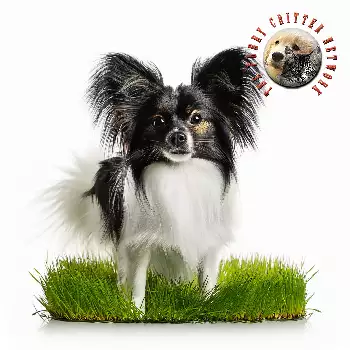
The Papillon has made memorable appearances on screen, though it has never achieved the ubiquitous film presence of breeds like the Golden Retriever or German Shepherd. Its delicate beauty and expressive face make it a natural fit for roles that call for an elegant or aristocratic companion dog. When Papillons do appear in film and television, they tend to be cast alongside characters of wealth, sophistication, or artistic temperament, reinforcing the breed's long-standing association with refinement.

One of the breed's most notable connections to cinema is through the 1973 film sharing its name, though the title refers to the butterfly tattoo of the main character rather than the dog breed. Still, the film's popularity brought the word Papillon into wider public consciousness and indirectly increased general awareness of the breed. Television appearances have been more frequent, with Papillons showing up in various series as the pampered pets of stylish characters or as scene-stealing guest animals in competition and variety shows.

The Papillon's success at major dog shows has also generated significant television exposure. When Kirby won Best in Show at Westminster in 1999, the broadcast introduced millions of viewers to the breed. The moment was replayed and discussed extensively in the media, and it remains one of the most-watched moments in the history of televised dog shows. This kind of real-world achievement often does more for breed recognition than fictional appearances, and Kirby's win is credited with a measurable spike in Papillon interest and registrations in the years that followed.

Documentary and educational programming has also featured the Papillon, particularly in shows focused on dog breeds, canine intelligence, and the history of companion animals. The breed's connection to European royalty and its storied past make it a compelling subject for historical documentaries, while its agility prowess has earned it spots in programs showcasing the athletic abilities of dogs.

Literature & Art

The Papillon's most significant cultural legacy lies not in modern media but in the visual arts of the Renaissance and Baroque periods. Continental Toy Spaniels resembling the modern Papillon appear in works by some of the greatest painters in Western art history. Titian, Rubens, Van Dyck, Rembrandt, and Goya all depicted small spaniels in their paintings, often seated on the laps of noblewomen or playing at the feet of royal children. These paintings serve as both an artistic record of the breed's development and a testament to its enduring appeal.

In literature, the Papillon appears primarily in historical accounts and breed-specific writing rather than mainstream fiction. The breed figures prominently in histories of the French and Spanish courts, and numerous biographies of European royals mention their fondness for small spaniels. The story of Marie Antoinette and her Papillon has been retold in countless books about the French Revolution, adding a poignant human dimension to the historical narrative. More recently, breed-specific guidebooks and memoirs written by Papillon owners have found enthusiastic audiences among the breed's devoted fan base.

The breed has also inspired decorative and applied arts. Papillon imagery appears on porcelain, tapestries, jewelry, and other decorative objects, particularly those produced in France and Belgium. The breed's butterfly-ear silhouette has proven especially adaptable to graphic design and logo work, and Papillon breed clubs around the world frequently incorporate the distinctive ear shape into their official emblems and publications.

Contemporary artists continue to find inspiration in the Papillon, with the breed appearing in modern paintings, illustrations, and photography collections focused on canine beauty. The Papillon's photogenic qualities and expressive face make it a popular subject for pet portrait artists, and high-quality photographs of Papillons regularly appear in breed magazines, calendars, and coffee-table books celebrating the diversity and beauty of purebred dogs.

Internet & Social Media

The Papillon has carved out a devoted niche in the world of social media and online content. While it may not generate the viral numbers of breeds like the Pomeranian or Shiba Inu, the Papillon commands a loyal and engaged online following. Dedicated breed accounts on platforms like Instagram, TikTok, and YouTube showcase the breed's beauty, intelligence, and surprisingly athletic nature, often surprising viewers who expect a toy breed to be sedentary and delicate.

Agility videos featuring Papillons have proven particularly popular online. Clips of Papillons navigating obstacle courses with speed and precision routinely accumulate hundreds of thousands of views, and these videos have done much to reshape public perception of the breed. Viewers are often astonished to see a five-pound dog weaving through poles, clearing jumps, and racing through tunnels with the intensity and focus of a Border Collie. These viral moments serve as powerful breed ambassadors, attracting new admirers who might otherwise have overlooked the Papillon.

Online breed communities and forums also play an important role in Papillon culture. Facebook groups, Reddit communities, and breed-specific forums connect Papillon owners and enthusiasts around the world, providing spaces to share advice, celebrate accomplishments, and discuss breed health and welfare. These digital communities have become essential resources for prospective owners researching the breed and for current owners seeking support and camaraderie.

The Papillon's photogenic nature has made it a favorite among pet photographers and content creators who specialize in canine subjects. The breed's large, expressive eyes, flowing coat, and distinctive ear shape photograph beautifully, and professional and amateur photographers alike frequently feature Papillons in their portfolios. This steady stream of high-quality visual content helps maintain the breed's profile in a digital landscape where striking imagery is essential for capturing attention.

Advertising & Branding

The Papillon's association with elegance and refinement has made it an occasional presence in advertising, particularly for luxury and lifestyle brands. When advertisers need a dog that conveys sophistication without overwhelming a scene, the Papillon's small size and distinctive appearance make it an appealing choice. The breed has appeared in print advertisements and commercial spots for fashion, jewelry, perfume, and home décor brands, typically positioned alongside models or in stylish interior settings.

The breed's French name and European heritage give it an inherent cachet that marketers find useful. The word Papillon itself evokes images of Parisian elegance and continental charm, and brands have occasionally leveraged this association to add a touch of European sophistication to their messaging. While no single advertising campaign has made the Papillon a household name in the way that some breeds have been elevated by commercial exposure, the breed's recurring presence in upscale advertising contributes to its image as a dog of distinction.

Papillon breed clubs and rescue organizations have also developed strong brand identities built around the breed's butterfly imagery. The silhouette of the Papillon's erect, fringed ears translates naturally into logos and graphic elements, and many breed organizations use this distinctive shape as the centerpiece of their visual branding. These efforts help maintain the breed's identity and visibility within the broader dog community.

In the pet products industry, the Papillon occasionally appears in marketing materials for premium dog food, grooming supplies, and accessories targeted at toy-breed owners. The breed's glamorous appearance and show-ring heritage make it an effective visual shorthand for quality and care, and manufacturers of high-end pet products recognize the appeal of featuring a breed that embodies both beauty and intelligence in their promotional materials.

The Popularity Effect

The Papillon's media exposure has had a generally positive effect on breed popularity, though the impact has been more gradual and sustained than the dramatic spikes experienced by breeds featured in blockbuster films. The breed's most significant moment of mainstream visibility came with Kirby's Westminster victory in 1999, which generated a noticeable increase in registrations and inquiries in the following years. Unlike some breeds that experience sudden popularity surges followed by equally rapid declines, the Papillon's rise in interest was modest enough to be absorbed by the existing community of responsible breeders.

This measured growth has been beneficial for the breed's overall health and welfare. Breeds that experience explosive popularity often suffer from overbreeding by inexperienced or unscrupulous breeders seeking to capitalize on demand, leading to increased health problems and dogs ending up in shelters. The Papillon has largely been spared this cycle, thanks in part to the breed's relatively niche appeal and the vigilance of breed clubs in promoting responsible ownership and breeding practices.

Social media has introduced a new dynamic to the popularity equation. While viral videos and popular Instagram accounts have introduced the breed to new audiences, the ongoing nature of social media content means that interest tends to build gradually rather than spiking around a single event. This pattern of slow, steady growth in awareness aligns well with the breed community's capacity to educate new owners and ensure that Papillons go to appropriate homes.

The breed's reputation for intelligence and trainability has also helped attract a particular type of owner: one who is drawn to the challenge and reward of working with a highly capable dog. This self-selecting tendency means that many people who choose a Papillon do so with realistic expectations and a genuine interest in the breed's capabilities, which contributes to positive ownership experiences and reduces the likelihood of dogs being surrendered due to unmet expectations.

Always consult a qualified professional before making any health-related decisions. This content is provided for informational reference only and should not replace professional guidance specific to your animal.