
Origins & Development

The Papillon descends from the Continental Toy Spaniel, one of the oldest toy breeds in Europe. Small spaniels resembling the modern Papillon appear in paintings and written records dating back to the thirteenth and fourteenth centuries, particularly in Italy and Spain. These diminutive dogs were initially bred as companions for noblewomen, and their refined appearance made them prized possessions among the aristocratic classes of the late medieval period.

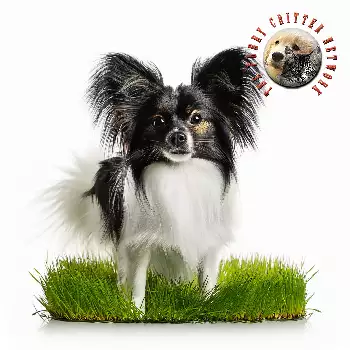
The breed's name comes from the French word for butterfly, a reference to the large, fringed ears that fan outward like butterfly wings. Originally, all Continental Toy Spaniels had drooping ears, and the erect-eared variety that would become the hallmark of the Papillon emerged gradually over centuries of selective breeding. The drop-eared variety, known as the Phalène (French for moth), remains recognized alongside the Papillon in many breed standards today.

Breeding programs in France and Belgium during the seventeenth and eighteenth centuries refined the Papillon into the dog we recognize today. Breeders selected for the distinctive ear set, fine bone structure, and the flowing silky coat that gives the breed its unmistakable elegance. By the late 1800s the erect-eared type had become dominant in show circles, and the Papillon had firmly established itself as a distinct breed rather than a mere variation of the older spaniel type.

The Papillon's journey from European courts to global recognition was gradual but steady. Breeders in England, France, and eventually the United States worked to standardize the breed, and by the early twentieth century the Papillon had earned recognition from major kennel clubs on both sides of the Atlantic. The breed's intelligence, trainability, and compact size ensured its continued popularity as both a show dog and a household companion.

Historical Roles

For most of its history, the Papillon served one primary role: cherished companion to European royalty and the upper classes. Unlike many breeds developed for herding, hunting, or guarding, the Papillon was bred almost exclusively for companionship. Its small size, gentle disposition, and striking appearance made it the ideal lapdog for queens, duchesses, and ladies of the court. These dogs lived lives of extraordinary luxury, often sleeping on silk cushions and dining on choice cuts of meat alongside their owners.

Beyond simple companionship, Papillons served a practical purpose in the drafty castles and manors of medieval and Renaissance Europe. Small dogs were commonly used as bed warmers, tucked under the covers to provide warmth during cold nights. The Papillon's affectionate nature and willingness to stay close to its owner made it particularly well suited to this role. Some historians also note that small companion dogs served as flea attractors, drawing parasites away from their human owners, though this function was shared by many toy breeds of the era.

The breed also played a subtle social role in European court life. Owning a fine Papillon was a mark of status and taste, and the dogs frequently appeared in formal portraits alongside their owners. The exchange of Papillons as gifts between royal families and noble houses was a common diplomatic gesture, and the breed became intertwined with the culture of courtly refinement. A well-bred Papillon signaled wealth, sophistication, and an appreciation for beauty.

In more recent centuries the Papillon has taken on new roles that capitalize on its keen intelligence. The breed excels in competitive obedience and agility, consistently ranking among the top toy breeds in performance events. Papillons have also found work as therapy dogs, visiting hospitals and care facilities where their small size and gentle temperament make them ideal for interacting with patients of all ages.

Cultural Symbolism

The Papillon occupies a unique place in the cultural imagination as a symbol of elegance, refinement, and aristocratic taste. For centuries the breed has been associated with the courts of Europe, and its image evokes an era of powdered wigs, grand ballrooms, and elaborate gardens. This connection to old-world sophistication has given the Papillon a cultural cachet that few other toy breeds can match.

In the visual arts, the Papillon became a recurring motif in European painting from the Renaissance onward. Artists including Titian, Rubens, and Goya depicted small spaniels closely resembling the modern Papillon in portraits of noblewomen and royal children. These paintings cemented the breed's association with beauty, grace, and the feminine ideal of the period. The dogs were not mere background details but intentional symbols of their owners' refinement and social standing.

The butterfly imagery inherent in the breed's name has also contributed to its symbolic resonance. Butterflies have long been associated with transformation, beauty, and the fleeting nature of life, and these associations transfer naturally to the breed that bears their name. In French culture especially, the Papillon carries connotations of lightness, joy, and the delicate beauty of nature.

Today the Papillon continues to symbolize sophistication in popular culture, though its image has broadened to include intelligence and athletic ability. The breed's success in agility competitions has added a new dimension to its public persona, demonstrating that elegance and capability are not mutually exclusive. This combination of beauty and brains has made the Papillon a favorite among dog enthusiasts who value both form and function.

Breed Clubs & Standards

The formal standardization of the Papillon began in the late nineteenth century as kennel clubs across Europe and North America sought to codify breed characteristics. The Fédération Cynologique Internationale, which governs breed standards for much of the world, classifies the Papillon under the Continental Toy Spaniel group alongside the Phalène. This classification reflects the shared ancestry of the erect-eared and drop-eared varieties and treats them as two expressions of the same breed rather than separate breeds.

The American Kennel Club recognized the Papillon in 1915, placing it in the Toy Group. The AKC standard emphasizes the breed's fine-boned elegance, the characteristic butterfly ears, and the long, flowing single coat. The Papillon Club of America, founded in 1935, serves as the breed's parent club in the United States and has been instrumental in promoting responsible breeding practices, health testing, and breed education. The club hosts national specialties, supports rescue efforts, and maintains a detailed breed standard that guides breeders and judges alike.

In the United Kingdom, The Kennel Club also recognizes the Papillon within the Toy Group. British breed enthusiasts have contributed significantly to the breed's development, and UK-bred Papillons have earned top honors at major international shows including Crufts. Breed clubs throughout Europe, particularly in France, Belgium, and Scandinavia, maintain active breeding programs and host specialty shows that attract exhibitors from across the continent.

Breed standards across all major registries share common ground on the Papillon's essential characteristics: a fine, elegant structure; large, well-fringed ears carried erect like butterfly wings; a long and silky coat predominantly white with patches of color; and an alert, friendly expression. While minor differences exist between standards regarding acceptable colors and proportions, the overall vision of the breed remains remarkably consistent worldwide.

The Breed Today

The Papillon enjoys steady popularity in the modern dog world, consistently ranking in the middle of AKC registration statistics. While it has never achieved the mass popularity of breeds like the Labrador Retriever or French Bulldog, the Papillon maintains a devoted following among enthusiasts who appreciate its combination of beauty, intelligence, and manageable size. The breed's relatively small but passionate community of breeders and owners helps ensure that breeding practices remain focused on health and temperament rather than market demand.

In the competitive arena, the Papillon punches well above its weight. The breed is widely regarded as the most trainable and athletically gifted of the toy breeds, and Papillons routinely compete at the highest levels of agility, obedience, and rally. A Papillon named Loteki Supernatural Being, known as Kirby, won Best in Show at the Westminster Kennel Club Dog Show in 1999, a landmark moment that brought the breed significant public attention and demonstrated the Papillon's ability to compete with much larger breeds on the biggest stage in the sport.

Health-wise, the Papillon is considered a robust and long-lived breed compared to many other toy dogs. Responsible breeders screen for conditions including patellar luxation, progressive retinal atrophy, and cardiac issues. The breed's relatively diverse gene pool and the efforts of breed clubs to promote health testing have helped maintain overall vitality. With proper care, Papillons commonly live well into their mid-teens, and some individuals reach seventeen or eighteen years of age.

The rise of urban living has been kind to the Papillon. Its small size makes it well suited to apartment life, yet its energy and intelligence mean it is far from a passive lapdog. Modern Papillon owners often describe their dogs as big dogs in small bodies, noting the breed's confidence, curiosity, and eagerness to participate in every aspect of family life. This adaptability has helped the Papillon maintain its relevance in a changing world where living spaces are shrinking but the desire for an engaging canine companion remains strong.

Notable Individuals

Perhaps the most famous Papillon owner in history was Marie Antoinette, the ill-fated Queen of France. Historical accounts describe her deep attachment to her small spaniel, which she reportedly carried with her to the guillotine during the French Revolution. While the precise breed of Marie Antoinette's dog is debated by historians, the association between the queen and the Papillon has become one of the most enduring stories in the breed's lore. The tale has been retold countless times and remains a powerful symbol of the bond between humans and their canine companions.

King Henry III of France was another notable Papillon enthusiast whose devotion to the breed bordered on the legendary. Historical records suggest that he spent enormous sums from the royal treasury on his small spaniels and was rarely seen without one tucked into a basket or carried in his arms. His passion for the dogs was so well known that it became a subject of both admiration and ridicule among members of the court.

In the modern era, the Papillon named Loteki Supernatural Being, universally known as Kirby, stands as the breed's most celebrated individual. Kirby's Best in Show victory at Westminster in 1999 was a watershed moment, proving that a toy breed could triumph at the sport's most prestigious event. He also won the World Dog Show and the Royal Invitational in Canada, making him one of the most decorated show dogs of any breed in history.

Beyond the show ring, Papillons have made their mark as therapy dogs, agility champions, and devoted personal companions to figures in the arts, politics, and entertainment. The breed's intelligence and charisma ensure that individual Papillons continue to earn recognition and admiration in a wide variety of settings, carrying forward a tradition of distinction that stretches back centuries.

Always consult a qualified professional before making any health-related decisions. This content is provided for informational reference only and should not replace professional guidance specific to your animal.