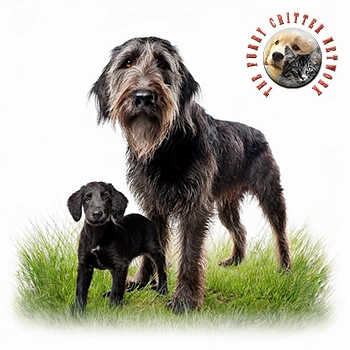

Car Travel

The Otterhound's large size makes car travel a matter of thoughtful planning rather than simply opening a door and letting the dog hop in. Most Otterhounds weigh between 80 and 115 pounds and stand over two feet tall at the shoulder, which means they require substantial cargo space. SUVs, minivans, and station wagons are generally the most practical vehicles for transporting an Otterhound, and many owners find that a dedicated cargo area with a protective liner becomes essential equipment.

Securing your Otterhound during car travel is both a safety consideration and, in many jurisdictions, a legal requirement. A crash-tested crate sized for a large hound is the safest option, though the crate dimensions needed for an Otterhound may require a vehicle with considerable cargo depth. Alternatively, a heavy-duty car harness designed for large breeds can restrain the dog while allowing some freedom of movement. Unsecured dogs in moving vehicles pose a serious risk to themselves and to human passengers in the event of a sudden stop or collision.

Otterhounds are generally good travelers once they are accustomed to the car, but their heavy double coat means they are prone to overheating in warm weather. Air conditioning should be running before the dog enters the vehicle, and owners should never leave an Otterhound unattended in a parked car, even for short periods. The breed's thick, oily coat retains heat efficiently, making them more vulnerable to heatstroke than many other breeds of similar size.

For longer road trips, plan regular stops every two to three hours to allow your Otterhound to stretch, relieve itself, and drink water. The breed's strong nose and natural curiosity mean that rest stops should always involve a secure leash, as an Otterhound that catches an interesting scent can become single-minded in its pursuit and difficult to recall.

Air Travel

Air travel with an Otterhound presents significant logistical challenges due to the breed's size. Otterhounds are far too large to travel in the cabin of any commercial airline, which means they must fly as cargo or in a dedicated pet transport compartment in the aircraft's hold. This requirement adds complexity, cost, and stress to the travel process, and many Otterhound owners choose to avoid air travel with their dogs whenever a ground alternative exists.

When air travel is unavoidable, selecting the right airline is critical. Not all airlines accept pets in cargo, and those that do have varying policies regarding crate dimensions, breed restrictions, temperature embargoes, and advance booking requirements. Owners should contact the airline's pet travel department well in advance to confirm that their Otterhound's crate meets specifications and that the dog can be accommodated on the desired flight. An IATA-compliant crate large enough for an Otterhound to stand, turn around, and lie down comfortably is mandatory.

Temperature restrictions are a particular concern for Otterhound owners. Many airlines will not transport pets in cargo when ground temperatures at the departure, arrival, or connecting airports exceed a specified threshold, typically around 85 degrees Fahrenheit. The Otterhound's heavy coat makes it especially vulnerable to heat stress, and owners should plan flights during cooler parts of the day and cooler seasons whenever possible. Direct flights are strongly preferred, as layovers increase the time the dog spends in transit and the risk of exposure to extreme temperatures on the tarmac.

Professional pet transport services can handle the logistics of air travel for large dogs, including crate selection, airline coordination, health certificate preparation, and airport pickup and delivery. While these services add to the cost, they can significantly reduce the stress and uncertainty associated with flying a large breed.

Pet-Friendly Accommodations

Finding pet-friendly accommodations for an Otterhound requires more research than it does for smaller breeds, as many hotels and vacation rentals that advertise themselves as pet-friendly impose weight limits that exclude dogs over 50 or 75 pounds. Owners should always confirm the specific pet policy before booking, including any weight or breed restrictions, additional fees, and rules about leaving dogs unattended in rooms.

National hotel chains vary widely in their pet policies, and some are notably more accommodating to large dogs than others. Independent hotels, bed-and-breakfasts, and vacation rental properties often have more flexible policies, particularly in rural or outdoor recreation areas where large sporting dogs are a common sight. Websites and apps that specialize in pet-friendly travel can simplify the search by allowing owners to filter results by pet size and weight.

When staying in a hotel or rental with an Otterhound, owners should be prepared for the breed's particular habits. Otterhounds are enthusiastic drinkers that tend to leave water trails across floors, and their oily double coat can leave residue on furniture and bedding. Bringing your own blankets or furniture covers, keeping towels handy, and placing a mat under food and water bowls can help minimize messes and protect your damage deposit.

Camping and cabin rentals are often the most natural fit for Otterhound travel, as they provide outdoor space, proximity to hiking and swimming opportunities, and a more relaxed atmosphere for a large, active dog. Many state and national parks welcome leashed dogs on campgrounds, though trail access policies vary. Checking park regulations in advance will help avoid surprises at the trailhead.

Boarding & Pet Sitting

Leaving an Otterhound behind while traveling requires careful selection of a boarding facility or pet sitter who is comfortable handling a large, active, and vocal hound. Not all boarding kennels are well-suited to the Otterhound's needs, and owners should visit potential facilities in person to evaluate the size of individual runs, the availability of outdoor exercise areas, and the staff's experience with large breeds.

Otterhounds thrive on human companionship and can become anxious or destructive when left in unfamiliar environments without adequate attention. Facilities that offer individual playtime, socialization with compatible dogs, and a consistent daily routine are preferable to those that simply provide kennel space. The breed's deep, resonant bark can also be a consideration in a boarding environment, as it may disturb other dogs and prompt complaints from neighboring properties.

In-home pet sitting is often a better option for Otterhounds, as it allows the dog to remain in familiar surroundings with its established routine largely intact. Professional pet sitters who are experienced with large breeds can provide feeding, exercise, and companionship on a schedule that mirrors the dog's normal day. Owners should provide detailed written instructions covering feeding quantities, exercise needs, any medications, and emergency contact information for their veterinarian.

For Otterhound owners who travel frequently, building a relationship with a trusted sitter or boarding facility over time is invaluable. A sitter who knows the dog's personality, quirks, and preferences can provide a much higher level of care than someone meeting the dog for the first time. Many Otterhound owners also maintain informal networks within the breed community, arranging reciprocal dog-sitting with other owners who understand the breed's unique characteristics.

Emergency Preparedness

Emergency preparedness is an essential aspect of responsible Otterhound ownership, whether at home or on the road. Natural disasters, veterinary emergencies, and unexpected evacuations can happen at any time, and having a plan in place ensures that your dog receives prompt care when it matters most. Every Otterhound owner should maintain a ready-to-go emergency kit that includes copies of vaccination records, a current photograph of the dog, a supply of any medications, a basic first aid kit, food and water for at least three days, and contact information for veterinarians in the areas where they commonly travel.

The Otterhound's size adds a practical dimension to emergency planning that smaller-dog owners may not face. Evacuating with a dog that weighs 100 pounds or more requires a vehicle large enough to accommodate the dog and its supplies alongside human passengers and their belongings. Owners should identify pet-friendly emergency shelters, hotels, and veterinary hospitals along their likely evacuation routes and keep this information accessible in both digital and printed formats.

Microchipping and up-to-date identification tags are critical for any dog, but they take on added importance for a breed as rare as the Otterhound. A lost Otterhound is unlikely to be recognized by the general public or by shelter staff unfamiliar with the breed, which can complicate reunification efforts. Ensuring that microchip registration information is current and that the dog wears a collar with legible tags at all times provides the best chance of a quick return if the dog becomes separated from its owner.

Owners who travel with their Otterhounds should also research veterinary emergency services at their destination. Knowing the location and hours of the nearest emergency veterinary hospital before an emergency occurs can save critical time. Carrying a copy of the dog's medical history, including any known allergies, chronic conditions, and current medications, allows an unfamiliar veterinarian to provide informed care without delay.

Always consult a qualified professional before making any health-related decisions. This content is provided for informational reference only and should not replace professional guidance specific to your animal.