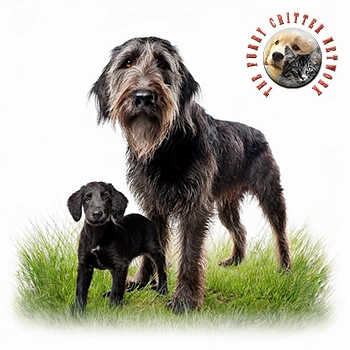

Origins & Development

The Otterhound is among the oldest of the British hound breeds, with roots stretching back to medieval England. While the exact lineage is debated, most historians believe the breed was developed by crossing various rough-coated hounds, water spaniels, and possibly the Bloodhound to produce a dog ideally suited for tracking otters through cold rivers and dense undergrowth. Written references to otter hunting with packs of specialized hounds date to at least the twelfth century, though the dogs described in those early accounts may not have been identical to the modern Otterhound.

By the eighteenth century, otter hunting had become a well-organized field sport in England and Wales, and the Otterhound had emerged as a distinct type. Packs were maintained by landed gentry and rural communities alike, and the dogs were selectively bred for stamina, scenting ability, and a dense, waterproof double coat that allowed them to work for hours in frigid streams. Their large, webbed feet gave them exceptional swimming power, and their deep, melodious voice carried across river valleys so that hunters could follow the pack by ear alone.

The breed's development was shaped almost entirely by function rather than appearance. Unlike many sporting breeds that were later refined for the show ring, the Otterhound's conformation standards grew directly out of the physical demands of its work. Dogs that could not withstand long days in the water or lacked the nose to follow a faint scent trail were simply not bred. This pragmatic approach produced a remarkably hardy and capable hound, though it also meant that early Otterhounds varied considerably in appearance from one pack to another.

Historical Roles

The Otterhound's primary historical role was, as its name suggests, the pursuit of otters. Otter hunting was not merely a pastime but served a practical purpose in rural Britain. Otters were considered serious predators of freshwater fish stocks, and controlling their population was seen as essential to protecting the livelihoods of fishermen and the interests of landowners who managed river fisheries. Packs of Otterhounds would be walked along riverbanks, working out the scent trail an otter had left during its nocturnal travels, and then pursuing the animal into the water.

A typical otter hunt could last an entire day, with the pack covering miles of river and working through thick vegetation, deep pools, and rocky shallows. The Otterhound's extraordinary endurance, powerful swimming ability, and unyielding determination made it uniquely suited to this grueling work. Handlers relied on the dogs' voices to track the progress of the hunt, as the dense riverside cover often made visual contact impossible.

Beyond otter hunting, the breed occasionally served as a general-purpose hunting hound in some regions, used to track and pursue other quarry including mink and raccoon, particularly after otter populations declined. However, these secondary roles were never as widespread or as closely associated with the breed's identity as its original purpose.

With the passage of the Hunting Act 1978 in England and Wales, which banned otter hunting in response to the otter's declining conservation status, the Otterhound lost its traditional working role almost overnight. This legislative change, while essential for otter conservation, placed the breed itself in a precarious position, as there was no longer a functional incentive to maintain breeding populations.

Cultural Symbolism

The Otterhound occupies a unique place in British cultural heritage as a living symbol of the country's rural sporting traditions. For centuries, otter hunting was woven into the social fabric of riverside communities, and the Otterhound was central to that tradition. The breed evokes a connection to a vanished way of life, one defined by close interaction with the natural landscape and a deep understanding of waterways and wildlife.

In a broader cultural sense, the Otterhound has come to represent the tension between tradition and conservation. The breed was created to serve a purpose that society eventually recognized as ecologically harmful, and its near-extinction following the ban on otter hunting illustrates how the fortunes of working breeds are inextricably linked to the activities they were bred to perform. This narrative has made the Otterhound a frequent example in discussions about breed preservation and the ethical responsibilities of the dog community.

The breed also carries a certain romantic appeal as an underdog in the canine world. Its scruffy, unkempt appearance, booming voice, and cheerful personality have earned it a devoted following among enthusiasts who value character over polish. Otterhound supporters often describe the breed as charmingly unrefined, a refreshing contrast to the more manicured breeds that dominate the show ring and popular culture.

Breed Clubs & Standards

The first formal breed standard for the Otterhound was established in England during the late nineteenth century, as the broader movement toward organized dog shows and kennel club registrations gained momentum. The Kennel Club in the United Kingdom recognized the Otterhound and published a standard that emphasized the breed's working characteristics, including its rough double coat, large webbed feet, and powerful build.

In the United States, the Otterhound was recognized by the American Kennel Club in 1909. The Otterhound Club of America, founded in 1960, has served as the breed's primary advocate in North America, working to promote responsible breeding, support health research, and educate the public about this uncommon breed. The club has played an essential role in maintaining breed numbers during periods when interest in the Otterhound has waned.

Breed clubs on both sides of the Atlantic have faced the ongoing challenge of managing an extremely small gene pool. With global population estimates sometimes falling below a thousand individuals, Otterhound breeders must balance the desire to maintain breed type with the genetic realities of working with a critically small population. Clubs have increasingly emphasized health testing, open stud book discussions, and cooperative breeding strategies to preserve genetic diversity while staying true to the breed's historical character.

The breed standard itself reflects the Otterhound's working origins. Judges are instructed to prioritize soundness, substance, and the physical traits that made the breed effective in the water, rather than cosmetic refinements. This working-dog emphasis has helped protect the breed from the exaggerated features that have affected some other hound breeds.

The Breed Today

The Otterhound is one of the rarest dog breeds in the world today. The Kennel Club in the United Kingdom has placed it on its Vulnerable Native Breeds list, a designation reserved for breeds with fewer than 300 annual puppy registrations. In many years, Otterhound registrations in the UK number fewer than fifty, making it rarer than some endangered wildlife species. The situation is similar in the United States and other countries where the breed exists.

Despite these sobering numbers, the Otterhound maintains a passionate and dedicated community of owners and breeders who are committed to the breed's survival. Modern Otterhounds are kept primarily as companion animals, though some participate in tracking trials, scent work, and other activities that allow them to use their remarkable noses. Their friendly, gregarious nature and love of outdoor activity make them well-suited to active families, though their size, vocal tendencies, and independent streak mean they are not the right fit for every household.

Conservation breeding efforts have become a central focus for Otterhound clubs worldwide. Breeders work collaboratively across national borders, sharing bloodlines and coordinating matings to maximize genetic diversity. Health screening programs have been established to identify and reduce the incidence of inherited conditions, and breed clubs actively promote the Otterhound to potential owners who can provide appropriate homes.

The breed's future remains uncertain but not without hope. Increased public awareness of rare and vulnerable breeds has brought new attention to the Otterhound, and a growing number of dog enthusiasts are drawn to its unique combination of history, character, and physical capability. Whether the breed can sustain viable numbers over the coming decades will depend largely on the continued dedication of its small but committed community of supporters.

Notable Individuals

Throughout the history of otter hunting, certain Otterhounds gained legendary reputations within the hunting community for their scenting ability, endurance, or sheer determination. Pack records from the nineteenth and early twentieth centuries occasionally singled out individual hounds that had demonstrated exceptional skill in the field, and these dogs were highly valued as breeding stock. While most of these names have faded from public memory, they remain part of the breed's oral history among dedicated enthusiasts.

In the modern era, individual Otterhounds have made their mark primarily in the show ring and in breed preservation efforts. Several Otterhounds have achieved Best in Show honors at prestigious events, bringing welcome attention to a breed that most spectators have never encountered. These victories serve a practical purpose beyond the ribbon, as they generate media coverage and public interest that can lead to new owners discovering the breed.

King John of England is sometimes cited as one of the earliest notable patrons of otter hunting, and historical records suggest that organized packs of otter-hunting hounds were maintained by the English monarchy from at least the medieval period. The position of Master of Otterhounds was once an official royal appointment, underscoring the sport's significance in English culture. While the hounds of that era differed from the modern Otterhound, this royal patronage contributed to the development and prestige of the breed type over centuries.

Today, the most notable Otterhounds are often those whose bloodlines have been carefully managed to maintain genetic diversity within the breed. Breeders and breed historians track pedigrees meticulously, and dogs that contribute healthy, genetically distinct offspring to the population are valued as cornerstones of the breed's survival.

Always consult a qualified professional before making any health-related decisions. This content is provided for informational reference only and should not replace professional guidance specific to your animal.