
Film & Television

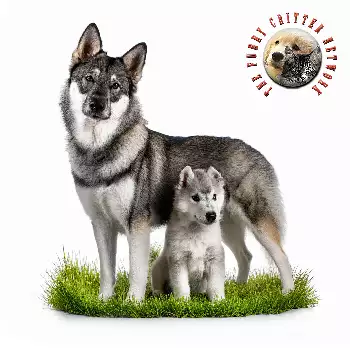
The Norwegian Elkhound has never achieved the mainstream screen recognition of breeds like the Golden Retriever or German Shepherd, but it has made memorable appearances in film and television over the decades. Its striking silver-gray coat, wolf-like silhouette, and alert expression make it a visually compelling choice for productions set in northern or wilderness environments, and casting directors have occasionally turned to the breed when a scene calls for a dog that conveys ruggedness and authenticity.

Documentary filmmakers have shown particular interest in the Norwegian Elkhound, especially in programs focused on Scandinavian wildlife, traditional hunting practices, and Viking history. Nature and culture documentaries produced by Norwegian and Swedish broadcasters have frequently featured the breed in segments about moose hunting, showcasing the Elkhound's distinctive hold-and-bay technique in dramatic mountain and forest settings. These productions have introduced the breed to international audiences who might otherwise never encounter it.

In fictional television, the Elkhound has appeared as a background or supporting character in several Scandinavian drama series, where its presence helps establish a sense of place and cultural authenticity. The breed's dignified bearing and manageable size make it a practical choice for on-set work, and trainers have noted that Elkhounds tend to be focused and responsive once acclimated to the filming environment, despite their reputation for independence.

The breed's relative rarity in mainstream Hollywood productions has, paradoxically, contributed to its mystique. When an Elkhound does appear in a major film or series, breed enthusiasts take notice and share the sighting widely on social media, generating a burst of visibility that more commonly featured breeds rarely experience. This grassroots enthusiasm has helped sustain interest in the Elkhound among dog lovers who appreciate breeds with a less commercialized public image.

Literature & Art

Norwegian Elkhounds have a rich presence in Scandinavian literature, where they appear in everything from medieval sagas to modern adventure novels. The breed's association with Viking culture and the Norwegian wilderness has made it a natural literary companion for characters who embody self-reliance, courage, and a deep connection to the land. Norwegian authors writing about rural life and hunting traditions have drawn on the Elkhound as both a literal and symbolic figure in their narratives.

In visual art, the Elkhound has been a subject for Norwegian painters and sculptors since the late nineteenth century. Artists associated with the national romantic movement in Scandinavian art frequently included Elkhounds in landscape and genre paintings that celebrated Norway's natural beauty and folk traditions. These works helped cement the breed's status as a cultural icon and contributed to the growing interest in breed preservation that emerged during the same period.

The breed has also appeared in English-language dog literature, particularly in breed-specific guides and encyclopedias that gained popularity in the mid-twentieth century. These publications introduced the Elkhound to a wider readership and often emphasized its ancient lineage and Viking connections, framing the breed as an exotic and historically significant alternative to more familiar sporting and working dogs. Children's books featuring the Elkhound have also contributed to the breed's literary presence, typically casting it as a brave and loyal adventure companion in stories set in snowy northern landscapes.

Contemporary Scandinavian artists continue to feature the Elkhound in their work, often using the breed as a symbol of environmental stewardship and the preservation of traditional relationships between humans and animals. Photography books and fine art prints depicting Elkhounds in their native mountain habitat have found a receptive audience among breed enthusiasts and collectors of Nordic-themed art.

Internet & Social Media

The Norwegian Elkhound has developed a passionate if relatively niche following on social media platforms. Breed-specific groups on Facebook, Reddit, and other community platforms serve as gathering places for Elkhound owners and admirers, who share photos, training advice, and stories about life with these spirited dogs. The subreddit dedicated to Norwegian Elkhounds, while modest in size compared to those for more popular breeds, is notable for its engaged and knowledgeable membership.

On Instagram and TikTok, individual Elkhounds have attracted followings by showcasing the breed's photogenic appearance and entertaining personality. Videos of Elkhounds howling, playing in snow, or displaying their characteristic stubbornness during training sessions tend to resonate with audiences who appreciate dogs with strong, distinctive personalities. The breed's resemblance to wolves and its connection to Viking lore also make it a popular subject for stylized photography and themed content.

Breed rescue organizations and advocacy groups have effectively used social media to raise awareness about Norwegian Elkhounds in need of rehoming. These efforts have helped connect displaced Elkhounds with knowledgeable adopters and have broadened public understanding of the breed's needs and characteristics. Online fundraising campaigns organized by these groups have also supported health research and breed-specific rescue operations across North America.

The internet has also served as a valuable educational resource for prospective Elkhound owners. Breed club websites, veterinary blogs, and owner forums provide detailed information about the breed's exercise requirements, grooming needs, and temperament, helping potential adopters make informed decisions. This accessibility of information has contributed to more responsible ownership patterns and has helped reduce the number of Elkhounds surrendered to shelters due to mismatched expectations.

Advertising & Branding

The Norwegian Elkhound's dignified appearance and strong cultural associations have made it an occasional choice for advertising and branding, particularly in Scandinavian markets. Norwegian companies in the outdoor recreation, tourism, and heritage food sectors have used the Elkhound's image to convey qualities of authenticity, durability, and connection to tradition. The breed's visual distinctiveness, with its silver-gray coat and alert, confident posture, translates well to print and digital advertising formats.

In the broader European market, the Elkhound has appeared in campaigns for outdoor clothing and equipment brands seeking to evoke the rugged appeal of the Nordic landscape. These advertisements typically feature the Elkhound in wilderness settings alongside active, adventurous human subjects, reinforcing the association between the breed and an outdoors-oriented lifestyle. While these appearances are less frequent than those of breeds like the Husky or Malamute, they carry a specificity and cultural resonance that marketers find valuable.

The breed has also been used in logo design and brand identity for small businesses with Scandinavian themes or connections. Craft breweries, artisan food producers, and outdoor outfitters have adopted stylized Elkhound imagery as part of their visual identity, drawing on the breed's heritage and aesthetic appeal to differentiate themselves in competitive markets. These branding choices tend to appeal to consumers who value tradition, craftsmanship, and a connection to northern European culture.

Despite these commercial appearances, the Norwegian Elkhound has largely avoided the overexposure that sometimes affects breeds used in high-profile advertising campaigns. This relative restraint has helped the breed maintain its reputation as a serious working dog and cultural icon rather than becoming associated primarily with consumer trends or marketing fads.

The Popularity Effect

Unlike breeds that have experienced dramatic spikes in popularity following a single high-profile media appearance, the Norwegian Elkhound's public profile has remained relatively stable over the past several decades. This stability is viewed as largely positive by breed enthusiasts, who note that sudden surges in demand often lead to irresponsible breeding practices, overwhelmed rescue organizations, and a flood of poorly socialized dogs entering the pet market. The Elkhound's steady but modest popularity has helped insulate it from many of these pressures.

The breed's media appearances, while individually modest in reach, have had a cumulative effect on public awareness. Each documentary featuring moose hunting with Elkhounds, each social media account showcasing the breed's personality, and each mention in breed guidebooks contributes to a gradual broadening of the Elkhound's audience. This slow-growth model of breed visibility tends to attract owners who have done their research and understand the breed's needs, resulting in higher retention rates and fewer dogs ending up in rescue.

Breed clubs have played an important role in managing the Elkhound's public image and moderating the effects of media exposure. By emphasizing the breed's working heritage, exercise requirements, and independent temperament in their educational materials, these organizations help set realistic expectations for prospective owners. This proactive approach to breed promotion stands in contrast to the passive acceptance of media-driven demand that has contributed to welfare problems in other breeds.

Looking forward, the Norwegian Elkhound's media presence is likely to grow incrementally as interest in Scandinavian culture, outdoor recreation, and heritage breeds continues to expand internationally. The breed's combination of ancient lineage, practical working ability, and striking appearance positions it well for sustained, responsible growth in popularity, provided that breed stewards continue to prioritize education and welfare alongside promotion.

Always consult a qualified professional before making any health-related decisions. This content is provided for informational reference only and should not replace professional guidance specific to your animal.