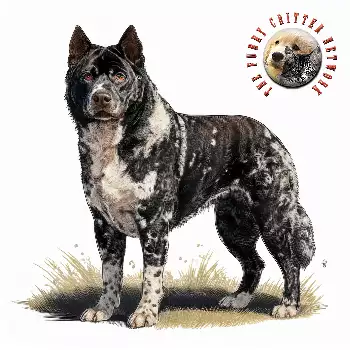

The Mudi has not achieved the kind of film and television stardom enjoyed by breeds like the German Shepherd or Golden Retriever, largely because its rarity has kept it off the radar of Hollywood casting directors. Most audiences outside of Hungary would struggle to identify a Mudi on sight, and the breed lacks the instantly recognizable silhouette that studios typically seek when casting animal roles. As a result, the Mudi's appearances in film and television have been limited primarily to Hungarian productions and European documentaries about working dogs.
In Hungarian cinema and television, the Mudi has appeared in rural dramas and agricultural documentaries that depict traditional farming life on the Great Hungarian Plain. These productions, while not widely distributed internationally, have helped reinforce the breed's identity within its home country as a symbol of pastoral heritage. The dogs are typically shown in their natural working element, managing livestock with the quiet efficiency that defines the breed.
Documentary filmmakers with an interest in rare and heritage breeds have occasionally featured the Mudi in programs exploring the diversity of the world's working dogs. These segments tend to emphasize the breed's obscurity and versatility, presenting it as a hidden gem among herding breeds. While such documentaries reach a niche audience, they have played a meaningful role in introducing the Mudi to dog enthusiasts who might otherwise never encounter the breed.
The Mudi's growing presence in competitive dog sports has also led to increased visibility in televised and streamed sporting events. Agility competitions broadcast online and on specialty channels have showcased Mudis competing against far more common breeds, and their impressive performances have generated curiosity among viewers. These appearances, though not scripted entertainment, have arguably done more for the breed's public profile than any fictional role.