
Film & Television

The Miniature Pinscher has made a number of appearances in film and television, though it has not achieved the same level of screen dominance as some larger or more widely recognized breeds. When Min Pins do appear on screen, they are typically cast in roles that capitalize on their alert expressions, energetic movement, and compact size. Their natural confidence in front of cameras and responsiveness to handler direction make them well-suited to the demands of on-set work.

In various television comedies and dramas, Miniature Pinschers have appeared as the pets of characters who are portrayed as fashionable, particular, or spirited, mirroring the breed's own personality traits. These casting choices reinforce the cultural perception of the Min Pin as a dog with attitude and style. The breed's distinctive appearance, with its sleek coat, erect ears, and animated gait, translates well to the screen and makes it immediately identifiable even in brief appearances.

The Min Pin has also appeared in several made-for-television movies and family films, often in supporting roles alongside child characters. In these contexts, the breed's playful energy and small size make it an appealing and non-threatening screen companion. Trainers who have worked with Miniature Pinschers in film production have noted that the breed's intelligence and food motivation make it relatively easy to train for specific behaviors, though its independent streak can require patience and creative problem-solving.

Documentary and reality television programming focused on dog breeds, dog shows, and pet ownership has featured the Miniature Pinscher with some regularity. Breed-specific segments on popular dog-themed shows have introduced millions of viewers to the Min Pin's history, characteristics, and care requirements, helping to educate potential owners about what to expect from this dynamic little breed.

Literature & Art

The Miniature Pinscher's presence in literature and art stretches back several centuries, reflecting its long history as a companion and working dog in European culture. Small pinscher-type dogs appear in German and Dutch paintings from the 17th and 18th centuries, depicted alongside their owners in domestic scenes or shown independently in studies of animal form. These artistic representations provide valuable historical evidence of the breed's early appearance and its place in everyday life.

In breed-specific literature, the Miniature Pinscher has been the subject of numerous books and guides aimed at prospective and current owners. These publications cover the breed's history, temperament, training needs, and health considerations. Several well-regarded breed historians have documented the Min Pin's development from farmyard ratter to show ring competitor, preserving important details about the breed's evolution that might otherwise be lost.

The breed has also appeared in children's literature, where its small size and big personality make it a natural candidate for stories about courage, determination, and the value of not judging by appearances alone. These narratives often draw on the Min Pin's real-world reputation for fearlessness and self-confidence, translating these qualities into engaging tales for young readers.

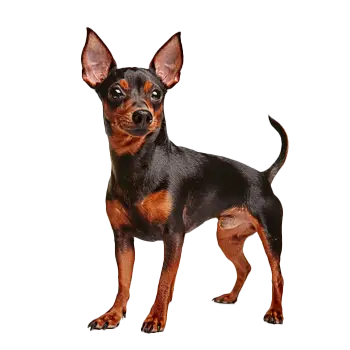
Contemporary artists and illustrators have embraced the Miniature Pinscher as a subject, drawn to the breed's clean lines, expressive features, and dynamic posture. Min Pins appear in everything from fine art prints and watercolors to graphic designs and merchandise illustrations. The breed's distinctive silhouette, with its erect ears, tapered muzzle, and high-set tail, lends itself well to stylized artistic interpretation.

Internet & Social Media

The Miniature Pinscher has carved out a significant niche in the world of internet culture and social media. The breed's expressive face, theatrical body language, and boundless energy produce the kind of visually engaging content that performs well on platforms built around short videos and photography. Min Pin owners have created popular accounts on major social media platforms, sharing clips of their dogs performing tricks, reacting dramatically to everyday situations, and displaying the breed's signature sassiness.

The Min Pin's tendency toward exaggerated reactions and vocal commentary has made it a favorite subject for humorous pet content. Videos of Miniature Pinschers barking at objects many times their size, performing their distinctive high-stepping walk, or engaging in animated play sessions regularly attract large viewership numbers. The breed's combination of tiny stature and enormous confidence creates a natural comedic contrast that resonates with audiences.

Online communities dedicated to the Miniature Pinscher thrive on social media platforms and breed-specific forums. These communities serve as gathering places for owners to share advice, post photographs, discuss health and training topics, and celebrate the unique qualities of their dogs. Many of these groups have grown to include thousands of members, reflecting the breed's dedicated and passionate following.

The internet has also become an important platform for Miniature Pinscher rescue and adoption efforts. Rescue organizations use social media to showcase available dogs, share success stories, and raise awareness about the breed's needs. This digital outreach has helped connect displaced Min Pins with new homes and has educated the public about the realities of owning this high-energy, high-personality breed.

Advertising & Branding

The Miniature Pinscher's sleek appearance and confident demeanor have occasionally attracted the attention of advertisers and brand marketers. The breed's polished look and animated personality project qualities of sophistication, energy, and distinctiveness, attributes that align well with certain brand identities. Min Pins have appeared in print advertisements, promotional materials, and marketing campaigns for products ranging from pet supplies to lifestyle brands.

In the pet industry specifically, the Miniature Pinscher is frequently featured in product packaging, advertisements, and promotional imagery for items targeted at small-breed owners. Food brands, accessory companies, and grooming product manufacturers have used Min Pin imagery to appeal to the dedicated small-dog market segment. The breed's photogenic qualities and recognizable silhouette make it an effective visual ambassador for these products.

The breed's association with style and confidence has also led to its occasional use in fashion and luxury marketing contexts. The image of a well-groomed Miniature Pinscher accompanying a fashionably dressed owner communicates a specific lifestyle message that some brands have leveraged in their visual storytelling. This usage reflects and reinforces the cultural perception of the Min Pin as a breed chosen by discerning owners with an eye for aesthetics.

Despite these appearances, the Miniature Pinscher has not become a ubiquitous advertising mascot in the way that some other breeds have. Its relatively niche popularity compared to breeds like the Labrador Retriever or Golden Retriever means that advertisers seeking the broadest possible appeal typically look elsewhere. For the Min Pin, advertising appearances tend to be targeted and strategic, aimed at audiences already familiar with and favorable toward the breed.

The Popularity Effect

Media exposure has played a measurable role in shaping public awareness and demand for the Miniature Pinscher over the decades. When the breed receives positive attention through television appearances, social media trends, or celebrity ownership, breeders and rescue organizations typically report an uptick in inquiries. This pattern mirrors the broader phenomenon observed across many dog breeds, where media visibility directly influences consumer interest and adoption rates.

The popularity effect has brought both benefits and challenges to the Miniature Pinscher community. Increased visibility has helped educate the public about the breed's qualities and has expanded the pool of potential owners. However, it has also attracted buyers who may be drawn to the breed's appearance without fully understanding its temperament and care requirements. The Min Pin's strong-willed nature, high energy level, and tendency toward vocalization can catch unprepared owners off guard, sometimes resulting in dogs being surrendered to shelters or rescues.

Breed advocates and responsible breeders have worked to counterbalance the popularity effect by emphasizing education and honest communication about the breed's characteristics. Breed clubs and online communities regularly publish materials that describe the Miniature Pinscher's exercise needs, training challenges, and socialization requirements alongside its many appealing qualities. This proactive approach aims to ensure that new owners enter the relationship with realistic expectations.

The social media era has added a new dimension to the popularity effect. While viral Min Pin content can generate sudden spikes in interest, the ongoing presence of breed-specific communities online provides a more sustained and nuanced form of exposure. Prospective owners who discover the breed through a viral video can then find their way to educational resources and experienced owner communities, creating a more informed path to ownership than a single media appearance might provide on its own.

Always consult a qualified professional before making any health-related decisions. This content is provided for informational reference only and should not replace professional guidance specific to your animal.