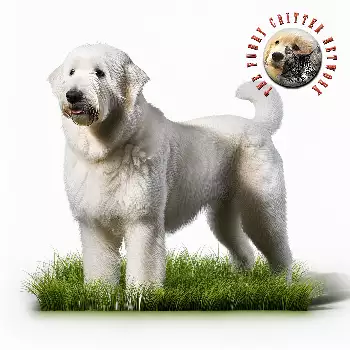

Origins & Development

The Kuvasz is one of the oldest and most storied livestock guardian breeds, with roots that trace back thousands of years to the steppes of Central Asia. Ancestors of the modern Kuvasz likely traveled westward with migrating Turkic and Magyar peoples, eventually settling in the Carpathian Basin during the great migration period. The breed's name is widely believed to derive from the Turkish word "kavas" or "kawasz," meaning armed guard, reflecting its longstanding role as a protector of flocks and families.

By the time the Magyar tribes established the Kingdom of Hungary in the late ninth and early tenth centuries, dogs closely resembling the Kuvasz were already well established across the region. Archaeological evidence and early written records describe large, white guardian dogs kept by shepherds in the Hungarian countryside. These dogs were prized for their fearlessness, intelligence, and unwavering devotion to their charges, qualities that would define the breed for centuries to come.

The geographic isolation of the Carpathian region helped preserve the Kuvasz's distinctive characteristics over many generations. Unlike breeds that were frequently crossbred for new purposes, the Kuvasz remained relatively unchanged due to the practical demands of livestock guardianship. Shepherds selected for dogs that could independently assess threats, patrol vast territories, and withstand harsh mountain winters. This long period of natural and selective refinement produced the powerful, elegant dog recognized today.

The development of the modern Kuvasz as a standardized breed began in the late nineteenth century, when Hungarian cynologists took an interest in preserving the country's native dog breeds. Early breed enthusiasts worked to distinguish the Kuvasz from similar white guardian breeds found throughout Europe and to establish consistent type. Their efforts laid the groundwork for formal breed recognition and the breeding programs that would carry the Kuvasz into the twentieth century.

Historical Roles

The primary historical role of the Kuvasz was that of a livestock guardian, a duty it performed across the Hungarian plains and Carpathian highlands for centuries. Kuvasz dogs worked alongside shepherds to protect flocks of sheep, herds of cattle, and even horses from predators such as wolves, bears, and human thieves. Unlike herding dogs that actively move livestock, the Kuvasz operated as a sentinel, patrolling the perimeter of the flock and confronting threats with formidable courage and physical strength.

Beyond pastoral work, the Kuvasz gained remarkable prestige as a guardian of Hungarian royalty. King Matthias Corvinus, who reigned from 1458 to 1490, is perhaps the most famous patron of the breed. Historical accounts describe Corvinus as keeping a large kennel of Kuvasz dogs at his royal estate, trusting them above his own courtiers for personal protection. The king reportedly gave Kuvasz puppies as prized gifts to visiting dignitaries and nobles, elevating the breed's status from working farm dog to a symbol of loyalty and power.

During times of conflict, the Kuvasz also served in quasi-military roles. Their imposing size and territorial instincts made them effective estate guardians during periods of political upheaval in Hungary. Noble families relied on Kuvasz dogs to patrol castle grounds and alert households to intruders. This dual identity as both a humble shepherd's companion and a noble guardian gave the Kuvasz a unique place in Hungarian society that transcended class boundaries.

In rural communities, the Kuvasz also played a role in large-game hunting. While not a dedicated hunting breed, its strength, endurance, and bravery made it useful for pursuing wild boar and other large game in the forests of Hungary. This versatility further cemented the Kuvasz's reputation as a dog of exceptional utility and character.

Cultural Symbolism

In Hungarian culture, the Kuvasz has long symbolized unwavering loyalty, courage, and independence. The breed occupies a special place in the national consciousness, often invoked as a metaphor for steadfastness and protective devotion. Hungarian proverbs and folk expressions occasionally reference the Kuvasz when describing a person of unshakeable character, and the breed is considered one of Hungary's national treasures alongside the Vizsla, Puli, and Komondor.

The Kuvasz's brilliant white coat has also carried symbolic weight throughout history. White was traditionally associated with purity and nobility in Hungarian culture, and the Kuvasz's striking appearance reinforced its association with the aristocracy. Practically, the white coat also served a functional purpose, allowing shepherds to distinguish their guardian dogs from dark-coated predators at night, but the aesthetic appeal of the gleaming white dog added to its cultural mystique.

The breed's association with King Matthias Corvinus has become a cornerstone of Kuvasz identity. This royal connection is frequently cited in breed literature and has contributed to a romantic narrative of the Kuvasz as a dog worthy of kings. The story of Corvinus trusting his Kuvasz above his own court has been retold for generations, reinforcing the breed's reputation as the ultimate symbol of canine fidelity.

In the broader European context, the Kuvasz represents a tradition of livestock guardianship that is shared across many cultures but takes on a distinctly Hungarian flavor. The breed is celebrated at Hungarian cultural festivals and dog shows as an embodiment of the country's pastoral heritage and its deep historical connection to animal husbandry.

Breed Clubs & Standards

The formal standardization of the Kuvasz began in the late nineteenth and early twentieth centuries, as Hungarian dog fanciers sought to preserve the breed's characteristics amid rapid industrialization and changing agricultural practices. Count d'Esterházy and other Hungarian aristocrats played key roles in organizing early breeding efforts and promoting the Kuvasz at European dog shows. The first breed standard was developed in Hungary and emphasized the Kuvasz's large, well-proportioned frame, dense white coat, and noble expression.

The Fédération Cynologique Internationale recognized the Kuvasz under Hungary's patronage, and the breed standard maintained by the FCI reflects the Hungarian ideal of the breed. The standard describes a dog of considerable size and strength, with a wedge-shaped head, dark almond-shaped eyes, and a characteristic wavy to straight white coat. Temperament is also addressed, with the standard noting the breed's bold, courageous, and loyal nature alongside its independence and intelligence.

In the United States, the Kuvasz Club of America serves as the parent breed club under the American Kennel Club, which granted full recognition to the Kuvasz in 1931. The KCA has been instrumental in promoting responsible breeding practices, health testing, and breed education in North America. The club hosts specialty shows, supports rescue efforts, and maintains a code of ethics for breeders. The AKC standard for the Kuvasz closely mirrors the FCI standard, with minor regional variations.

Other national kennel clubs around the world, including the Canadian Kennel Club and the Kennel Club in the United Kingdom, also recognize the Kuvasz. While the breed remains relatively rare compared to more popular guardian breeds, dedicated breed clubs in multiple countries work to maintain the Kuvasz's genetic health and breed type. These organizations emphasize the importance of preserving the breed's working temperament alongside its physical characteristics.

The Breed Today

The Kuvasz remains a relatively uncommon breed worldwide, but it enjoys a dedicated and passionate following among owners who appreciate its unique combination of independence, loyalty, and protective instinct. In its homeland of Hungary, the Kuvasz continues to be revered as a national breed, though its numbers are modest compared to more commercially popular breeds. Hungarian breeders maintain a strong emphasis on preserving the breed's working heritage and temperament.

In North America, the Kuvasz has a small but devoted community of breeders and owners. The breed typically ranks in the lower half of AKC registration statistics, which many breed enthusiasts view as a positive indicator that the Kuvasz has not been subjected to the overbreeding and commercialization that can accompany extreme popularity. Responsible breeders focus on health testing, temperament evaluation, and maintaining the breed's functional characteristics.

Modern Kuvasz owners keep the breed in a variety of roles. Some continue the traditional practice of using Kuvasz dogs as livestock guardians on farms and ranches, where the breed's instincts and abilities remain highly effective. Others keep them as family companions and property guardians, roles in which the Kuvasz excels when properly socialized and trained. The breed's intelligence and independent nature require experienced ownership, and breed clubs emphasize that the Kuvasz is not a breed for first-time dog owners.

Health concerns in the modern Kuvasz include hip dysplasia, osteochondritis dissecans, and certain autoimmune conditions. Breed clubs and health registries work to track these issues and encourage health testing among breeding stock. The relatively small gene pool of the Kuvasz makes genetic diversity a priority for responsible breeders, and international cooperation between breed clubs helps broaden the available breeding population.

Notable Individuals

The most historically significant Kuvasz dogs are those associated with King Matthias Corvinus of Hungary. While individual names from Corvinus's kennel have not been reliably preserved in historical records, the collective legacy of his Kuvasz pack has shaped the breed's identity for over five centuries. These dogs were reportedly so trusted by the king that they accompanied him everywhere, and their loyalty became the standard against which all Kuvasz temperament would be measured.

In the twentieth century, several Kuvasz dogs gained recognition through their contributions to breed preservation following the devastation of World War II. The breed was nearly driven to extinction during the war, as occupying forces and food shortages decimated the Kuvasz population in Hungary. A handful of surviving dogs and the dedication of breeders in Hungary and abroad were responsible for rebuilding the breed from an alarmingly small genetic base. These foundation dogs, though not widely known by name outside breed circles, are heroes of Kuvasz history.

In the world of competitive dog showing, notable Kuvasz have earned top honors at major international events, helping to raise the breed's profile among the broader dog-fancy community. American-bred Kuvasz have achieved Best in Group placements at prestigious shows, demonstrating the breed's beauty and presence in the show ring. These achievements have been important for breed visibility and for attracting responsible new owners to the breed.

Several working Kuvasz have also gained attention for their remarkable effectiveness as livestock guardians in modern agricultural settings. Stories of Kuvasz dogs successfully defending flocks against coyotes, mountain lions, and other predators have been featured in agricultural publications and breed newsletters, reinforcing the breed's continued relevance as a working dog in the twenty-first century.

Always consult a qualified professional before making any health-related decisions. This content is provided for informational reference only and should not replace professional guidance specific to your animal.