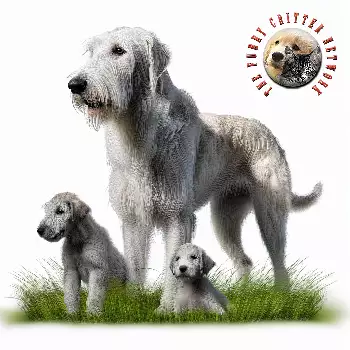

Traveling by car with an Irish Wolfhound requires thoughtful preparation due to the breed's extraordinary size. Standard crates and vehicle barriers designed for large breeds are often inadequate for a dog that can stand over 32 inches at the shoulder and weigh 150 pounds or more. Many Wolfhound owners find that SUVs, minivans, or station wagons with flat-folding rear seats provide the best combination of space and safety. The cargo area of these vehicles can be outfitted with a padded mat or orthopedic bed to protect the dog's joints during transit.
Crate training remains the safest option for car travel whenever vehicle size permits. Giant-breed crates rated for dogs in the 120-to-200-pound range are available from specialty manufacturers, though they may require measurement and advance ordering. If a crate is not feasible, a crash-tested vehicle harness designed for extra-large dogs provides a reasonable alternative. Standard seat-belt attachments intended for smaller breeds should not be relied upon, as they may not withstand the forces generated by a dog of this size in a collision.
Frequent rest stops are essential when traveling long distances with an Irish Wolfhound. Giant breeds benefit from the opportunity to stretch, walk, and relieve themselves at least every two to three hours. Owners should plan routes that include safe, grassy areas for exercise and always carry a supply of fresh water and a portable bowl. Avoid feeding a large meal immediately before or during travel, as giant breeds are particularly susceptible to bloat, a life-threatening condition that can be triggered by stress and activity around mealtimes.
Temperature management deserves careful attention. Irish Wolfhounds can overheat quickly in warm vehicles, and their size makes it difficult for vehicle air conditioning to reach them effectively in the rear cargo area. Never leave an Irish Wolfhound unattended in a parked vehicle, even in moderate temperatures. On warm days, consider using cooling mats, ensuring adequate ventilation, and scheduling travel during cooler morning or evening hours.