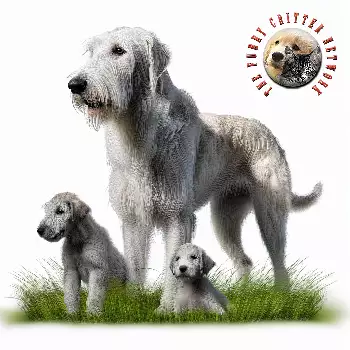

Origins & Development

The Irish Wolfhound is one of the oldest known dog breeds, with roots stretching back thousands of years to the ancient Celtic civilizations of Ireland. Archaeological evidence and early Irish literature suggest that large, rough-coated sighthounds were present on the island as far back as 7000 BCE, though the breed as it is recognized today took shape over many subsequent centuries. These dogs were selectively bred for size, speed, and the courage needed to hunt wolves, elk, and wild boar across the rugged Irish landscape.

The earliest written references to Irish Wolfhounds appear in Roman records dating to 391 CE, when the Roman consul Quintus Aurelius Symmachus acknowledged a gift of seven of these imposing hounds and described the astonishment they caused in Rome. Throughout the medieval period, Irish chieftains and nobility prized these dogs as both hunters and status symbols. Their value was immense — laws of the time regulated their ownership, and they were frequently exchanged as diplomatic gifts between royal houses across Europe.

By the late 18th century, the breed had fallen into severe decline. The eradication of wolves from Ireland removed their primary working purpose, and political upheaval and famine further diminished their numbers. The Irish Wolfhound came perilously close to extinction before a dedicated revival effort began in the mid-1800s, led most prominently by Captain George Augustus Graham. Drawing on the few remaining dogs and carefully introducing bloodlines from Scottish Deerhounds, Great Danes, and other large breeds, Graham painstakingly rebuilt the Irish Wolfhound population and established a consistent breed standard.

Graham's work spanned decades and required extraordinary patience and commitment. He sought out every surviving dog that could be traced to authentic Wolfhound lineage and corresponded with breeders across the British Isles to ensure genetic diversity. By the 1880s, the breed had stabilized sufficiently for the Kennel Club in England to grant it formal recognition. The Irish Wolfhound as it exists today is largely a product of Graham's vision and tenacity, shaped by his conviction that such an iconic breed deserved preservation.

Historical Roles

The primary historical role of the Irish Wolfhound was the hunting of wolves, a function so central to the breed's identity that it gave the dog its name. In ancient and medieval Ireland, wolf populations posed a genuine threat to livestock and communities. Wolfhounds were bred to possess the size, speed, and fearlessness necessary to pursue and bring down these predators. Hunting with Wolfhounds was often a communal affair organized by local chieftains, combining practical pest control with displays of aristocratic power.

Beyond wolf hunting, these dogs were deployed against other large game including the now-extinct Irish elk, wild boar, and deer. Their combination of keen sight and extraordinary endurance made them formidable coursing hounds over Ireland's open terrain. In warfare, Wolfhounds served alongside Celtic warriors, used to unseat horsemen and intimidate enemy forces on the battlefield. Irish legends recount their ferocity in combat alongside their unwavering loyalty to their handlers.

Irish Wolfhounds also served a deeply symbolic role within Gaelic society. Ownership of these dogs was restricted by law to kings and nobles, and the number a person could keep was often dictated by social rank. They were given as tribute, offered as ransom, and presented as gifts to cement alliances. The cultural weight attached to these dogs extended beyond their physical utility — they represented honor, generosity, and martial prowess.

As wolves disappeared from Ireland in the 17th and 18th centuries, the Wolfhound's working role diminished, and the breed transitioned gradually from hunter and guardian to companion and living symbol of Irish heritage. This shift from functional working dog to cultural icon is central to understanding the breed's near-extinction and subsequent revival.

Cultural Symbolism

The Irish Wolfhound occupies a singular place in Irish cultural identity. It appears in countless legends, poems, and songs, often symbolizing loyalty, bravery, and the ancient Gaelic spirit. The most famous of these stories is the tale of Gelert, a faithful hound wrongly slain by his master — though the story is more commonly associated with Wales, variations featuring Irish Wolfhounds have circulated for centuries and reflect the deep emotional bond between the breed and its people.

In Irish heraldry and national symbolism, the Wolfhound is ubiquitous. It appears on coats of arms, military insignia, and official emblems throughout the Republic of Ireland. The breed serves as the mascot of the Irish Guards regiment of the British Army, where a living Wolfhound has led ceremonial parades since the regiment's founding in 1900. This tradition underscores the breed's association with courage, nobility, and Irish national pride.

The Wolfhound has also become a powerful emblem of resilience. Its near-extinction and subsequent rescue mirror Ireland's own turbulent history of colonization, famine, and cultural revival. For many, the breed's survival is a metaphor for the endurance of Irish identity itself. This symbolic resonance has helped sustain public interest in the breed well beyond what its relatively small population might otherwise support.

Artists, sculptors, and poets have drawn on the Irish Wolfhound's image for centuries. Stone carvings of tall, lean hounds adorn medieval Irish crosses and castle ruins. In the modern era, the breed continues to inspire visual art, literature, and public monuments, ensuring its place not only in kennels and homes but in the broader cultural imagination of Ireland and its diaspora.

Breed Clubs & Standards

The formal organization of Irish Wolfhound breeding began in earnest with the founding of the Irish Wolfhound Club in 1885, one of the oldest breed-specific clubs in the world. Captain George Augustus Graham was instrumental in its establishment, and the club's early mission centered on codifying a breed standard that would guide responsible breeding and preserve the Wolfhound's distinctive characteristics. That original standard, with refinements over the decades, remains the foundation of breed evaluation worldwide.

The breed standard describes the Irish Wolfhound as the tallest of all dog breeds, emphasizing a combination of great size and commanding presence with graceful, athletic movement. The ideal dog should convey power without coarseness and speed without frailty. The rough, wiry coat, deep chest, and long, muscular limbs are all specified, along with temperament traits such as gentleness, dignity, and quiet courage. Judges evaluate dogs against this standard in conformation shows, rewarding those that best embody the breed's historical character.

Today, breed clubs operate in numerous countries including the United States, the United Kingdom, Ireland, Germany, and Australia. The Irish Wolfhound Club of America, founded in 1927, is among the most active and maintains extensive health registries, educational resources, and rescue networks. These clubs collaborate internationally to address shared concerns such as genetic diversity, health testing protocols, and ethical breeding practices.

The breed is recognized by all major kennel clubs worldwide, including the American Kennel Club, The Kennel Club (UK), the Fédération Cynologique Internationale, and the Irish Kennel Club. Each organization places the Irish Wolfhound in its sighthound or hound group, reflecting the breed's coursing heritage. Breed clubs continue to play a vital role in mentoring new owners, supporting rescue efforts, and funding health research specific to the breed's unique challenges.

The Breed Today

The modern Irish Wolfhound is primarily a companion animal, cherished for its gentle temperament, dignified bearing, and remarkable bond with its human family. Despite its imposing size — males routinely stand over 32 inches at the shoulder and can weigh upward of 140 pounds — the breed is known for its calm and affectionate nature indoors. Wolfhound owners frequently describe their dogs as gentle giants who are happiest when close to their people.

The breed's popularity has grown steadily since its revival, though it remains relatively uncommon compared to smaller, more easily managed breeds. The practical demands of owning a giant breed — space requirements, food costs, and shorter average lifespans — naturally limit the Wolfhound's appeal to dedicated enthusiasts. Responsible breeders emphasize health testing and careful placement, aware that the breed's size and sensitivity require knowledgeable, committed owners.

Health remains the most significant concern in the breed today. Irish Wolfhounds are predisposed to several serious conditions including dilated cardiomyopathy, osteosarcoma, bloat, and liver shunt. Average lifespan hovers between six and ten years, shorter than most breeds. Breed clubs and veterinary researchers are actively working to extend longevity through genetic screening, dietary research, and ongoing health surveys that track outcomes across large populations.

The Irish Wolfhound's participation in dog sports has expanded in recent years. While conformation showing remains popular, many owners now pursue lure coursing, agility, and even therapy dog work with their Wolfhounds. The breed's calm disposition and impressive appearance make it a natural fit for therapy and educational outreach, and a growing number of Wolfhounds serve as certified therapy animals in hospitals, schools, and care facilities.

Notable Individuals

Throughout history, individual Irish Wolfhounds have captured public attention and contributed to the breed's enduring fame. Among the most celebrated is Donoghue's Doagh, one of Captain Graham's foundation dogs during the revival effort. Doagh's lineage can be traced through many of the breed's most influential pedigrees, and his contribution to reestablishing the Wolfhound's type and temperament cannot be overstated.

In the military sphere, the mascot Wolfhounds of the Irish Guards have become beloved public figures in their own right. Each successive mascot carries the name of a famous Irish Wolfhound or a Gaelic title, and they appear in full regalia at state ceremonies, trooping parades, and public events. These dogs serve as living ambassadors for both the regiment and the breed, drawing widespread media coverage and public affection.

The world of competitive dog showing has produced its own Wolfhound celebrities. Several Irish Wolfhounds have achieved the ultimate honor of Best in Show at prestigious events such as the Westminster Kennel Club Dog Show and Crufts. These victories bring enormous visibility to the breed and often inspire a new generation of enthusiasts and breeders.

Beyond the show ring and the parade ground, individual Wolfhounds have gained recognition as therapy dogs, social media personalities, and community ambassadors. Their striking appearance and gentle nature make them natural conversation starters, and many owners report that a walk with an Irish Wolfhound invariably draws curious onlookers. This visibility helps sustain awareness of the breed's history, its health challenges, and the importance of responsible ownership and breeding practices.

Always consult a qualified professional before making any health-related decisions. This content is provided for informational reference only and should not replace professional guidance specific to your animal.