
Film & Television

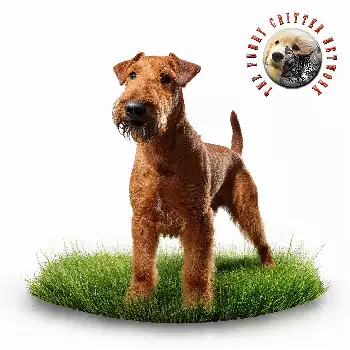
The Irish Terrier's striking red coat and expressive face have made it a natural candidate for on-screen appearances, though the breed has never achieved the ubiquity of some larger or more widely recognized breeds in Hollywood. When Irish Terriers do appear in film and television, they tend to be cast in roles that emphasize their pluck and loyalty — qualities that align perfectly with the breed's real-world personality. Their alert posture and keen expression translate well to the camera, giving them a screen presence that belies their modest size.

One of the breed's most notable film appearances came in the 1934 adaptation of the Jack London novel, where an Irish Terrier played a central canine role. The film introduced the breed to audiences who may have been unfamiliar with it, and the dog's performance was praised for its natural energy and charm. While the film did not launch an Irish Terrier craze on the scale seen with some other breeds, it helped establish the breed's credentials as a capable and charismatic screen performer.

In television, Irish Terriers have appeared in various roles over the decades, from family sitcoms to period dramas set in the British Isles. Their wiry red coats and distinctive silhouette make them visually memorable, and their willingness to work with trainers has earned them a reputation as cooperative and intelligent performers. Despite these qualities, the breed's relative rarity means that casting directors often default to more common terrier breeds, limiting the Irish Terrier's on-screen opportunities.

The breed's cinematic legacy, while modest, reflects a broader truth about the Irish Terrier: it tends to make a strong impression on those who encounter it, even if it never becomes a mainstream sensation. For fans of the breed, every film or television appearance is a welcome reminder of the Irish Terrier's unique appeal.

Literature & Art

The Irish Terrier has enjoyed a more prominent presence in literature than in film, owing in part to the breed's long association with Irish writers and storytellers. Jack London featured the breed prominently in his 1917 novel about a dog born aboard a ship in the South Pacific, giving the Irish Terrier one of its most enduring literary roles. The novel showcased the breed's intelligence, loyalty, and adventurous spirit, and it remains a touchstone for Irish Terrier enthusiasts to this day.

Beyond London's work, the Irish Terrier has appeared in various works of fiction and non-fiction throughout the twentieth century. British and Irish authors have drawn on the breed's distinctive personality when crafting canine characters, often emphasizing the Irish Terrier's combination of fierce independence and deep devotion to its owner. The breed has also been featured in children's literature, where its lively temperament and handsome appearance make it an appealing character for young readers.

In the visual arts, the Irish Terrier has been a popular subject for painters and illustrators, particularly during the late Victorian and Edwardian periods when the breed was at the height of its popularity. Artists such as Arthur Wardle and Maud Earl included Irish Terriers in their celebrated dog portraits, capturing the breed's alert expression and elegant lines with remarkable fidelity. These paintings remain highly collectible and serve as important historical records of the breed's appearance during its formative years.

The breed has also appeared on stamps, postcards, and decorative objects, particularly in Ireland, where it is celebrated as a national breed. These artistic representations have helped sustain public awareness of the Irish Terrier even during periods when the breed's population was in decline, serving as visual reminders of its beauty and heritage.

Internet & Social Media

The rise of social media has given the Irish Terrier a new platform for reaching audiences around the world. Breed-specific accounts on platforms like Instagram and Facebook have cultivated dedicated followings, with owners sharing photos and videos that highlight the breed's playful antics, striking appearance, and affectionate nature. These accounts often serve as informal ambassadors for the breed, introducing it to people who might never encounter an Irish Terrier in their daily lives.

Online communities dedicated to the Irish Terrier have also flourished, providing spaces where owners, breeders, and enthusiasts can share information, seek advice, and celebrate their dogs. Forums, Facebook groups, and breed-specific websites host discussions on topics ranging from grooming techniques and health concerns to training tips and breed history. These digital communities have proven especially valuable for owners in regions where the breed is rare, offering a sense of connection and support that might otherwise be difficult to find.

The Irish Terrier has not produced the kind of viral internet celebrity enjoyed by some breeds, but individual dogs have attracted attention through compelling rescue stories, impressive trick performances, and the sheer force of their personalities. Videos of Irish Terriers demonstrating their characteristic fearlessness — whether confronting a garden hose, investigating an unfamiliar object, or simply strutting through a park with unmistakable confidence — tend to resonate with viewers who appreciate the breed's unique charm.

Breed rescue organizations have also leveraged social media effectively, using platforms to publicize dogs in need of homes and to educate the public about responsible ownership. These efforts have helped connect Irish Terriers with adoptive families and have raised the breed's profile among a wider audience of dog lovers.

Advertising & Branding

The Irish Terrier's handsome appearance and association with qualities like loyalty, courage, and authenticity have made it an occasional presence in advertising, though the breed has never become a widely used commercial mascot. When Irish Terriers do appear in advertising, they are typically used to evoke themes of heritage, craftsmanship, and rugged individuality — qualities that align with the breed's image and its Irish roots.

In Ireland, the breed has been used in marketing materials for products that emphasize Irish identity and tradition. From whiskey brands to artisanal goods, the Irish Terrier's distinctive silhouette and fiery coat have served as visual shorthand for Irishness, lending an air of authenticity and character to the products they represent. These campaigns tend to target audiences who value heritage and quality, leveraging the breed's cultural associations to create an emotional connection with consumers.

The breed has also appeared in print advertisements and catalogs for pet products, outdoor gear, and lifestyle brands. Its wiry coat and athletic build make it a visually appealing model for products associated with an active, outdoorsy lifestyle. However, the Irish Terrier's relative obscurity compared to breeds like the Golden Retriever or Labrador means that it is rarely chosen for mass-market campaigns, where broad recognition is a priority.

Despite its limited commercial visibility, the Irish Terrier's appearances in advertising have generally been well received by breed enthusiasts, who appreciate seeing their beloved breed represented in a positive and dignified light. For many owners, these moments of public recognition serve as validation of the breed's enduring appeal and a reminder that the Irish Terrier, while not widely known, makes a powerful impression wherever it appears.

The Popularity Effect

Unlike breeds that have experienced dramatic surges in popularity following a major media appearance, the Irish Terrier has maintained a relatively stable — if modest — level of public interest throughout the modern era. The breed's appearances in film, literature, and advertising have generally introduced it to new audiences without triggering the kind of sudden demand that can lead to irresponsible breeding and overproduction. In many ways, this steady trajectory has been a blessing for the breed, helping to preserve its quality and character.

The absence of a single defining pop culture moment has meant that Irish Terrier breeders have largely been spared the challenges that accompany a breed fad. When a breed becomes suddenly fashionable, inexperienced breeders often rush to meet demand, leading to health problems, temperament issues, and a flood of dogs entering shelters once the novelty wears off. The Irish Terrier's consistent but measured popularity has helped ensure that the breed remains in the hands of dedicated enthusiasts who prioritize health, temperament, and adherence to the breed standard.

However, the breed's low profile also presents challenges. With fewer Irish Terriers visible in public spaces and popular media, potential owners may simply be unaware that the breed exists. Breed clubs and rescue organizations have worked to address this gap through educational outreach, social media campaigns, and participation in public events like meet-the-breeds showcases. These efforts aim to raise awareness without encouraging impulsive purchases, striking a balance between visibility and responsible stewardship.

The Irish Terrier's relationship with media and pop culture ultimately reflects the breed's broader identity: distinctive, self-assured, and content to win admirers on its own terms rather than chasing mass appeal. For those who do discover the breed, the experience often leads to a lifelong devotion that no amount of media exposure could replicate.

Always consult a qualified professional before making any health-related decisions. This content is provided for informational reference only and should not replace professional guidance specific to your animal.