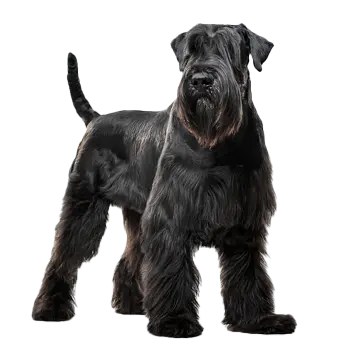

The Giant Schnauzer's size and energy level make proper vehicle preparation essential for safe car travel. A sturdy crate or crash-tested vehicle harness rated for dogs over sixty pounds is the safest way to secure a Giant Schnauzer during transit. The crate should be large enough for the dog to stand, turn around, and lie down comfortably, which typically means a crate designed for extra-large breeds. Placing the crate in the cargo area of an SUV or wagon provides the most space and stability.
For owners who prefer harness restraints over crates, several manufacturers produce crash-tested harness systems specifically designed for large breeds. These systems attach to the vehicle's existing seatbelt or LATCH anchors and distribute force across the dog's chest and shoulders in the event of a sudden stop. Given the Giant Schnauzer's substantial mass, investing in a properly rated restraint system is important for both the dog's safety and the safety of human passengers.
Long road trips with a Giant Schnauzer require regular stops for exercise, water, and bathroom breaks. Plan stops every two to three hours, and choose locations where the dog can safely stretch its legs and burn off energy. Rest areas with grassy spaces, pet-friendly parks along the route, and quiet roadside areas away from traffic all make suitable stop points. Giant Schnauzers are active dogs that do not tolerate prolonged confinement well, so adequate breaks are essential for keeping the dog calm and comfortable.
Never leave a Giant Schnauzer unattended in a parked vehicle, particularly in warm weather. The breed's dense double coat provides excellent insulation against cold but makes them vulnerable to overheating. Vehicle interiors can reach dangerous temperatures within minutes, even on moderately warm days with windows partially open. If you need to leave the vehicle temporarily during a stop, one person should always remain with the dog or the dog should be removed from the vehicle entirely.