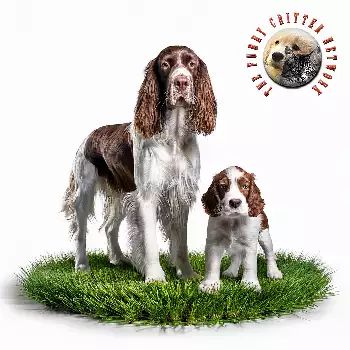

Film & Television

The English Springer Spaniel has made memorable appearances in film and television, often cast in roles that highlight the breed's intelligence, loyalty, and energetic charm. While not as ubiquitous on screen as some larger breeds, Springers have appeared in a range of productions from family-friendly features to dramatic series, typically portraying faithful companions or working dogs that reflect their real-world versatility.

Documentary and reality television programming has given the English Springer Spaniel significant exposure. Shows focused on dog training, competitive field trials, and law enforcement detection work have frequently featured Springers, showcasing their remarkable scenting ability and trainable nature. These appearances have introduced millions of viewers to the breed's working capabilities and have helped shape public perception of the Springer as an exceptionally capable and focused working dog.

In British television, the English Springer Spaniel has appeared in countryside and veterinary programs that celebrate rural life and the bond between humans and animals. The breed's photogenic appearance — with its expressive eyes, long ears, and lively movement — makes it a natural for the camera. These portrayals tend to emphasize the Springer's role as both a working partner and a beloved household companion, resonating with audiences who appreciate the breed's dual nature.

News coverage has also played a role in bringing English Springer Spaniels to the screen. Stories about military and police detection dogs, particularly those who have received commendations or medals for their service, have generated widespread media attention and introduced the breed to audiences who might not otherwise encounter a working Springer.

Literature & Art

Spaniels have been depicted in European art for centuries, and the English Springer Spaniel's ancestors appear in paintings dating back to the 16th and 17th centuries. Old masters and sporting artists frequently included spaniels in hunting scenes, portraying them flushing game from underbrush or resting at the feet of their aristocratic owners. These works document the breed's long association with the sporting life and provide a visual record of how spaniels have evolved in appearance over the centuries.

The tradition of sporting art continued into the 18th and 19th centuries with artists who specialized in depicting gun dogs in the field. Painters captured the Springer's characteristic working posture — head low, tail flagging, body coiled with anticipation — in compositions that celebrated the partnership between hunter and dog. These works became popular as prints and engravings, decorating the homes of sportsmen and contributing to the breed's cultural cachet among the hunting community.

In literature, the English Springer Spaniel appears in sporting memoirs, breed histories, and works of fiction that draw on the traditions of the English countryside. Authors writing about the gun dog world have devoted chapters and entire volumes to the breed, detailing its working qualities, training methods, and the deep bonds formed between Springers and their handlers. These texts serve as both practical guides and love letters to a breed that inspires deep devotion among its admirers.

Contemporary breed publications, including magazines and annual yearbooks produced by breed clubs, continue the tradition of documenting the English Springer Spaniel through words and images. These publications feature photography, pedigree analysis, health research, and personal narratives from owners and breeders, creating a rich and ongoing literary record of the breed's evolution and community.

Internet & Social Media

The English Springer Spaniel has developed a robust online following, with dedicated social media accounts, breed-specific forums, and community groups attracting thousands of enthusiasts worldwide. Platforms like Instagram and Facebook host accounts devoted to individual Springers whose daily adventures — from muddy field romps to couch cuddles — generate substantial engagement and foster a sense of global community among breed lovers.

The breed's natural expressiveness and photogenic qualities make Springers particularly well suited to visual social media. Their floppy ears, soulful eyes, and tendency to get gloriously muddy during outdoor adventures produce the kind of candid, relatable content that resonates with broad audiences. Viral moments featuring Springers — whether leaping into lakes, performing impressive tricks, or making comically dramatic facial expressions — have introduced the breed to millions of people who might never encounter one in person.

Online communities also serve as important resources for prospective and current Springer owners. Breed-specific forums and Facebook groups provide spaces where experienced owners share advice on training, health care, grooming, and behavioral management. These communities often function as informal support networks, helping new owners navigate the challenges of living with an energetic, intelligent sporting breed that requires consistent engagement and exercise.

The English Springer Spaniel's working heritage is well represented online as well. YouTube channels and social media accounts devoted to gun dog training, field trials, and detection work feature Springers prominently, offering educational content that highlights the breed's exceptional working abilities. These platforms have helped bridge the gap between the working and companion communities, giving pet owners a deeper appreciation for the instincts and drives that shape their Springer's behavior.

Advertising & Branding

The English Springer Spaniel's wholesome, approachable image has made it a recurring presence in advertising, particularly in campaigns for outdoor, pet care, and lifestyle brands. The breed's association with the countryside, family life, and active living aligns naturally with marketing messages that emphasize health, vitality, and the joys of companionship. Springers have appeared in print advertisements, television commercials, and digital campaigns for products ranging from pet food to outdoor clothing.

In the United Kingdom, where the breed is especially well known, English Springer Spaniels have been used in advertising that trades on nostalgia for rural traditions and the idealized English countryside. These campaigns leverage the Springer's visual appeal — the glossy coat, the alert posture, the wagging tail — to evoke feelings of warmth, trust, and authenticity. The breed's image communicates reliability and good nature, qualities that advertisers seek to associate with their products.

Pet industry brands have featured Springers in product photography and packaging, using the breed to represent the active, engaged dog owner demographic. Because Springers are medium-sized, attractive, and widely recognized, they serve as effective visual ambassadors for products aimed at a broad market segment. Their appearance in catalogs, websites, and social media campaigns reinforces the breed's mainstream appeal and visibility.

The breed's role in detection and law enforcement has also been leveraged in branding contexts. Security companies, training organizations, and government agencies have used images of working Springer Spaniels to convey competence, precision, and trustworthiness. These applications draw on the breed's well-documented professional capabilities, associating the Springer's image with expertise and dedication in high-stakes environments.

The Popularity Effect

Media exposure and cultural visibility have had a measurable impact on the English Springer Spaniel's popularity as a pet. Registration numbers have historically shown correlation with periods of heightened media attention, whether through high-profile show wins, news coverage of heroic working dogs, or viral social media moments. This pattern reflects a broader dynamic in the dog world, where public fascination with a breed can drive sudden increases in demand from prospective owners.

The popularity effect carries both benefits and risks for the breed. Increased demand can encourage responsible breeding programs to expand and can bring new enthusiasts into the breed community, supporting clubs, events, and health research initiatives. However, spikes in popularity can also attract irresponsible breeders who prioritize volume over health and temperament, potentially introducing genetic problems and producing puppies that are poorly suited to their new homes.

Breed advocates and rescue organizations have worked to counterbalance the negative aspects of popularity-driven demand by promoting education about the English Springer Spaniel's needs and characteristics. Organizations emphasize that Springers are high-energy dogs that require substantial daily exercise, consistent training, and mental stimulation — requirements that may not be apparent from charming photos and videos alone. This educational outreach helps ensure that prospective owners make informed decisions.

The English Springer Spaniel community has generally navigated the pressures of popularity with a strong commitment to breed welfare. Health testing programs, mentorship networks for new owners, and active rescue organizations all work to ensure that the breed's public image as a happy, healthy, and well-adjusted companion is supported by responsible practices behind the scenes. This infrastructure helps protect the breed from the worst consequences of trend-driven demand.

Always consult a qualified professional before making any health-related decisions. This content is provided for informational reference only and should not replace professional guidance specific to your animal.