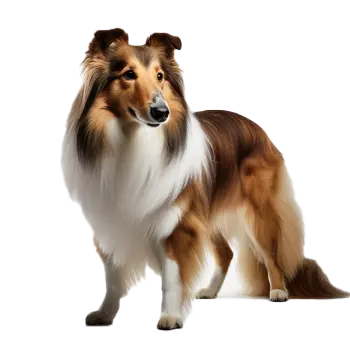

Car Travel

Collies are generally excellent car travelers, and their calm temperament makes road trips a viable and enjoyable option for families who want to include their dog in vacations and outings. The key to successful car travel with a Collie begins with proper restraint. A dog of this size should be secured in the vehicle using a crash-tested harness that attaches to the seat belt system, or confined in a crate that is large enough for the dog to stand, turn around, and lie down comfortably. Unrestrained dogs in moving vehicles pose a safety hazard to themselves and to human passengers in the event of a sudden stop or collision.

For Rough Collies, the abundant double coat creates additional considerations during car travel. The interior of a vehicle can heat up rapidly, even on moderately warm days, and a heavily coated dog is more susceptible to overheating than a short-coated breed. Ensure the air conditioning is running and directed toward the dog's area, and never leave a Collie unattended in a parked vehicle. Even with windows cracked, interior temperatures can reach dangerous levels within minutes. Smooth Collies are somewhat less vulnerable to heat but should receive the same precautions.

Planning regular stops is essential for long drives with a Collie. Every two to three hours, find a safe area where the dog can stretch its legs, relieve itself, and drink fresh water. Collies appreciate the opportunity to walk and sniff in new environments, and these breaks help prevent restlessness and anxiety during extended drives. Bring a portable water bowl, waste bags, and a leash rated for the dog's size and strength.

Motion sickness can affect some Collies, particularly puppies and dogs unaccustomed to car travel. Gradual desensitization, beginning with short trips and gradually increasing duration, is the most effective approach. Feeding the dog a light meal several hours before travel rather than immediately before departure can reduce nausea. For dogs with persistent motion sickness, consult a veterinarian about safe anti-nausea options, keeping in mind the MDR1 drug sensitivity common in the breed.

Air Travel

Air travel with a Collie presents significant logistical challenges due to the breed's size. Collies are too large to travel in the cabin of most commercial airlines, which typically restrict in-cabin pets to those that can fit in a carrier under the seat. This means most Collies must travel as cargo in a pressurized, temperature-controlled hold, or owners must explore alternative arrangements such as pet-specific airline services or ground transportation for longer distances.

If cargo travel is the chosen option, selecting an airline with a strong safety record for animal transport is critical. Research the airline's pet transport policies thoroughly, including temperature restrictions, breed-specific embargoes, and crate requirements. The International Air Transport Association sets standards for pet travel crates, which must be large enough for the dog to stand, turn, and lie down, constructed of rigid material, and equipped with secure latches and adequate ventilation. For a Collie, this typically means a 400 or 500 series crate, which should be purchased and introduced to the dog well before the travel date.

The Collie's sensitivity and strong bond with its owner make cargo travel stressful for many dogs in the breed. Acclimating the dog to the travel crate over a period of weeks, making the crate a comfortable and familiar space through positive associations, can significantly reduce anxiety. Some veterinarians may recommend mild sedation for anxious travelers, but this must be approached with extreme caution in Collies due to the MDR1 mutation. Any sedative or anti-anxiety medication must be verified as safe for MDR1-affected dogs before administration.

For owners who prefer to avoid cargo transport, several companies now offer pet-specific ground and air transport services. These services range from shared pet transport vans making cross-country trips to private charter flights for pets and their owners. While significantly more expensive than commercial cargo, these options provide a less stressful experience for the dog and greater peace of mind for the owner. Planning well in advance is essential, as these services often book up quickly during peak travel seasons.

Pet-Friendly Accommodations

Finding suitable accommodations for travel with a Collie requires advance research and planning, as pet policies vary widely among hotels, vacation rentals, and campgrounds. Many hotel chains now welcome pets, but individual properties within a chain may have different policies, size limits, or breed restrictions. When booking, confirm the specific property's pet policy, including any weight limits, additional fees, and restrictions on leaving the dog unattended in the room. Collies, as large dogs, may exceed the weight limits imposed by some properties.

Vacation rental platforms have expanded options for pet-owning travelers significantly. Many private home and cabin rentals welcome dogs and offer the advantage of enclosed yards, more space, and a home-like environment that can be less stressful for the dog than a hotel room. When booking a rental, look for properties with secure fencing, as Collies with herding instincts may be tempted to chase wildlife or passing vehicles in unfamiliar settings. Communicate with the property owner about your dog's size and breed to avoid surprises upon arrival.

Campgrounds and state parks offer another excellent option for traveling with a Collie, as the breed thrives in outdoor settings. Most public campgrounds welcome leashed dogs, and many offer designated pet areas and walking trails. However, policies regarding dogs in swimming areas, on beaches, and on certain trails vary by park, so research the specific rules of your destination before arriving. National parks in the United States generally restrict dogs to developed areas, roads, and parking lots, keeping them off most backcountry trails.

Regardless of accommodation type, traveling with a Collie requires bringing the supplies necessary to maintain the dog's routine and comfort. A familiar bed or blanket, the dog's regular food, bowls, medications, grooming tools, and cleanup supplies should all be packed. Maintaining the dog's feeding and exercise schedule as closely as possible reduces stress and helps the Collie settle into unfamiliar surroundings more quickly.

Boarding & Pet Sitting

When travel plans cannot include the dog, Collie owners must choose between boarding facilities and pet sitting services. Each option has advantages and drawbacks, and the best choice depends on the individual dog's temperament, the length of the absence, and the resources available in the owner's area. Collies are sensitive dogs that form deep bonds with their families, and extended separations can be stressful for the breed, making the quality of care during the owner's absence especially important.

Boarding facilities range from basic kennel operations to luxury pet resorts offering individual suites, webcam access, and structured activity programs. When evaluating a boarding facility for a Collie, look for clean, spacious accommodations with climate control, adequate exercise opportunities, and attentive staff. Tour the facility in person before booking, and ask about their experience with large, coated breeds. The Collie's coat requires regular attention, and a facility that can provide basic grooming during an extended stay is a significant advantage. Verify that the facility requires proof of vaccination for all boarded dogs and has protocols for handling medical emergencies.

In-home pet sitting, where a caretaker stays in the owner's home or visits multiple times daily, is often the preferred option for Collies who are stressed by unfamiliar environments. Remaining in their own home maintains the dog's routine and reduces anxiety. Professional pet sitters should be bonded and insured, and ideally should have experience with herding breeds. A trial visit before the owner's departure allows the sitter and the dog to become acquainted and gives the owner an opportunity to walk the sitter through the dog's daily schedule, dietary needs, and any behavioral quirks.

Another option gaining popularity is home-based boarding, where the dog stays in the sitter's home rather than in a commercial facility. This arrangement can provide the socialization and supervision of a boarding facility with the comfort and personal attention of a home environment. Platforms connecting pet owners with home-based boarders have expanded this option significantly, but owners should vet potential sitters carefully, checking references, inspecting the home, and confirming that the sitter's environment is safe and appropriate for a large, active breed like the Collie.

Emergency Preparedness

Emergency preparedness is an often-overlooked aspect of responsible Collie ownership that becomes critically important during natural disasters, evacuations, and other crises. Every Collie owner should maintain a pet emergency kit containing at least three days' supply of food and water, copies of vaccination records and registration documents, a current photograph of the dog, any necessary medications, a first aid kit, a sturdy leash and collar with identification tags, and a portable crate or carrier. This kit should be stored in an easily accessible location and checked periodically to ensure supplies are fresh and documents are current.

Evacuation planning must include the dog. Identify pet-friendly shelters, hotels, and boarding facilities along your evacuation route, and have contact information readily available. Many emergency shelters do not accept pets, and owners who have not planned ahead may face the agonizing choice of leaving their dog behind or refusing to evacuate. Some communities have established pet-specific emergency shelters, and local animal control agencies can often provide information about pet-friendly evacuation resources.

Microchipping and up-to-date identification are essential emergency preparedness measures. In the chaos of an emergency, dogs can become separated from their owners, and a microchip provides a permanent form of identification that cannot be lost or removed like a collar tag. Ensure your Collie's microchip registration is current with your correct contact information, and consider adding a secondary contact such as a friend or family member who lives outside your immediate area.

The Collie's sensitivity to stress makes it important to plan for the dog's emotional as well as physical needs during an emergency. Familiar items such as a favorite toy or blanket can provide comfort in unfamiliar surroundings. Maintaining as much of the dog's normal routine as possible, including regular feeding times and walks, helps reduce anxiety. For Collies with known anxiety issues, discuss emergency sedation protocols with your veterinarian in advance, ensuring that any medications prescribed are safe for dogs with the MDR1 mutation.

Always consult a qualified professional before making any health-related decisions. This content is provided for informational reference only and should not replace professional guidance specific to your animal.