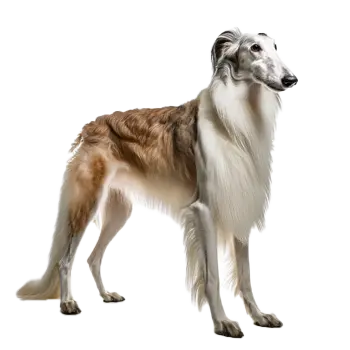

Car travel is generally the most practical and comfortable mode of transportation for Borzoi, giving owners full control over the environment, schedule, and rest stops. However, the breed's large size presents logistical challenges that require some planning. Most Borzoi are too tall to stand comfortably in a standard sedan, making SUVs, minivans, and station wagons the preferred vehicle types for regular travel. A flat, padded cargo area with adequate ventilation is ideal for longer trips.
Crate training is highly recommended for car travel, as it provides safety in the event of sudden stops or accidents and prevents the dog from becoming a distraction to the driver. Finding a crate large enough for a Borzoi that also fits in a vehicle can be challenging — many owners opt for collapsible wire crates or custom-fitted vehicle barriers that create a secure compartment in the cargo area. The crate or barrier should be anchored to prevent shifting during transit.
For Borzoi that travel without a crate, a crash-tested dog harness that attaches to the vehicle's seatbelt system provides an alternative restraint option. These harnesses distribute impact forces across the dog's chest and shoulders, reducing the risk of injury in a collision. Owners should look for harnesses that have been independently tested for large breeds, as not all products on the market offer adequate protection for dogs in the Borzoi's weight range.
Regular rest stops are important during long car trips. Borzoi should be offered water and a brief walk every two to three hours, and owners should never leave a dog unattended in a parked car, especially in warm weather. Even with windows cracked, interior temperatures can rise to dangerous levels within minutes. Planning routes with dog-friendly rest areas and keeping a travel kit with water, a portable bowl, waste bags, and a first-aid kit makes road trips safer and more enjoyable for everyone.