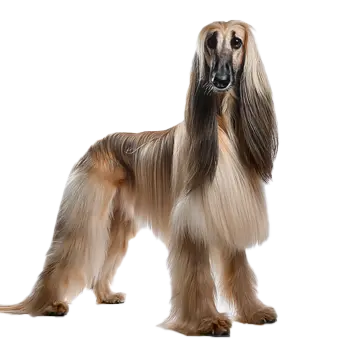

The Afghan Hound is not typically targeted by breed-specific legislation in the United States, the United Kingdom, or most other Western countries. BSL ordinances have historically focused on breeds perceived as posing a heightened risk of aggressive behavior, such as pit bull types, Rottweilers, and certain mastiff breeds. The Afghan Hound's temperament profile — characterized by aloofness and independence rather than territorial aggression — has generally kept it off the radar of legislators drafting breed-restriction laws.
However, Afghan Hound owners should be aware that some jurisdictions define restricted breeds broadly or use physical characteristic checklists that could theoretically encompass a wide range of dogs. In rare cases, vague statutory language or overzealous enforcement could create complications for owners of any large breed. Staying informed about the specific wording of local animal control ordinances is a prudent practice for all dog owners, regardless of breed.
The broader debate over breed-specific legislation remains a significant issue within the dog community. Major veterinary and animal welfare organizations have generally moved toward opposing BSL in favor of breed-neutral dangerous dog laws that focus on individual behavior rather than breed identity. Afghan Hound owners and breed clubs have joined the wider canine community in advocating for evidence-based approaches to public safety that do not unfairly penalize responsible owners of any breed.
International variations in breed legislation add another layer of complexity for Afghan Hound owners who travel or relocate. While the breed is unlikely to encounter breed-specific restrictions in most countries, owners planning an international move should research the animal importation and ownership laws of their destination country thoroughly. Consulting with a veterinarian experienced in international pet travel and reviewing government import databases are recommended steps.