
Car Travel

Transporting a Silkie guinea pig by car requires preparation to ensure the animal's comfort and safety throughout the journey. A sturdy, well-ventilated carrier is essential, and owners should line the bottom with absorbent bedding and include a supply of hay for the guinea pig to nibble on during transit. The carrier should be secured on a flat surface, ideally on the floor of the back seat or buckled in with a seatbelt to prevent sliding during turns and stops.

Temperature regulation is critically important when traveling with guinea pigs by car. Guinea pigs are highly sensitive to heat and can suffer fatal heatstroke at temperatures above 80 degrees Fahrenheit. The car should be air-conditioned during warm weather, and the carrier should never be placed in direct sunlight. During cold weather, ensure the vehicle is adequately heated and consider placing a fleece liner in the carrier for added warmth without restricting airflow.

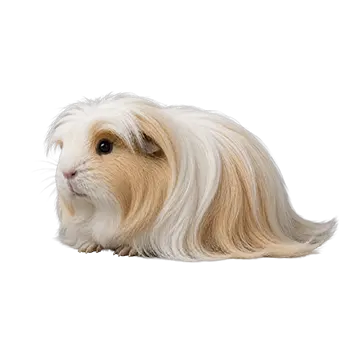
For Silkies specifically, coat management during car travel deserves attention. The long, flowing coat can become tangled or soiled during transit, particularly on longer journeys. Placing a clean fleece pad or towel in the carrier helps keep the coat clean, and a brief grooming session upon arrival can address any minor tangles that develop during the trip. Avoid using loose shavings as bedding during travel, as small particles can become embedded in the Silkie's coat.

Frequent stops are recommended during extended car journeys to check on the guinea pig's condition, offer fresh water, and replenish hay. Guinea pigs should never be left unattended in a parked vehicle, as temperatures inside a closed car can rise rapidly to dangerous levels even on mild days. Planning the route to include regular rest stops helps ensure a safe and comfortable journey for both the owner and the animal.

Air Travel

Air travel with guinea pigs is possible but involves significant logistical challenges and regulatory requirements. Most airlines that permit small animals in the cabin require that the pet remain in an approved carrier that fits under the seat in front of the passenger. Guinea pig owners should contact their airline well in advance to confirm the airline's small animal policy, reserve a spot for the pet, and obtain information about carrier size restrictions and required documentation.

Not all airlines allow guinea pigs in the cabin, and policies vary widely between carriers and even between routes operated by the same airline. Some airlines classify guinea pigs as rodents and prohibit them entirely, while others group them with other small companion animals and permit cabin travel with advance booking. International flights may have different rules than domestic routes, and connecting flights through different carriers can add further complexity.

The stress of air travel is a significant concern for guinea pigs, which are prey animals highly sensitive to unfamiliar sounds, vibrations, and changes in air pressure. Owners should take steps to minimize stress by acclimating the guinea pig to its carrier in the days before the flight, providing familiar bedding and hay, and choosing direct flights whenever possible to avoid the added disruption of layovers and plane changes.

For Silkie owners, protecting the coat during air travel requires additional planning. The confined space of an airline-approved carrier limits the guinea pig's ability to move freely, and extended periods in the carrier can lead to coat matting. Using a smooth fleece liner rather than loose bedding helps minimize coat damage, and a gentle grooming session after arrival ensures the coat returns to its normal condition. Owners should also carry a small grooming kit in their carry-on luggage for quick touch-ups.

Pet-Friendly Accommodations

Finding pet-friendly accommodations for guinea pig travel has become easier in recent years, though options remain more limited than those available to dog and cat owners. Many hotels that advertise pet-friendly policies are primarily geared toward guests with dogs, and their pet policies may not explicitly address small caged animals. Calling ahead to confirm that guinea pigs are welcome and to clarify any pet fees or deposit requirements is always advisable.

Vacation rental platforms offer another option for guinea pig owners seeking travel accommodations. Properties listed on these platforms often provide more flexibility than traditional hotels, and hosts may be willing to accommodate guinea pigs even if their listing does not specifically mention small pets. Clear communication with the host before booking, including information about the guinea pig's housing setup and care routine, helps set expectations and avoid misunderstandings.

When staying in accommodations with a Silkie, owners should plan to bring a travel-sized cage or enclosure that provides adequate space for the guinea pig during the stay. Collapsible playpens designed for small animals are a popular choice among traveling guinea pig owners, as they fold flat for transport and set up quickly upon arrival. The enclosure should be placed in a quiet area of the room, away from direct sunlight and drafts.

Maintaining the Silkie's grooming routine while traveling is important for both the animal's comfort and coat health. Packing a travel grooming kit with a soft brush, comb, and small scissors for spot trimming ensures that daily coat care can continue without interruption. Consistent grooming during travel helps prevent the matting and tangling that can occur when routines are disrupted by unfamiliar environments and schedules.

Boarding & Pet Sitting

When travel without the guinea pig is the best option, boarding and pet sitting services provide alternatives to bringing the animal along. Guinea pig boarding is offered by some veterinary clinics, pet care facilities, and specialized small animal boarding services. Owners should evaluate potential boarding facilities carefully, confirming that staff have experience with guinea pig care and that the facility maintains appropriate temperature, ventilation, and housing standards.

For Silkie owners, finding a boarding facility or pet sitter familiar with long-haired guinea pig care is particularly important. The Silkie's daily grooming needs mean that whoever cares for the animal must be willing and able to maintain the coat care routine during the owner's absence. Providing detailed written instructions, including grooming techniques, dietary preferences, and health monitoring guidelines, helps ensure consistent care.

In-home pet sitting is often the preferred option for guinea pig owners, as it allows the animal to remain in its familiar environment and reduces the stress associated with transport and unfamiliar surroundings. Professional pet sitters who specialize in small animals or exotic pets are increasingly available through online platforms and referral networks. Personal recommendations from fellow guinea pig owners or local cavy clubs can also help identify reliable sitters.

Regardless of the care arrangement chosen, owners should prepare comprehensive care instructions that cover feeding schedules, hay and water requirements, cage cleaning protocols, signs of illness to watch for, and emergency veterinary contact information. A trial visit or overnight stay before an extended trip allows both the guinea pig and the caretaker to adjust and gives the owner an opportunity to address any concerns before departure.

Emergency Preparedness

Emergency preparedness is an often-overlooked aspect of guinea pig ownership that becomes critically important during natural disasters, evacuations, and other unforeseen events. Guinea pig owners should maintain an emergency kit that includes a portable carrier, a three-day supply of hay and pellets, bottled water, bedding material, basic first aid supplies, and copies of veterinary records. Having these supplies ready to go at a moment's notice can make the difference between a safe evacuation and a chaotic scramble.

Evacuation planning should account for the specific needs of guinea pigs, which cannot tolerate temperature extremes and require continuous access to hay for digestive health. Owners should identify pet-friendly emergency shelters in their area and have a backup plan for housing the guinea pig with friends, family, or fellow cavy enthusiasts if the primary shelter does not accept small animals. Many local cavy clubs maintain emergency foster networks for exactly these situations.

For Silkie owners, emergency preparedness includes considerations specific to the breed's coat care needs. While daily grooming may not be feasible during an emergency, having a basic grooming kit in the emergency supply bag allows for minimal coat maintenance that prevents severe matting. In extreme situations, a temporary trimming of the coat may be necessary to maintain the animal's hygiene and comfort until normal care routines can be resumed.

Climate-related emergencies pose particular risks for guinea pigs during power outages that affect heating and cooling systems. Owners should have contingency plans for maintaining appropriate temperatures during extended outages, such as battery-powered fans for warm weather or insulated cage covers and hand warmers for cold conditions. Familiarizing yourself with the signs of heatstroke and hypothermia in guinea pigs enables rapid response if temperatures become dangerous during an emergency situation.

Always consult a qualified professional before making any health-related decisions. This content is provided for informational reference only and should not replace professional guidance specific to your animal.