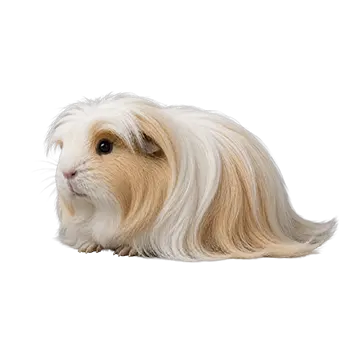

The Silkie guinea pig, also known as the Sheltie in some countries, traces its origins to selective breeding programs that began in the 1970s. Breeders working with Peruvian guinea pigs sought to develop a variety with a similarly luxurious coat but with hair that swept backward from the face rather than forward. Through careful crossbreeding and selection, the Silkie emerged as a distinct breed with its characteristic flowing mane and smooth, swept-back coat.
The breed was first developed primarily in the United Kingdom, where dedicated cavy fanciers experimented with coat genetics to achieve the desired silky texture and growth pattern. Early Silkie breeders faced significant challenges in stabilizing the coat direction and ensuring consistent quality across litters. The process required multiple generations of selective pairing before the hallmark traits became reliably heritable.
As the breed gained recognition, breeders in North America and continental Europe began importing Silkie stock and establishing their own breeding lines. The transatlantic exchange of breeding animals helped diversify the gene pool and contributed to the overall health and vitality of the breed. By the 1980s, the Silkie had established a firm foothold in the international cavy fancy community.
The naming conventions for the breed reflect its international development. In the United Kingdom and much of Europe, the breed is commonly referred to as the Sheltie, while North American breeders and registries favor the name Silkie. Despite the different names, the breed standard is largely consistent across regions, with minor variations in how specific coat qualities are evaluated by judges.