
Car Travel

Car travel is the most practical and commonly used method of transporting a Sheba Mini Yak guinea pig, whether for veterinary visits, show attendance, or relocations. A sturdy, well-ventilated carrier is the essential starting piece of equipment. The carrier should be sized to allow the guinea pig to move and turn comfortably without being so spacious that the animal slides around during acceleration, braking, and turns. Securing the carrier with a seatbelt or placing it on the floor behind a front seat helps prevent movement during the drive.

Bedding selection matters for a Sheba Mini Yak's long rosetted coat. Loose shavings and straw can become tangled in the hair during transit, creating mats that are difficult to remove after the journey. Smooth fleece liners are the preferred bedding option for travel, as they provide cushioning and absorbency without the risk of becoming enmeshed in the coat. A spare liner packed in the travel bag allows for a quick change if the first becomes soiled during a longer trip.

Temperature regulation in the vehicle is critical. Guinea pigs are highly sensitive to both heat and cold, and the Sheba Mini Yak is no exception. Temperatures inside a parked car can rise dangerously fast, so the guinea pig should never be left unattended in a vehicle, even briefly. During travel, the car's climate system should maintain a comfortable range, and the carrier should be positioned away from direct sunlight and away from air conditioning vents that could create cold drafts.

For longer journeys, plan rest stops every two to three hours to offer fresh water and a small amount of hay or leafy greens. Guinea pigs are continuous grazers, and maintaining access to food and water reduces travel stress. Use a small, tip-resistant water dish or a travel-sized water bottle attached to the carrier to provide hydration. Keep a supply of the guinea pig's regular food on hand rather than introducing unfamiliar items during travel, as dietary changes can cause digestive upset.

Air Travel

Air travel with a Sheba Mini Yak guinea pig requires extensive advance planning and careful evaluation of airline policies. Most major airlines do not permit guinea pigs in the passenger cabin, and those that do impose strict requirements regarding carrier dimensions, health documentation, and booking procedures. Policies change frequently, so contacting the airline directly and confirming current guinea pig acceptance well before the travel date is essential.

When cabin travel is not permitted, cargo hold transport may be an option, though it introduces greater risk. The cargo hold environment exposes animals to temperature fluctuations, engine noise, and pressure changes that can be stressful. Airlines that accept live animals in cargo typically impose temperature-based shipping embargoes, refusing to transport animals when ground temperatures at departure or arrival airports exceed safe thresholds. These embargoes protect the animal but can make scheduling unreliable, particularly during summer and winter months.

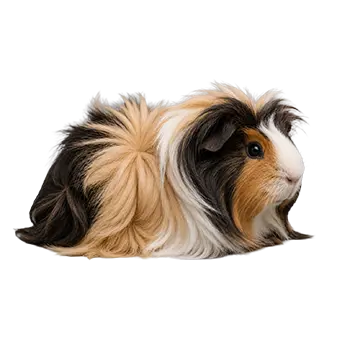
The Sheba Mini Yak's long, tousled coat introduces specific considerations for air travel. Confinement in a small carrier for several hours can compress the coat and lead to tangling, particularly around the hindquarters and belly where hair is longest. Lining the carrier with a smooth fleece rather than textured bedding helps minimize this issue. Upon arrival, a gentle brushing session should be part of the post-travel routine to address any tangles before they develop into full mats.

International air travel adds layers of regulatory complexity, including health certificates, import permits, and possible quarantine requirements at the destination. These requirements vary by country and can take weeks or months to fulfill. For Sheba Mini Yak owners considering international relocation or travel, consulting with a professional pet transport service that specializes in small animals can simplify the process and help ensure compliance with all applicable regulations.

Pet-Friendly Accommodations

Locating pet-friendly accommodations for guinea pig owners requires more effort than many travelers expect. Hotels and vacation rentals that advertise pet-friendly policies often have dogs and cats in mind, and their policies may not explicitly address small caged animals. When booking lodging, contacting the property directly to confirm that guinea pigs are welcome is an important step that prevents unpleasant surprises upon arrival.

Many accommodation providers are receptive to guinea pig guests once they understand that the animal will remain in a carrier or cage and will not roam freely in the room. Offering to provide a cleaning deposit or describing your setup, including the type of cage and bedding used, can help reassure property managers who are unfamiliar with guinea pig keeping. Bringing a waterproof mat or tray to place beneath the cage demonstrates consideration for the property and further reduces potential concerns.

Vacation rental platforms often provide more flexibility than traditional hotels, as individual hosts may be more open to accommodating small animal guests. Clear communication with the host about the type of animal, its housing, and the measures you will take to keep the space clean goes a long way toward securing approval. Some hosts who are pet owners themselves may welcome the idea of a guinea pig guest with genuine enthusiasm.

Maintaining the Sheba Mini Yak's care routine while traveling is important for the animal's comfort and health. Pack a travel grooming kit that includes a soft brush, grooming scissors, nail clippers, and any other tools you use regularly. Consistent grooming during travel prevents the tousled coat from developing mats and keeps the guinea pig comfortable. Familiar items from home, such as a favorite hideout or a piece of fleece from the regular cage, can also help reduce stress in an unfamiliar environment.

Boarding & Pet Sitting

When travel plans do not permit bringing the Sheba Mini Yak along, boarding facilities and pet sitters provide two primary alternatives. Not all boarding facilities accept guinea pigs, and those that do may have limited experience with long-haired breeds. When evaluating boarding options, inquire about the facility's experience with guinea pigs specifically, the size and type of enclosures provided, the diet offered, temperature control in the small animal area, and any policies regarding exercise time outside the cage.

In-home pet sitting offers a less disruptive alternative for guinea pigs, which are sensitive to environmental changes. A pet sitter who visits the home on a regular schedule to provide food, fresh water, cage maintenance, and social interaction allows the Sheba Mini Yak to remain in its familiar surroundings. This continuity reduces stress and supports the animal's overall well-being during the owner's absence.

Finding a pet sitter with small animal experience is particularly important for a Sheba Mini Yak owner. The breed's long, rosetted coat requires regular attention to prevent matting, and a sitter who is comfortable handling and grooming a long-haired guinea pig will provide a higher standard of care than one who is not. Online pet sitting platforms make it possible to search for sitters with relevant experience, and conducting an in-person trial visit before the actual boarding period helps confirm that the sitter and the guinea pig are a good match.

Regardless of the arrangement chosen, comprehensive written care instructions are essential. These should cover daily feeding schedules and food types, hay and water requirements, cage cleaning procedures, grooming steps with specific attention to areas prone to tangling, signs of illness to monitor, and contact information for the guinea pig's veterinarian. For a Sheba Mini Yak, including a demonstration of the grooming routine during the sitter's orientation visit ensures that coat care continues appropriately in the owner's absence.

Emergency Preparedness

Emergency preparedness for Sheba Mini Yak owners involves anticipating scenarios such as natural disasters, severe weather events, power outages, and situations requiring urgent evacuation. Assembling an emergency kit in advance ensures that the guinea pig can be moved quickly and safely when time is limited. The kit should include a secure carrier, at least three days' supply of hay and pellets, bottled water, fleece liners or bedding, a basic first aid kit, grooming supplies, and copies of veterinary records.

Temperature management is a critical component of emergency planning for guinea pigs. In the event of a summer power outage, the loss of air conditioning can push indoor temperatures into the danger zone for guinea pigs relatively quickly. Moving the guinea pig to the coolest room in the home, providing frozen water bottles wrapped in cloth as cooling aids, and ensuring adequate ventilation are immediate steps that can prevent heat-related illness. During winter power outages, insulating the cage or carrier with blankets and keeping the guinea pig in the warmest available room helps maintain a safe temperature.

Evacuation planning should include identifying pet-friendly emergency shelters, assembling a list of contacts who could provide temporary housing for the guinea pig, and keeping the emergency kit in an accessible location. Many emergency management agencies publish lists of pet-friendly shelters and evacuation resources, and consulting these lists before an emergency occurs allows for informed planning rather than last-minute improvisation. Guinea pig-specific rescue networks and local cavy community groups can also serve as resources during emergencies.

For the Sheba Mini Yak specifically, including grooming tools in the emergency kit ensures that basic coat care can continue even during a crisis. A tangled and matted coat can lead to skin irritation and discomfort, compounding the stress the guinea pig may already be experiencing from the disruption to its routine. A small brush and a pair of grooming scissors occupy minimal space in the kit and allow the owner to maintain the coat in reasonable condition until normal circumstances are restored.

Always consult a qualified professional before making any health-related decisions. This content is provided for informational reference only and should not replace professional guidance specific to your animal.