
Origins & Development

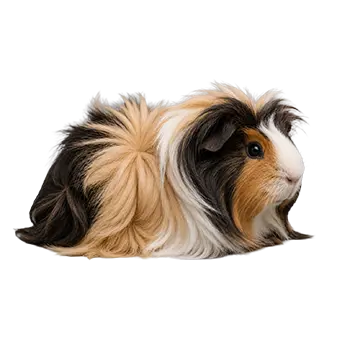
The Sheba Mini Yak is an Australian-developed guinea pig breed that emerged in the 1960s and 1970s through the work of breeder Wynne Eecen in Sydney, New South Wales. The breed was created through crosses between Abyssinian guinea pigs, which carry the rosetted coat gene, and Peruvian guinea pigs, known for their long, flowing hair. The goal was to produce a guinea pig with a long coat that grew in multiple directions, creating the distinctively tousled and wild appearance that defines the breed today.

The name Sheba Mini Yak reflects the breed's resemblance to the long-haired yaks of Central Asia, scaled down to guinea pig proportions. This whimsical name captures the essence of the breed's appeal: a small animal with a dramatically oversized, untamed coat that gives it a look of permanent, endearing dishevelment. The playful naming convention set the tone for how the breed would be perceived within the cavy community and beyond.

Early development of the Sheba Mini Yak required careful selection to stabilize the combination of long hair growth and rosette placement that produces the signature tousled look. Unlike the smooth-lying coat of a Peruvian or the tightly rosetted short coat of an Abyssinian, the Sheba Mini Yak's coat grows outward and upward from multiple rosette centers, creating the characteristic wild mane effect. Achieving this reliably across generations took years of selective breeding.

The breed remained primarily an Australian variety for decades, with its development and promotion concentrated among Australian cavy breeders and show organizations. Over time, interest in the Sheba Mini Yak spread to other countries, and small breeding populations were established in the United Kingdom, Europe, and North America. However, Australia remains the breed's heartland, and Australian breeders continue to play a leading role in its development and standardization.

Historical Roles

The Sheba Mini Yak was developed purely as a companion and exhibition animal, without the utilitarian history that characterizes guinea pigs in their ancestral South American context. Its creation was driven by aesthetic curiosity and the desire to push the boundaries of guinea pig coat diversity. In this sense, the Sheba Mini Yak represents a distinctly modern chapter in the long history of guinea pig domestication, one focused on novelty and visual appeal rather than practical function.

Within the Australian cavy show circuit, the Sheba Mini Yak quickly established itself as a crowd favorite. Its unconventional appearance set it apart from the more polished and groomed breeds that traditionally dominated shows, and judges and spectators alike were drawn to its wild charm. The breed's show career helped demonstrate that beauty in the cavy world could take many forms, including the deliberately unkempt.

The breed has also served as an informal ambassador for guinea pig keeping in Australia. Its unusual name and striking appearance make it a natural conversation starter, and Sheba Mini Yaks have been featured at agricultural shows, school visits, and community events where they introduce members of the public to the world of cavy keeping. Their friendly temperament makes them well suited to these interactive settings, where they often attract attention from children and adults who might not otherwise engage with guinea pigs.

In the broader context of small animal genetics, the Sheba Mini Yak has contributed to understanding how rosette genes and long hair genes interact. The breed demonstrates that combining these genetic elements produces not a simple blend of the parent breeds' characteristics but a distinct phenotype with its own visual identity. This has informed breeding strategies for other long-haired rosetted varieties and added depth to the cavy community's collective knowledge of coat genetics.

Cultural Symbolism

The Sheba Mini Yak occupies a unique cultural niche within the guinea pig world, serving as something of a rebel among breeds that are typically judged on neatness and grooming precision. Where most long-haired guinea pig breeds are presented in show condition with carefully combed and parted coats, the Sheba Mini Yak is celebrated for its natural, tousled state. This inversion of conventional show aesthetics has given the breed a counterculture appeal that resonates with owners and breeders who value individuality and character.

The breed's name itself has become part of its cultural identity. The image of a miniature yak, complete with wild hair flying in all directions, captures the imagination in a way that more prosaic breed names do not. This evocative naming has helped the Sheba Mini Yak punch above its weight in terms of public recognition, as people who may not know much about guinea pig breeds often remember the name once they hear it.

In Australian cavy culture specifically, the Sheba Mini Yak holds a place of national pride as one of the few guinea pig breeds to have originated in Australia. This provenance gives the breed a special significance among Australian breeders, who view it as a homegrown contribution to the international cavy community. The breed's Australian identity is celebrated at shows and in breed club communications, reinforcing a sense of ownership and stewardship among local enthusiasts.

The Sheba Mini Yak has also become a symbol of the idea that grooming perfection is not the only path to beauty in the animal world. Its deliberately disheveled appearance challenges conventional standards and invites a broader appreciation of the many forms that attractiveness can take. For many owners, the breed's wild look reflects a philosophy of embracing natural character over manufactured polish, a sentiment that extends beyond guinea pig keeping into broader cultural conversations about authenticity and self-expression.

Breed Clubs & Standards

The Sheba Mini Yak is formally recognized by several Australian state cavy councils, which have developed breed standards that describe the ideal physical characteristics for show competition. These standards typically specify requirements for coat length, rosette placement, overall body shape, and the quality of the tousled coat texture. Unlike most guinea pig breed standards, the Sheba Mini Yak standard explicitly values a wild and natural appearance, making it unique in the show world.

The Australian National Cavy Council has played a central role in coordinating breed standards across state organizations, ensuring a degree of consistency in how the Sheba Mini Yak is evaluated at shows throughout the country. While minor variations in standards may exist between states, the core principles of the breed remain consistent: a guinea pig with a long, rosetted coat that grows outward in a naturally tousled manner, without the smooth-lying presentation expected of Peruvians or Silkies.

Outside Australia, formal recognition of the Sheba Mini Yak is limited. The breed is not currently recognized by the British Cavy Council or the American Cavy Breeders Association, though it is shown in non-standard or rare breed classes at some international events. Advocacy for broader recognition is ongoing, with Australian breeders and international Sheba Mini Yak enthusiasts working to build the population base and documentation needed to support formal recognition applications.

Breed clubs dedicated to the Sheba Mini Yak exist primarily in Australia, where they serve as centers for information sharing, mentorship, and coordinated breeding efforts. These clubs organize specialty shows, publish newsletters, and maintain breeding records that help track the breed's development over time. For newcomers to the breed, these clubs represent the most reliable source of guidance on acquiring and caring for a Sheba Mini Yak to breed standard.

The Breed Today

The Sheba Mini Yak today remains a relatively rare breed globally but enjoys a loyal and enthusiastic following, particularly in its Australian homeland. Breeding programs continue to refine the breed's characteristics, with breeders working to improve coat density, rosette definition, and overall body condition while maintaining the signature tousled appearance that defines the breed.

Social media has expanded the Sheba Mini Yak's reach well beyond its traditional stronghold in Australia. Photographs of Sheba Mini Yaks, with their wild hair and expressive faces, generate strong engagement on visual platforms, introducing the breed to audiences in countries where it may not be readily available. This online visibility has stimulated interest from international breeders and pet owners, leading to a gradual expansion of the breed's geographic footprint.

The breed's grooming requirements are moderate compared to other long-haired guinea pig varieties. Because the coat is meant to look naturally tousled rather than sleekly groomed, Sheba Mini Yak owners spend less time on elaborate combing and styling than owners of Peruvians or Silkies. Regular brushing to prevent matting and occasional trimming to manage length are the primary grooming tasks, making the breed somewhat more accessible to owners who appreciate the long-haired look but prefer a lower-maintenance grooming routine.

Availability of Sheba Mini Yaks varies widely by region. In Australia, reputable breeders can be found through state cavy councils and breed clubs. In other countries, finding a Sheba Mini Yak may require significant effort, as breeding populations are small and dispersed. Prospective owners outside Australia may need to connect with international breeding networks or consider importing from established Australian lines, a process that involves navigating the import regulations and quarantine requirements of both the exporting and importing countries.

Notable Individuals

The Sheba Mini Yak's history includes a number of notable individuals who have left their mark on the breed through show achievements and breeding contributions. In Australia, champion Sheba Mini Yaks have won best-in-show honors at major cavy exhibitions, bringing recognition to the breed and demonstrating that it can compete at the highest levels of the cavy show world. These wins have been particularly significant in building the breed's credibility among judges and exhibitors who may be more familiar with mainstream varieties.

Wynne Eecen, the breed's creator, holds a special place in Sheba Mini Yak history. Her vision of a guinea pig that combined the Abyssinian's rosettes with the Peruvian's length to create something entirely new was realized through years of patient, dedicated breeding. The legacy of her work continues through every Sheba Mini Yak alive today, and Australian cavy clubs frequently acknowledge her foundational contribution to the breed.

On social media, several Sheba Mini Yak guinea pigs have attracted substantial followings, with their wild-haired photographs and videos delighting audiences around the world. These online personalities have served as effective ambassadors for the breed, sparking interest and inquiries from potential owners who discover the Sheba Mini Yak through their feeds. The breed's photogenic dishevelment translates particularly well to the short-form video formats popular on current social media platforms.

In the rescue community, Sheba Mini Yaks and Sheba Mini Yak mixes have occasionally appeared in guinea pig rescues, where their unusual appearance and engaging personalities often make them quick to find adoptive homes. Rescue organizations have used these animals to educate the public about the diversity of guinea pig breeds and the importance of understanding breed-specific care needs before bringing any guinea pig into the home.

Always consult a qualified professional before making any health-related decisions. This content is provided for informational reference only and should not replace professional guidance specific to your animal.