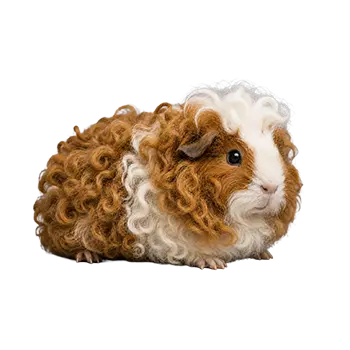

Guinea pigs, including the Peruvian breed, are classified as domestic companion animals in virtually all jurisdictions and are legal to own without special permits or licenses in most countries. Unlike exotic or wild-caught animals that may require ownership permits or fall under wildlife protection statutes, guinea pigs enjoy a broadly permissive legal status that reflects their long history of domestication and their established role as household pets.
General animal welfare laws apply to guinea pig ownership in all jurisdictions that have enacted such legislation. These laws establish baseline standards of care that owners must meet, typically including requirements for adequate food, water, shelter, and veterinary attention. Failure to meet these standards constitutes neglect or cruelty and can result in penalties ranging from fines to imprisonment, depending on the severity of the case and the jurisdiction.
The Peruvian guinea pig's long coat introduces a breed-specific dimension to welfare considerations. While no jurisdiction has enacted breed-specific grooming regulations for guinea pigs, the neglect of a Peruvian's coat to the point where matting causes pain, skin damage, or restricted movement could be prosecuted under general animal cruelty statutes. Owners of long-haired guinea pig breeds have a heightened responsibility to maintain their animals' coats in a condition that does not compromise the animal's health or comfort.
Switzerland stands out among nations for its particularly detailed animal welfare regulations governing guinea pig ownership. Swiss law requires that guinea pigs be kept with at least one companion of the same species, reflecting the scientific consensus that guinea pigs are social animals that suffer when housed alone. This requirement applies to all guinea pig breeds, including Peruvians, and is enforced through animal welfare inspections and complaint-driven investigations.