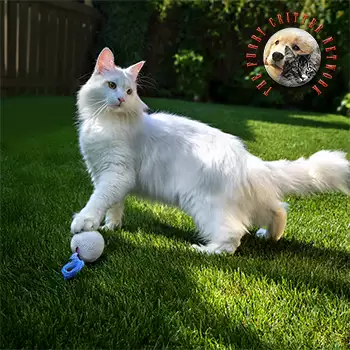

Turkish Angoras tend to be more adaptable and curious than many cat breeds, which can work in your favor when it comes to car travel — but it also means they are more likely to want to explore the vehicle rather than settle quietly. A secure, well-ventilated carrier is essential for safe car travel. The carrier should be large enough for the cat to stand, turn around, and lie down comfortably, and it should be secured with a seatbelt or placed on the floor behind a seat to prevent sliding during sudden stops.
Acclimating your Turkish Angora to the carrier and the car well before any planned trip will significantly reduce travel stress. Begin with short sessions sitting in the parked car with the engine running, then progress to brief drives around the neighborhood. Reward calm behavior with treats and gentle praise. Turkish Angoras are intelligent and responsive to positive reinforcement, so consistent conditioning sessions can make a meaningful difference in their comfort level over time.
Maintain a comfortable temperature inside the vehicle throughout the trip. Turkish Angoras have a single-layered silky coat that provides less insulation than the denser double coats of some other breeds, making them somewhat sensitive to temperature extremes. Avoid leaving a cat unattended in a parked car under any circumstances, as interior temperatures can rise to dangerous levels within minutes even on moderately warm days.
For longer road trips, plan stops every two to three hours to offer water and check on your cat's condition. A small portable litter box can be placed in the carrier or offered during rest stops in a secure, enclosed space. Keep a current photo and identification information for your cat readily accessible in case of an unexpected separation. Microchipping and a breakaway collar with an ID tag provide additional layers of security during travel.