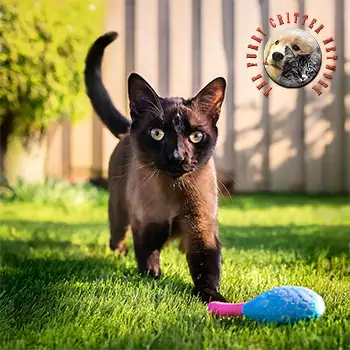

The Tonkinese's sociable and adaptable nature can make it a better car travel companion than many cat breeds, but successful road trips still require careful preparation and gradual acclimation. Begin by introducing your Tonkinese to its carrier well before any planned trip, leaving the carrier open in a familiar room with comfortable bedding and occasional treats inside. Most Tonkinese will investigate and begin resting in the carrier voluntarily, which helps establish it as a safe space rather than a source of anxiety.
When traveling by car, the carrier should be secured on the back seat using a seatbelt threaded through the handle or a dedicated carrier restraint system. Never place a cat carrier on the front passenger seat where airbag deployment could be fatal, and never allow a cat to roam freely in the vehicle while it is in motion. Even the most relaxed Tonkinese can become startled by sudden noises or movements, and a loose cat in a car poses a serious safety risk to both the animal and the driver.
For longer drives, plan stops every two to three hours to offer your Tonkinese water and access to a portable litter box. Some owners set up a small litter tray on the floor of the back seat, covered with a towel for stability. Tonkinese cats tend to be more vocal than some breeds, and sustained meowing during car rides is common, particularly during the first few trips. This vocalization typically decreases as the cat becomes accustomed to the routine of travel.
Temperature management is critical during car travel with any cat. Never leave a Tonkinese unattended in a parked vehicle, as interior temperatures can reach dangerous levels within minutes even on moderately warm days. If you must stop for gas or restrooms, take the cat in its carrier with you or ensure another passenger remains in the climate-controlled vehicle with the animal.