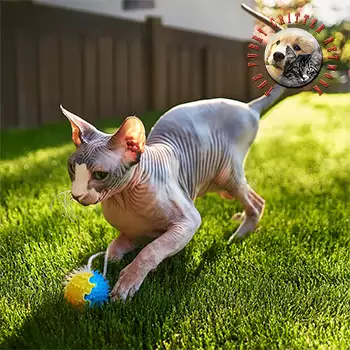

The Sphynx cat has carved out a distinctive niche in film and television, where its unusual appearance has made it a natural choice for roles that call for the exotic, the villainous, or the comedic. Perhaps the breed's most iconic screen role came in the Austin Powers film franchise, where a Sphynx named Mr. Bigglesworth served as the beloved pet of the main antagonist. The character became one of the most recognizable animal performances in modern comedy, and the films introduced millions of viewers to the Sphynx breed for the first time.
Beyond that landmark role, Sphynx cats have appeared in numerous television series, often cast as the pets of eccentric, wealthy, or morally ambiguous characters. This typecasting reflects the breed's association with the unconventional and the luxurious, though it has also reinforced a somewhat one-dimensional public image. Television writers have frequently used the Sphynx as visual shorthand for a character's unusual tastes or outsider status, leveraging the breed's dramatic appearance for instant audience recognition.
The breed has also appeared in animated productions, where its distinctive silhouette and expressive features translate well to character design. Animated Sphynx characters have ranged from comedic sidekicks to mysterious figures, and the breed's visual distinctiveness ensures that animated representations are immediately identifiable. These appearances have helped introduce the Sphynx to younger audiences who may later become fans of the real breed.
In recent years, the portrayal of Sphynx cats on screen has begun to shift away from the villain-pet stereotype. Several productions have featured Sphynx cats in more sympathetic and nuanced roles, reflecting the broader cultural shift in perception of the breed. As audiences have become more familiar with the Sphynx through social media and personal experience, filmmakers have responded by offering portrayals that better reflect the breed's warm and affectionate true nature.