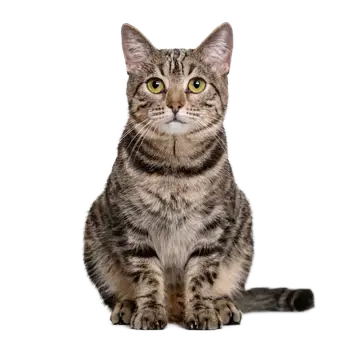

The European Shorthair may be the most frequently seen yet least recognized cat breed in European cinema and television. Because the breed so closely resembles the common house cat found throughout the continent, it appears constantly in background roles, domestic scenes, and establishing shots without ever being identified by breed name. Directors filming in European locations who need a cat to inhabit a kitchen table, a windowsill, or a village street invariably end up working with cats that fit the European Shorthair type, even if the production credits simply list them as domestic cats.
European art house cinema has long favored naturalistic settings where cats appear as organic elements of everyday life rather than as trained performers. Films by Scandinavian, French, and Italian directors frequently feature tabby or bicolor cats lounging in apartments, crossing cobblestone streets, or sitting on farm walls, lending scenes an authentic lived-in quality that a more exotic breed might undermine. The European Shorthair's calm, unfussy demeanor makes it particularly well suited to this kind of incidental screen presence, as the cats rarely react with alarm to the disruption of a film set.
In television, the breed appears regularly in European dramas, particularly those set in rural or small-town environments. Scandinavian crime series and British period dramas frequently include cats that match the European Shorthair type, using them to humanize characters or to establish the domesticity of a scene. Children's programming across Europe has also featured cats of this type, often as the model for animated or puppet characters that represent the generic friendly house cat familiar to young audiences.
Despite this pervasive presence, the European Shorthair rarely receives explicit breed identification in film or television credits. This anonymity is both a consequence and a reinforcement of the breed's cultural position as the default European cat, so familiar that it becomes invisible. The irony is that the very quality that makes the breed ideal for naturalistic media appearances, its ordinariness, also prevents it from gaining the breed-specific recognition that more distinctive-looking cats enjoy.