
Origins & Ancient Roots

The Egyptian Mau is widely considered one of the oldest domesticated cat breeds, with a lineage that many enthusiasts and historians trace back thousands of years to the cats of ancient Egypt. The word "Mau" itself is the ancient Egyptian word for cat, underscoring the breed's deep connection to that civilization. Archaeological evidence, including papyrus scrolls and tomb paintings dating to roughly 1550 BCE, depicts spotted cats that bear a striking resemblance to the modern Egyptian Mau, suggesting an unbroken thread of heritage stretching across millennia.

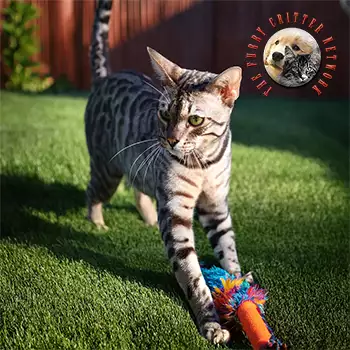
While the precise genetic path from ancient Egyptian cats to today's breed is debated among geneticists, what remains clear is that the Egyptian Mau is the only naturally spotted breed of domestic cat. Unlike breeds whose spotted coats were developed through selective crossbreeding, the Mau's distinctive markings occur spontaneously in its genome. This natural patterning has fueled romantic connections to the sacred cats depicted alongside pharaohs and deities in ancient Egyptian art.

The breed's modern story begins in the mid-twentieth century, when spotted street cats from Cairo caught the attention of European expatriates. These cats were prized for their athletic build, gooseberry-green eyes, and unmistakable spotted coats. From this small population of Egyptian-born cats, breeders would eventually establish the foundation lines that gave rise to the Egyptian Mau as a recognized pedigree breed in the Western world.

Historical Roles

In ancient Egypt, cats held an elevated position that few other animals enjoyed. They were valued as protectors of grain stores, keeping rodent populations in check and safeguarding the agricultural surplus on which Egyptian civilization depended. Spotted cats resembling the Mau were likely among those working cats, earning their place in households through practical pest control long before they became objects of spiritual reverence.

Beyond their utilitarian function, cats in ancient Egypt gradually took on ceremonial and spiritual roles. They were associated with the goddess Bastet, a deity of home, fertility, and protection who was often depicted as a lioness or as a woman with a cat's head. Temples dedicated to Bastet housed large populations of cats, and harming a cat was considered a serious offense under Egyptian law. While it is impossible to say definitively that the Egyptian Mau specifically served as temple cats, the spotted cats in surviving artwork align closely with the breed's modern appearance.

As Egyptian civilization interacted with the wider Mediterranean world through trade and conquest, cats spread to Greece, Rome, and beyond. The reverence Egyptians held for their cats became legendary among neighboring cultures. By the time the breed was rediscovered by Western cat enthusiasts in the twentieth century, this deep historical legacy formed a compelling narrative that helped elevate the Egyptian Mau from a regional street cat to an internationally celebrated pedigree.

Cultural Symbolism

The Egyptian Mau carries powerful symbolic weight that extends well beyond the world of cat fancy. In ancient Egyptian cosmology, cats were linked to the sun god Ra, who was said to take the form of a great cat to battle the serpent of chaos each night. The distinctive "M" marking on the forehead of many tabby and spotted cats has been the subject of folklore across multiple cultures, and in the Mau's case it reinforces the breed's association with the sacred and the mysterious.

In modern Egypt, while cat worship has long since faded, street cats remain a ubiquitous and generally tolerated presence in cities and towns. The Egyptian Mau's resemblance to these everyday cats creates a bridge between ancient reverence and contemporary coexistence. For Egyptians and visitors alike, seeing spotted cats lounging in the shadow of ancient monuments evokes a sense of continuity that few other living creatures can provide.

Internationally, the Egyptian Mau has become a symbol of feline elegance and wild beauty within the domestic cat world. Its spotted coat and athletic build remind admirers of small wild cats, yet its temperament is thoroughly domestic — loyal, affectionate, and deeply bonded to its family. This combination of wild appearance and gentle personality has made the Mau an enduring emblem of the idea that domestic cats retain a thread of their ancient, untamed heritage.

Breed Clubs & Standards

The formal history of the Egyptian Mau as a recognized breed begins with Nathalie Troubetskoy, a Russian-born princess living in Italy, who acquired spotted cats of Egyptian origin in the early 1950s. Troubetskoy was captivated by their resemblance to the cats in ancient Egyptian art and began a breeding program to preserve and promote the type. When she emigrated to the United States in 1956, she brought several of her cats with her, and these individuals formed the foundation of the breed in North America.

The Cat Fanciers' Association granted the Egyptian Mau championship status in 1977, and The International Cat Association followed with its own recognition. In Europe, the Fédération Internationale Féline also accepted the breed. These organizations established breed standards emphasizing the Mau's naturally spotted coat, muscular yet graceful body, and characteristic gooseberry-green eyes. The accepted coat colors are silver, bronze, and smoke, with each featuring distinct random spots that should not form a mackerel or classic tabby pattern.

Breed clubs dedicated to the Egyptian Mau have formed around the world, serving as hubs for breeders and enthusiasts to share knowledge, organize shows, and coordinate health-testing programs. The Egyptian Mau Breed Council within CFA and the various TICA breed committees work to refine the standard while protecting the genetic health and diversity of the breed. These organizations have played a crucial role in maintaining the Mau's distinctive characteristics while guarding against the inbreeding pressures that can accompany a breed founded on a small number of individuals.

The Breed Today

Today the Egyptian Mau remains a relatively uncommon breed, prized by dedicated enthusiasts who value its unique combination of history, beauty, and personality. While it will never rival the Persian or the Maine Coon in sheer popularity, the Mau has carved out a devoted following among cat fanciers who appreciate a breed with deep roots and a distinctive look. Show rings regularly feature competitive Maus, and the breed consistently draws attention from spectators unfamiliar with its spotted coat.

Breeders in North America, Europe, and parts of Asia continue to work with the established bloodlines while occasionally introducing new cats of Egyptian origin to broaden the gene pool. These so-called "Egyptian imports" are carefully evaluated for type and health before being incorporated into breeding programs. This practice helps mitigate the genetic bottleneck created by the breed's small founding population and contributes to the overall health and vitality of the modern Mau.

The Egyptian Mau's speed is another point of distinction. The breed is often cited as the fastest domestic cat, with reported sprint speeds of up to thirty miles per hour. This athleticism, combined with its playful and intelligent nature, makes the Mau an engaging companion for owners who enjoy interactive play and enrichment. As awareness of the breed grows through social media and cat shows, the Egyptian Mau continues to attract new admirers who are drawn to its extraordinary blend of ancient heritage and modern companionship.

Notable Individuals

Among the most historically significant Egyptian Maus are the foundation cats brought to the United States by Nathalie Troubetskoy. Baba, a female silver Mau, and her offspring became the cornerstones of the North American breeding program. Troubetskoy's cattery, named Fatima, produced many of the early pedigree Maus from which virtually all North American lines descend. These cats were exhibited widely and played a central role in generating public interest in the breed during the 1960s and 1970s.

In later decades, breeders worked to diversify the gene pool by importing additional cats from Egypt. Notable among these efforts was the work of Cathie Rowan, who in the 1980s and 1990s brought several cats from the streets of Cairo into her breeding program. These imports, sometimes referred to as the "Indian line" cats due to their importation path, introduced new genetic material that strengthened the breed and helped reduce the incidence of inherited health issues.

More recently, the Egyptian Mau has gained visibility through individual cats that have achieved success in international cat shows and through social media accounts that showcase the breed's striking appearance and lively personality. While no single Mau has achieved the household-name recognition of some famous dogs, the collective presence of show champions and internet-famous Maus has steadily raised the breed's profile. Each generation of notable individuals adds another chapter to the ongoing story of this remarkable breed.

Always consult a qualified professional before making any health-related decisions. This content is provided for informational reference only and should not replace professional guidance specific to your animal.