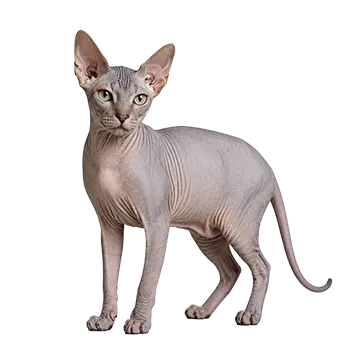

Breed Restrictions & Cat Legislation

Cats are far less likely than dogs to be targeted by breed-specific legislation, and the Donskoy is not subject to the kind of ownership bans that affect certain dog breeds in some jurisdictions. There is generally no law preventing an individual from keeping a Donskoy as a household pet where cat ownership itself is permitted.

That said, the broad legal landscape for cats is shaped by general animal-welfare and companion-animal statutes rather than breed-specific rules. These laws set baseline expectations for care, shelter, and humane treatment that apply to every cat regardless of breed.

Prospective owners should remember that local rules vary widely. The information here is general and educational, not legal advice, and anyone with a specific question about their area should consult their local authority or a qualified professional.

Ownership & Registration Requirements

Many regions require cats to be licensed, microchipped, or registered with a local authority, and these requirements typically apply to a Donskoy just as they would to any other cat. Microchipping in particular has become mandatory in a growing number of places and is widely regarded as best practice everywhere.

Separately from government registration, pedigree Donskoys are often registered with cat fancy organizations such as international or national registries. This pedigree registration is a private, voluntary matter tied to breeding and showing, and it is distinct from any legal licensing a municipality may require.

Owners acquiring a Donskoy from a breeder should expect documentation covering the cat's pedigree, vaccination history, and any health testing. Keeping these records organized helps with future veterinary care, travel, and compliance with local registration rules.

Health, Welfare & Breeding Regulations

Hairless cat breeds sit within an active and evolving welfare conversation. Because the trait that produces hairlessness is an inherited difference from the typical feline coat, some animal-welfare advocates and regulators have scrutinized the breeding of cats with pronounced physical distinctions, including hairless and folded-ear breeds.

In parts of Europe, lawmakers and welfare bodies have debated or proposed restrictions on breeding animals with traits considered potentially harmful to the animal's wellbeing. These discussions are ongoing and differ significantly from country to country, so the rules affecting Donskoy breeding in one nation may not apply in another. The picture can also change over time as new regulations are introduced or revised.

For pet owners simply keeping a Donskoy at home, these breeding-focused measures usually have little direct effect. For anyone considering breeding, however, it is essential to research the current rules in their specific jurisdiction. This overview is informational only and should not be treated as legal guidance.

Liability & Insurance

Cat owners generally carry less formal liability exposure than dog owners, since cats are rarely involved in the kinds of incidents that drive liability claims. Even so, owners remain responsible for their animals, and a Donskoy that causes damage or injury could in principle create liability depending on local law.

Pet insurance is a more practical consideration for most Donskoy owners. Hairless breeds can be prone to skin issues and are sensitive to temperature, and some insurers take breed into account when setting premiums or coverage terms. Reviewing a policy's treatment of breed-specific or pre-existing conditions before committing is sensible.

As always, the details depend on the provider and the region. Owners should read policy terms carefully and ask direct questions about what is and is not covered, rather than assuming a standard policy will address every breed-related need.

Housing & Rental Restrictions

The most common legal hurdle a Donskoy owner is likely to encounter is not a breed ban but a housing rule. Rental agreements, condominium bylaws, and homeowner association rules frequently restrict or prohibit pets, and these restrictions usually apply to cats generally rather than singling out any breed.

Where pets are allowed, landlords may impose limits on the number of animals, require additional deposits, or ask for proof of vaccination and registration. A Donskoy is treated the same as any other cat under such terms, so the practical task for owners is confirming that pets are permitted and understanding any conditions attached.

For owners who rent or live in managed communities, the best approach is to clarify the pet policy in writing before bringing a cat home. Doing so avoids disputes and ensures the cat's living situation is secure and compliant with the relevant agreements.

Import & Export Regulations

Because the Donskoy originated in Russia and remains more common in Eastern Europe, acquiring one in other parts of the world may involve international transport, which brings its own legal requirements. Moving a cat across borders typically requires up-to-date vaccinations, health certificates, microchip identification, and sometimes import permits or quarantine.

These rules are set by national governments and can be detailed and strict, particularly regarding rabies vaccination and timing. Requirements differ by country and by the direction of travel, so the documentation needed to bring a cat into one nation may be quite different from what another demands.

Anyone importing or exporting a Donskoy should begin researching well in advance, since some requirements involve waiting periods measured in months. Consulting the relevant government veterinary authority and working with an experienced breeder or pet-transport specialist helps ensure the process goes smoothly and lawfully. This section is general information, not legal advice.

Always consult a qualified professional before making any health-related decisions. This content is provided for informational reference only and should not replace professional guidance specific to your animal.