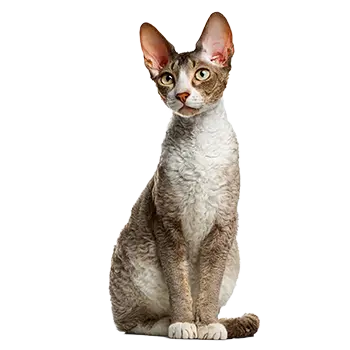

Breed-Specific Regulations

Unlike certain dog breeds, the Cornish Rex is not subject to breed-specific legislation in any major jurisdiction. Cats as a species are generally exempt from the type of breed-targeted restrictions that affect some dog breeds, and the Cornish Rex's gentle temperament and small-to-medium size place it well outside the scope of any dangerous animal classifications. Owners can typically keep a Cornish Rex without facing breed-related regulatory hurdles.

However, some jurisdictions impose general cat ownership regulations that apply regardless of breed. These may include mandatory microchipping, registration requirements, and limits on the number of cats that may be kept in a single household. Municipal ordinances vary widely, and owners should familiarize themselves with local regulations that could affect their ability to keep one or more Cornish Rex cats.

In some regions, there are specific regulations governing the breeding and sale of pedigree cats. These may include requirements for breeder licensing, health certification of breeding stock, and consumer protection laws that govern the sale of animals. Cornish Rex breeders operating commercially are typically subject to these regulations and must comply with applicable standards for animal welfare and sales practices.

Some countries and municipalities have enacted or considered regulations related to cats and wildlife protection, such as mandatory containment or curfew laws designed to reduce the impact of free-roaming cats on native wildlife. While these laws are not breed-specific, they are relevant to Cornish Rex owners, particularly since the breed's sensitivity to cold and lack of a protective outer coat already make indoor living the recommended arrangement for these cats.

Ownership Requirements

General cat ownership requirements vary by jurisdiction but typically include registration, vaccination, and identification mandates. Many municipalities require cats to be registered with local authorities and to carry identification, either through a collar and tag, a microchip, or both. In some areas, registration fees differ for altered versus intact animals, with higher fees or additional requirements imposed on unspayed or unneutered cats.

Vaccination requirements are common across most jurisdictions, with rabies vaccination being the most universally mandated. Some regions also require or strongly recommend vaccination against feline distemper, feline herpesvirus, and calicivirus. Cornish Rex owners should maintain current vaccination records, as proof of vaccination is often required for boarding, travel, and compliance with local animal control regulations.

Age restrictions on the sale or transfer of kittens exist in many jurisdictions, typically requiring that kittens be at least eight weeks old before they can be separated from their mother and placed in a new home. Some breed clubs and registries recommend or require that Cornish Rex kittens remain with the breeder until twelve to sixteen weeks of age to ensure proper socialization and health screening, which may exceed the legal minimum.

Owners who wish to breed Cornish Rex cats may face additional requirements depending on their location. Some jurisdictions require breeder permits or licenses, particularly for individuals producing more than a specified number of litters per year. Compliance with these requirements is important not only for legal standing but also for maintaining the reputation and ethical standards of the Cornish Rex breeding community.

Liability & Insurance

Cat owners carry certain legal liabilities related to their animals, and understanding these obligations is important for Cornish Rex owners. In most jurisdictions, pet owners can be held liable for damage or injury caused by their animals, including property damage, injuries to other animals, or in rare cases, injuries to people. While cats are far less commonly the subject of liability claims than dogs, the potential for liability exists and should not be overlooked.

Homeowner's and renter's insurance policies typically provide some coverage for pet-related incidents, but the specifics vary widely between insurers and policy types. Some policies exclude certain types of pet-related claims or impose limits on coverage. Cornish Rex owners should review their insurance policies to understand what protections are in place and whether additional coverage might be appropriate, particularly if they host visitors or live in multi-unit housing.

Pet health insurance is a separate but related consideration for Cornish Rex owners. While the breed is generally healthy, the cost of veterinary care for pedigree cats can be significant, particularly for unexpected emergencies or conditions that require specialist treatment. Pet insurance policies vary in their coverage of hereditary and breed-specific conditions, and Cornish Rex owners should compare policies carefully to find coverage that addresses the breed's potential health concerns.

Breeders face additional liability considerations, including potential claims related to the health or genetic condition of kittens they sell. Many breeders protect themselves through written contracts that include health guarantees, return policies, and spay/neuter agreements. These contracts serve both to manage the breeder's liability and to ensure the welfare of the cats they produce. Consulting with a legal professional familiar with animal law can help breeders develop appropriate contractual protections.

Housing Restrictions

Housing-related restrictions are among the most common legal challenges faced by cat owners, including those who keep Cornish Rex cats. Many rental properties, condominiums, and homeowners' associations impose restrictions on pet ownership that may limit the number, size, or type of animals permitted. While cats are generally more widely accepted than dogs in rental housing, restrictions still exist and can affect prospective Cornish Rex owners.

Lease agreements frequently include pet clauses that specify the number of pets allowed, require pet deposits or additional monthly fees, and impose conditions on pet behavior and maintenance. Some leases prohibit pets entirely, though enforcement and legal standing of blanket pet bans vary by jurisdiction. In some areas, tenants have legal protections that limit a landlord's ability to impose unreasonable pet restrictions.

Condominium and homeowner association rules may impose their own set of pet regulations, which can be more restrictive than municipal law. These may include limits on the number of animals, requirements for pets to be kept indoors, and provisions for the removal of animals that cause disturbances. Cornish Rex owners in such communities should review their association's governing documents carefully to ensure compliance.

For owners who require emotional support animals or service animals, additional legal protections may apply. Under certain housing laws, landlords and housing associations may be required to make reasonable accommodations for individuals with documented disabilities, which can include allowing a cat in a property that otherwise restricts pets. The specific requirements and protections vary by jurisdiction and are subject to documentation and verification processes that owners should understand before relying on these provisions.

Import & Export Regulations

International travel and relocation with a Cornish Rex requires compliance with a complex web of import and export regulations that vary significantly between countries. Most nations require a valid health certificate issued by an accredited veterinarian within a specified timeframe before departure, proof of current rabies vaccination, and in some cases, additional testing or quarantine upon arrival.

The European Union, the United Kingdom, and several other regions require cats entering from abroad to carry an EU Pet Passport or equivalent documentation showing current rabies vaccination and, where applicable, rabies titer test results. Some countries impose waiting periods between vaccination or testing and permitted entry, which can range from weeks to months. Cornish Rex owners planning international moves should begin the documentation process well in advance to avoid delays.

Quarantine requirements remain in effect in some countries and territories, though many have relaxed or eliminated mandatory quarantine in favor of documentation-based entry systems. Countries with strict biosecurity protocols, such as Australia and New Zealand, maintain extended quarantine periods for imported cats and require compliance with detailed pre-import treatment and testing protocols. The costs and logistical demands of quarantine can be significant and should be factored into relocation planning.

Export regulations in the country of origin must also be satisfied before departure. These may include export health certificates, CITES documentation if applicable, and compliance with airline or transport company requirements for live animal shipment. Cornish Rex breeders who sell kittens internationally must ensure compliance with both the exporting and importing country's regulations, and many work with specialized pet transport services to manage the process. Owners and breeders should consult current government resources and, where necessary, professional pet relocation services to ensure full compliance with all applicable rules.

Rescue & Adoption Law

The legal framework surrounding cat rescue and adoption affects Cornish Rex cats that enter the shelter and rescue system, though the breed's relative rarity means that breed-specific rescues handle most rehoming cases rather than general shelters. Rescue organizations operate under a variety of legal structures, including registered charities, nonprofit corporations, and informal foster networks, each with different legal obligations and protections.

Adoption contracts are a standard feature of rescue and rehoming processes and serve as the primary legal instrument governing the transfer of ownership. These contracts typically include provisions for spay/neuter requirements, return policies, home visit agreements, and restrictions on future rehoming without the rescue organization's involvement. Cornish Rex breed rescues often include additional provisions related to the breed's specific care requirements, such as indoor-only housing mandates.

Stray hold laws in many jurisdictions require shelters and rescue organizations to hold animals for a specified period before making them available for adoption, allowing potential owners to reclaim lost pets. These holding periods vary by location and may range from a few days to several weeks. For microchipped or tattooed cats like many pedigree Cornish Rex, identification technology can expedite the reunification process when a cat is found and brought to a shelter.

The legal status of rescue organizations and their volunteers is an evolving area of law in many jurisdictions. Some regions have enacted specific protections for animal rescue workers, while others apply general nonprofit or volunteer liability frameworks. Individuals involved in Cornish Rex rescue should understand the legal protections available to them and ensure that their organizations maintain appropriate insurance coverage and comply with applicable animal welfare regulations and reporting requirements.

Always consult a qualified professional before making any health-related decisions. This content is provided for informational reference only and should not replace professional guidance specific to your animal.