
Film & Television

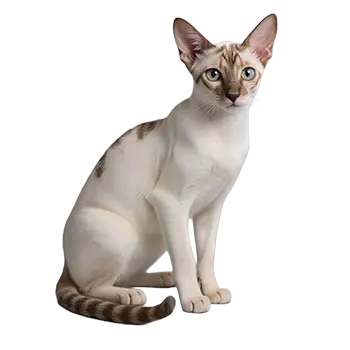
Colorpoint Shorthairs share much of their screen legacy with the broader Siamese family, as filmmakers and television producers have long favored the elegant, pointed look for feline characters. Because the Colorpoint Shorthair is visually similar to the Siamese, cats fitting the breed's description have appeared in productions where a striking, recognizable feline presence was needed. The breed's alert expression, vivid blue eyes, and graceful movement translate well on camera.

Siamese-type cats have appeared in numerous films and television series over the decades, often cast in roles that emphasize their intelligence and vocal nature. While productions rarely specify the exact breed or registry classification of their feline actors, cats with lynx point and red point coloring consistent with Colorpoint Shorthair standards have been spotted in various screen roles. Animal trainers have noted that the breed's people-oriented temperament and willingness to engage with handlers make them cooperative performers.

The challenge for Colorpoint Shorthairs in film and television is that they are frequently identified simply as Siamese by audiences and media outlets. This lack of distinction means the breed rarely receives specific credit, even when individual cats matching the Colorpoint Shorthair standard have been cast. For breed enthusiasts, these appearances represent missed opportunities for public education about the differences between Siamese and Colorpoint Shorthair classifications.

Documentary programs about cat breeds and the cat fancy have occasionally featured Colorpoint Shorthairs as part of broader segments on the Siamese family. These appearances tend to focus on the breeding history and color genetics that distinguish the Colorpoint Shorthair, providing valuable exposure for a breed that might otherwise be overlooked by general audiences.

Literature & Art

In literature, Siamese-type cats have been featured prominently in both fiction and nonfiction for decades. Mystery novels, children's books, and literary fiction have all drawn on the Siamese archetype of the clever, talkative cat. While few works specifically name the Colorpoint Shorthair, characters described as Siamese with non-traditional point colors effectively describe the breed, and readers familiar with cat breeds may recognize these portrayals.

Cat breed encyclopedias, care guides, and fancier publications regularly include the Colorpoint Shorthair in their coverage. These reference works have been important in establishing the breed's identity as distinct from the Siamese, providing detailed descriptions of the accepted colors, breed history, and care requirements. For many prospective owners, these books serve as their first introduction to the breed.

In the visual arts, pointed cats have been popular subjects for painters, illustrators, and photographers. The dramatic contrast between light body color and darker points creates visually compelling compositions, and the Colorpoint Shorthair's range of point colors offers artists a broader palette than the traditional Siamese. Cat art calendars, greeting cards, and prints frequently feature cats that match the Colorpoint Shorthair description.

Breed-specific publications produced by cat clubs and registries have also contributed to the Colorpoint Shorthair's presence in print. These newsletters and yearbooks document the breed's show ring achievements, profile outstanding cats and catteries, and provide a written record of the breed's development over time.

Internet & Social Media

The rise of social media has been a significant development for the Colorpoint Shorthair's public profile. Platforms centered on visual content have proven ideal for showcasing the breed's vivid colors and expressive faces. Owners and breeders share photographs and videos that highlight the Colorpoint Shorthair's distinctive appearance, often reaching audiences far larger than those at traditional cat shows.

Colorpoint Shorthairs with lynx point markings have proven particularly photogenic on social media, as the tabby stripes at the points create intricate, eye-catching patterns. Videos of these cats vocalizing, playing, or interacting with their owners frequently attract engagement from viewers who are drawn to the breed's animated personality. The breed's reputation for being talkative translates well into short video formats where audio adds an entertaining dimension.

Online cat communities and forums provide spaces where Colorpoint Shorthair enthusiasts can connect, share breeding knowledge, and discuss the nuances of the breed standard. These communities have been valuable in educating the public about the distinction between Colorpoint Shorthairs and Siamese, a topic that generates frequent discussion among cat fanciers.

Breeder websites and online catteries have expanded the breed's reach by making it easier for prospective owners to find Colorpoint Shorthair kittens regardless of their geographic location. The ability to view photographs of available kittens, research pedigrees, and communicate with breeders online has transformed the process of acquiring a Colorpoint Shorthair, making the breed accessible to a wider audience than ever before.

Advertising & Branding

Siamese-type cats, including those matching the Colorpoint Shorthair description, have appeared in advertising campaigns for pet food, cat litter, and other pet-related products. Their photogenic qualities and recognizable appearance make them effective ambassadors for brands seeking to associate their products with elegance and discernment. The breed's slender silhouette and bright blue eyes photograph well and create strong visual impact in both print and digital media.

Pet industry brands occasionally feature Colorpoint Shorthairs in marketing materials aimed at owners of pedigree cats, positioning their products as suitable for the specific needs of purebred felines. These appearances help normalize the breed in the public eye and contribute to the perception that Colorpoint Shorthairs are a premium companion animal.

Beyond the pet industry, pointed cats have appeared in lifestyle and fashion advertising, where their sleek appearance complements the aesthetic of luxury brands. While these advertisements typically do not identify the specific breed, the use of cats that match the Colorpoint Shorthair profile contributes to the breed's association with sophistication and style.

Cat show sponsors and feline health organizations have also used images of Colorpoint Shorthairs in their promotional materials. These appearances help raise the breed's profile within the cat fancy and encourage public engagement with cat shows and feline welfare initiatives.

The Popularity Effect

Media exposure of Siamese-type cats has historically driven spikes in demand for pointed breeds, and the Colorpoint Shorthair has benefited from this trend. When films or television shows feature elegant pointed cats, inquiries to breeders of both Siamese and Colorpoint Shorthairs tend to increase. This phenomenon illustrates the powerful influence that media representations can have on consumer preferences for specific cat breeds.

The popularity effect carries both benefits and risks for the breed. Increased demand can bring financial support and new enthusiasts to breeding programs, helping to sustain the breed's population and genetic diversity. However, sudden surges in popularity can also attract uninformed buyers and irresponsible breeders who prioritize volume over health and temperament, potentially compromising the breed's welfare.

Responsible Colorpoint Shorthair breeders have responded to media-driven interest by emphasizing education and screening of prospective owners. Many breeders require potential buyers to complete questionnaires, participate in interviews, and agree to spay or neuter contracts before placing kittens. This careful approach helps ensure that cats placed in homes as a result of media-driven interest receive appropriate care throughout their lives.

The breed's relatively small population compared to the Siamese means that media-driven demand can sometimes exceed supply, leading to waiting lists and higher prices. This scarcity can have the paradoxical effect of increasing the breed's cachet while also encouraging some buyers to explore other pointed breeds or to consider adopting pointed cats from shelters and rescue organizations.

Always consult a qualified professional before making any health-related decisions. This content is provided for informational reference only and should not replace professional guidance specific to your animal.