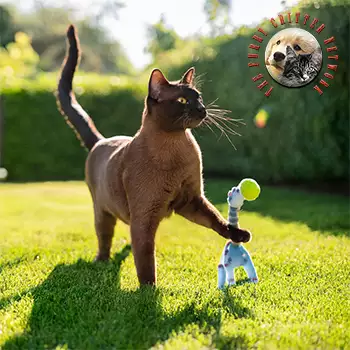

Unlike certain dog breeds, cats—including the Burmese—are rarely subject to breed-specific legislation (BSL) in most jurisdictions. BSL has historically targeted dog breeds perceived as dangerous, and domestic cats of all breeds are generally exempt from these frameworks. Burmese owners can take comfort in knowing that the breed faces no widespread legislative restrictions based on its breed identity alone.
However, cat owners should be aware that some localities have enacted general feline-related ordinances that apply to all breeds. These may include mandatory licensing or registration, limits on the number of cats that may be kept in a single household, and requirements related to spaying and neutering. While these laws are not breed-specific, they affect Burmese owners just as they affect owners of any other domestic cat breed.
In some regions, particularly in parts of Australia and New Zealand, cat containment laws require that cats be kept indoors or within enclosed outdoor spaces at all times. These regulations are designed to protect native wildlife from predation by domestic cats and apply regardless of breed. Burmese owners in these areas must ensure their cats are housed in compliance with local containment requirements, which may involve investing in catios, secure fencing systems, or other containment solutions.
It is worth noting that regulations change over time and vary significantly between jurisdictions. Prospective and current Burmese owners are encouraged to research the specific laws applicable to their municipality, county, and state or national government to ensure full compliance. Local animal control offices and breed clubs can be valuable resources for navigating these regulatory landscapes.