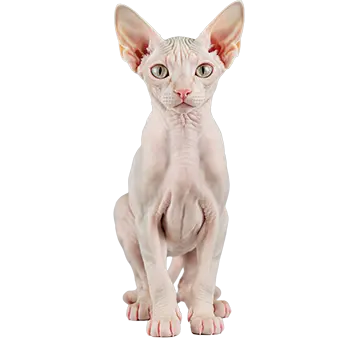

Film & Television

The Bambino has not yet established a major presence in film and television, in part because it is such a young and uncommon breed. Where hairless cats appear on screen, the role has traditionally gone to the better-known Sphynx, whose dramatic look has made it a recurring choice for productions that want a cat to read as exotic, eccentric, or mysterious.

Because the Bambino shares the Sphynx's bare skin and large ears, it benefits indirectly from this screen presence. Audiences who encounter a hairless cat in a film or series are often primed to find the Bambino fascinating when they meet one in real life. The breed's short legs, however, give it a distinct silhouette that has not yet been widely used by casting directors.

As the breed becomes more familiar, it is plausible that the Bambino will appear more often in visual media that prizes unusual animals. For now, its on-screen footprint remains modest, and most of its public visibility comes from other channels rather than scripted entertainment.

Literature & Art

In literature and the visual arts, the Bambino occupies the same emerging niche as other novelty breeds: present in enthusiast publications and breed guides but not yet woven into the broader cultural canon. Books about unusual or designer cats frequently feature the breed as an example of how far modern breeding has diversified the domestic cat.

Artists drawn to the unusual have begun to find the Bambino a compelling subject. Its smooth skin, folds, and expressive face lend themselves to portraiture and illustration, and the breed appears in contemporary pet art that celebrates the strange and the striking. This artistic interest mirrors the long tradition of hairless cats inspiring curiosity in painters and illustrators.

The breed's literary and artistic profile is still being written. As its population grows and its cultural footprint expands, the Bambino is likely to feature more prominently in the kinds of books, prints, and illustrations that document the world's most distinctive cats.

Internet & Social Media

It is online, more than anywhere else, that the Bambino has found its audience. The breed is tailor-made for the visual culture of social media, where its unusual appearance stops the scroll and invites comment. Dedicated accounts following individual Bambinos accumulate substantial followings, and the breed regularly appears in posts and videos celebrating unusual cats.

The internet has also served an educational function for the breed. Owners use social platforms to share the realities of Bambino care, including frequent bathing, skin maintenance, and the need to keep these cats warm. These candid glimpses help curious viewers understand that the breed's striking look comes with real responsibilities.

Social media has arguably done more than any other medium to introduce the Bambino to the public. For a breed too young and too rare to have a long media history, this online visibility has become the primary way that most people first encounter it.

Advertising & Branding

Advertisers have long understood that an unexpected image captures attention, and hairless cats have featured in campaigns that want to signal the unconventional or the luxurious. The Bambino, with its small size and distinctive shape, fits this role well, even if the more recognizable Sphynx still appears more often in commercial imagery.

When the breed does appear in advertising and branding, it tends to be used to convey novelty, exclusivity, or a playful sense of the unusual. Its kitten-like proportions soften the surprise of its hairlessness, making it a versatile choice for brands that want to be eye-catching without being intimidating.

As recognition of the breed grows, marketers may increasingly distinguish the Bambino from its Sphynx relative and use its particular look for specific creative purposes. For the moment, its commercial appearances remain occasional, riding largely on the broader appeal of hairless cats.

The Popularity Effect

Heightened visibility brings both benefits and risks for an unusual breed like the Bambino. Increased public interest can support responsible breeders, raise awareness of the breed's care needs, and build supportive communities of owners. When that interest is paired with good information, it helps ensure that the cats end up in homes prepared to meet their requirements.

The same popularity, however, can attract demand that outpaces ethical supply. Rising interest in striking breeds sometimes encourages careless breeding that prioritizes appearance over health, a particular concern for a breed that combines two mutations. Welfare advocates emphasize that prospective owners should research thoroughly and seek out breeders who test for health and breed responsibly.

The popularity effect therefore cuts both ways. The media attention that has introduced the Bambino to the world also places a responsibility on that audience to approach the breed thoughtfully, recognizing that behind the memorable image is a living animal with specific and ongoing needs.

Always consult a qualified professional before making any health-related decisions. This content is provided for informational reference only and should not replace professional guidance specific to your animal.