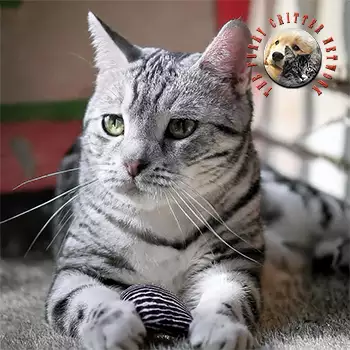

Unlike certain dog breeds that face widespread breed-specific legislation, domestic cat breeds in the United States are generally not subject to breed-based restrictions or bans. The American Wirehair, as a fully domestic, non-hybrid cat breed, does not fall under any breed-specific legislation in any known jurisdiction. Cat-related breed restrictions typically target hybrid breeds with recent wild ancestry, such as early-generation Bengals or Savannah cats, and the American Wirehair has no wild heritage whatsoever.
Some municipalities have enacted general cat-related ordinances that apply to all domestic cats regardless of breed. These may include mandatory licensing requirements, leash laws, limits on the number of cats that can be kept in a single household, and mandatory spay and neuter provisions. American Wirehair owners should familiarize themselves with the local ordinances in their specific city, county, and state to ensure full compliance. These regulations vary widely across jurisdictions and can change over time.
In countries outside the United States, domestic cat regulations similarly tend to apply to all breeds equally rather than targeting specific breeds. The American Wirehair's status as a recognized domestic breed with no wild ancestry means it is unlikely to encounter breed-specific barriers in any jurisdiction. However, some countries or regions have enacted comprehensive cat management laws that may affect ownership, outdoor access, or breeding activities for all cat breeds.
Prospective American Wirehair owners who are considering purchasing a kitten from a breeder in another state or country should research whether any transit regulations, health certificate requirements, or import restrictions apply to their specific situation. While these regulations are not breed-specific, they are relevant to any pedigreed cat purchase that involves crossing jurisdictional boundaries.