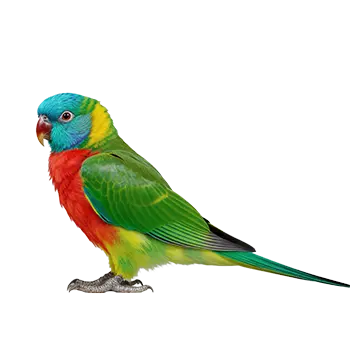

Australian Federal Wildlife Law

The Splendid Parakeet is protected under Australian federal legislation, most significantly the Environment Protection and Biodiversity Conservation Act 1999 (EPBC Act), which governs the conservation of native species and their habitats across the Commonwealth. Under this framework, all native Australian birds, including the Splendid Parakeet, are afforded baseline protections that prohibit the taking, killing, or injuring of wild individuals without specific authorization. The EPBC Act also regulates the export of native wildlife and wildlife products, maintaining the longstanding Australian policy of preventing the commercial extraction of native fauna for international trade.

Australia's prohibition on the export of native birds dates effectively to 1960, when amendments to the Wildlife Protection (Regulation of Exports and Imports) Act closed the legal channels through which Australian parrots had been shipped to international markets for over a century. This ban remains in force and is one of the most consequential pieces of wildlife legislation affecting the Splendid Parakeet's global status. Because no legal export of wild-caught or captive-bred Splendid Parakeets from Australia has occurred for decades, all birds held in aviculture outside Australia descend from stock that left the country before the ban or, in rare and often legally ambiguous cases, from birds that entered international breeding populations through unofficial channels.

The federal framework also interacts with Australia's obligations under the Convention on International Trade in Endangered Species of Wild Fauna and Flora (CITES). While the Splendid Parakeet is not individually listed under CITES appendices in the same way that critically endangered species are, all Psittaciformes (parrots) are covered under CITES Appendix II unless specifically listed elsewhere. This means that any international trade in the species, whether involving live birds, eggs, or feathers, requires the issuance of appropriate CITES permits by the exporting and importing countries, even when the birds in question are captive-bred.

Enforcement of federal wildlife law in Australia is carried out by the Department of Climate Change, Energy, the Environment and Water, supported by the Australian Border Force, which monitors international mail, freight, and passenger traffic for illegal wildlife movements. Penalties for violations of the EPBC Act can include substantial fines and imprisonment, reflecting the seriousness with which Australia treats offenses against its native fauna. For prospective keepers within Australia, the practical implication of this federal framework is that ownership of Splendid Parakeets is lawful but regulated, with specific requirements varying by state and territory.

State & Territory Regulations in Australia

Within Australia, the keeping and breeding of native birds is regulated at the state and territory level, and the requirements applicable to the Splendid Parakeet differ meaningfully across jurisdictions. In New South Wales, the species is classified under the Biodiversity Conservation Act 2016, and keepers must hold a biodiversity conservation licence with the appropriate class endorsement for native birds. The licensing system is tiered, with different classes reflecting the experience level of the keeper and the conservation sensitivity of the species being held. The Splendid Parakeet is generally categorized at a level accessible to moderately experienced aviculturists rather than restricted to advanced permit holders.

In South Australia, where the species occurs naturally across much of the arid interior, the keeping of native birds is governed by the National Parks and Wildlife Act 1972 and associated regulations. Permits are required, and record-keeping obligations apply, including the maintenance of a register of birds held and bred. South Australian authorities have historically taken a pragmatic approach to aviculture, recognizing the cultural and economic significance of bird keeping in the state while maintaining regulatory oversight sufficient to discourage illegal collection from the wild.

Victoria, Western Australia, and Queensland each maintain their own licensing frameworks, with requirements that range from simple registration systems to more detailed permit structures involving annual returns and inspections. Western Australia, which encompasses a significant portion of the Splendid Parakeet's western range, imposes specific restrictions on the collection of native fauna from the wild and requires that all captive birds be leg-banded or otherwise individually identified. Tasmanian regulations differ again, reflecting the island state's distinct biosecurity priorities and the fact that the Splendid Parakeet does not occur naturally within its borders.

The variation among jurisdictions can create confusion for keepers who relocate between states or who wish to sell or transfer birds across state lines. Interstate movement of native birds typically requires notification to or approval from the relevant wildlife authority in both the originating and receiving jurisdictions. Prospective Splendid Parakeet keepers in Australia are strongly advised to consult the wildlife agency in their specific state or territory before acquiring birds, as the penalties for non-compliance, even inadvertent non-compliance, can include the confiscation of stock and the imposition of fines.

CITES & International Trade Framework

The Convention on International Trade in Endangered Species of Wild Fauna and Flora (CITES) provides the primary international legal framework governing the cross-border movement of Splendid Parakeets. As members of the order Psittaciformes, all parrots are listed under CITES Appendix II unless they appear on Appendix I, which applies to species facing the most acute risk of extinction. The Splendid Parakeet falls under the Appendix II listing, meaning that international trade in the species is permitted but regulated, requiring export permits issued by the CITES Management Authority of the exporting country and, depending on national legislation, import permits from the receiving country.

For captive-bred Splendid Parakeets traded between countries outside Australia, the CITES permit process involves demonstrating that the birds were bred in captivity and that the transaction will not be detrimental to the survival of the species in the wild. Breeders who export birds commercially are typically required to register their facilities with their national CITES authority, and each shipment must be accompanied by the appropriate documentation. The process can be time-consuming and bureaucratically demanding, but it serves the essential function of maintaining a paper trail that deters laundering of wild-caught birds as captive-bred stock.

The effectiveness of CITES enforcement varies considerably by country. Nations with well-resourced wildlife agencies and established avicultural communities, such as Germany, the Netherlands, Belgium, and the United Kingdom, generally maintain robust permitting and inspection regimes that minimize illegal trade. In other regions, limited enforcement capacity and high demand for exotic birds create conditions in which documentation may be falsified or shipments may move through poorly monitored channels. The Splendid Parakeet's relatively high value in some markets can make it a target for smuggling, though the scale of illegal trade in this species is modest compared to that involving larger, rarer parrots.

Prospective buyers and sellers of Splendid Parakeets engaged in international transactions should be prepared to navigate a multi-layered permitting process that involves both CITES authorities and national or subnational wildlife agencies. Failure to obtain the correct permits can result in the seizure of birds at border crossings, criminal prosecution, and permanent bans from holding wildlife. Working with established avicultural organizations and experienced customs brokers familiar with live animal shipments is the most reliable way to ensure compliance with the complex web of regulations that governs international parrot trade.

Ownership Laws in North America

In the United States, the Splendid Parakeet is legal to own, breed, and sell in most jurisdictions, provided that the birds are captive-bred and that applicable federal and state regulations are followed. At the federal level, the species is not listed under the Endangered Species Act and is not subject to the Wild Bird Conservation Act's import restrictions in the same manner as species identified as threatened by international trade, though CITES documentation is required for any birds entering or leaving the country. The Lacey Act, which prohibits trade in wildlife taken in violation of domestic or foreign law, applies broadly and can be invoked if birds are found to have been illegally imported or obtained.

State-level regulations introduce additional variability. Some states require permits or licenses for the keeping of non-domestic birds, while others impose no specific restrictions on species that are not native to North America and are not classified as invasive or potentially harmful. A handful of states and municipalities maintain lists of prohibited or restricted species that may include certain parrots, though the Splendid Parakeet rarely appears on such lists due to its small size, quiet disposition, and negligible invasive potential in North American climates. Keepers should nevertheless verify the regulations applicable in their specific state and locality before acquiring birds.

Canadian regulations governing the ownership of exotic birds are administered at both the federal and provincial levels. The Wild Animal and Plant Protection and Regulation of International and Interprovincial Trade Act (WAPPRIITA) implements Canada's CITES obligations and regulates the import and interprovincial transport of species listed under the convention. Provincial wildlife and agriculture ministries may impose additional requirements, including permits for the keeping of exotic avian species and inspections of facilities used for breeding. As in the United States, the specifics vary by province, and prospective keepers in Canada are advised to consult both federal and provincial authorities.

The North American avicultural community benefits from a relatively transparent and well-organized marketplace, with established breeders, avicultural societies, and online platforms facilitating the legal sale and exchange of Splendid Parakeets. Buyers are encouraged to request documentation confirming the provenance of any birds they purchase, including band numbers, breeder records, and, where applicable, CITES permits for imported stock. This due diligence not only protects the buyer from legal liability but also supports the broader goal of maintaining a traceable and legally compliant captive population.

European Union & United Kingdom Regulations

The European Union maintains one of the most comprehensive regulatory frameworks for the keeping and trade of exotic birds, and the Splendid Parakeet falls squarely within its scope. EU wildlife trade regulations implement CITES at the regional level and in some cases impose stricter requirements than the convention itself mandates. Under Council Regulation (EC) No. 338/97 and its implementing regulations, the import of Psittaciformes into the EU requires CITES permits and may be subject to additional conditions, including veterinary health checks and quarantine periods designed to prevent the introduction of avian diseases.

Within the EU, individual member states retain the authority to impose national regulations that supplement the Union-wide framework. Germany, which hosts one of the largest and most active avicultural communities in the world, requires the registration of parrots and parakeets with local veterinary authorities and mandates minimum housing standards for captive birds. The Netherlands, Belgium, and France have their own regulatory structures, which may include licensing requirements, breeding permits, and restrictions on the sale of birds at markets or exhibitions. The specifics of these national regimes can differ substantially, and breeders or keepers who operate across borders within the EU must navigate a patchwork of requirements.

The United Kingdom, following its departure from the European Union, has established its own regulatory framework for wildlife trade under the Control of Trade in Endangered Species Regulations 2018 (COTES), which implements CITES obligations domestically. The Animal and Plant Health Agency (APHA) serves as the UK's CITES Management Authority and oversees the issuance of permits for the import, export, and re-export of listed species. Splendid Parakeets bred within the UK can be sold domestically without CITES documentation, provided they are identifiable through closed leg bands or microchips, but any international transactions require the standard permitting process.

Animal welfare legislation in both the EU and the UK adds a further layer of legal obligation for Splendid Parakeet keepers. The Animal Welfare Act 2006 in England and Wales, for example, imposes a duty of care on anyone responsible for an animal, requiring that its needs for a suitable environment, appropriate diet, the ability to exhibit normal behavior patterns, housing with or apart from other animals as appropriate, and protection from pain, suffering, injury, and disease are all met. Similar legislation exists in Scotland, Northern Ireland, and across EU member states. While these provisions are rarely invoked against bird keepers who maintain reasonable standards of husbandry, they establish a legal baseline that can be enforced through inspections and, in serious cases, prosecution.

Enforcement, Compliance & Best Practices

Effective compliance with the legal requirements surrounding Splendid Parakeet ownership depends on a combination of awareness, documentation, and engagement with the avicultural and regulatory communities. The single most important step a keeper or breeder can take is to maintain thorough records of all birds in their possession, including acquisition dates, sources, band or microchip numbers, breeding outcomes, and any sales or transfers. These records serve as both a management tool and a legal safeguard, providing evidence of lawful provenance in the event of an inquiry by wildlife authorities.

Leg banding is the most widely used method of individual identification for captive Splendid Parakeets. Closed aluminum or stainless-steel bands applied to chicks in the nest within the first days of life provide a permanent, tamper-evident marker that links a bird to a specific breeder and hatch year. Some jurisdictions mandate banding for all captive-bred native or CITES-listed species, while others accept alternative identification methods such as microchipping. Regardless of legal requirements, banding is considered best practice within the avicultural community and is essential for participation in studbook programs or cooperative breeding schemes.

Keepers should be aware that wildlife enforcement agencies in many countries have become increasingly sophisticated in their ability to detect illegal trade. Advances in forensic genetics allow investigators to determine whether a bird is wild-caught or captive-bred, and isotope analysis can reveal the geographic origin of specimens whose provenance is disputed. Online marketplace monitoring, coordinated international enforcement operations, and partnerships between government agencies and conservation organizations have all contributed to a more challenging environment for those who attempt to circumvent wildlife trade regulations.

Engagement with reputable avicultural societies and breed-specific clubs is one of the most effective ways for Splendid Parakeet keepers to stay informed about regulatory changes and evolving best practices. These organizations typically maintain relationships with wildlife authorities and can provide members with timely guidance on permit requirements, legislative amendments, and enforcement priorities. In many countries, avicultural societies also serve as advocates for responsible bird keeping, working to ensure that regulations are proportionate, evidence-based, and supportive of the conservation goals that underpin wildlife trade law. Proactive compliance, rather than reactive response to enforcement actions, is the foundation of sustainable and legally secure aviculture.

Always consult a qualified professional before making any health-related decisions. This content is provided for informational reference only and should not replace professional guidance specific to your animal.