
Film & Television

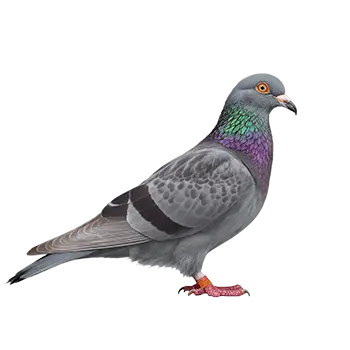
Pigeons have appeared in film and television in a variety of roles, though they are more often cast as urban background characters than as featured performers. Animated films have given pigeons some of their most memorable screen moments, portraying them as comic sidekicks, bumbling city dwellers, or surprisingly heroic figures. These portrayals tend to draw on the common rock pigeon rather than specific fancy breeds, but they contribute to the broader cultural profile that fancy pigeon enthusiasts both benefit from and work to refine.

Documentary programming has provided a more nuanced view of the fancy pigeon world. Television documentaries and reality-style series have followed competitive pigeon breeders as they prepare for shows, revealing the dedication, expertise, and deep personal investment that fanciers bring to the hobby. These programs have introduced mainstream audiences to the astonishing visual diversity of fancy breeds, from the extravagant plumage of the Jacobin to the proud bearing of the English Carrier.

Mike Tyson's television series focused on his pigeon loft brought significant visibility to urban pigeon keeping. The show depicted the day-to-day realities of maintaining a loft in a major city, the emotional bonds between keeper and birds, and the competitive dynamics of the pigeon fancy. It challenged common misconceptions about pigeons as mere pests and presented them as valued companions deserving of careful breeding and attentive care.

Fancy pigeons have also appeared as visual elements in period dramas and historical films set in eras when pigeon keeping was a widespread aristocratic pursuit. Dovecotes and ornamental pigeon lofts serve as atmospheric set dressing in productions depicting Renaissance and Victorian settings, subtly reinforcing the historical association between fancy pigeons and cultured society.

Literature & Art

Pigeons occupy a significant place in world literature, appearing in works ranging from ancient religious texts to contemporary fiction. The dove, closely related to the domestic pigeon, features prominently in the Hebrew Bible, the New Testament, and the Quran. In secular literature, pigeons have served as symbols of urban life, resilience, perseverance, and the complex relationship between nature and civilization.

Charles Darwin's scientific writings on pigeon variation constitute a unique literary contribution, blending meticulous observation with persuasive argumentation. His descriptions of fancy pigeon breeds in On the Origin of Species and The Variation of Animals and Plants Under Domestication are considered masterpieces of scientific prose and introduced fancy pigeons to an intellectual audience far beyond the breeding community.

In the visual arts, pigeons and doves have been depicted by artists across cultures and centuries. From Roman mosaics featuring doves drinking from a fountain to Picasso's iconic dove of peace, the bird has been a recurring motif in painting, sculpture, and decorative art. Fancy pigeon breeds, with their dramatic forms and vivid colors, have inspired illustrators and natural history artists to produce detailed breed portraits that function as both scientific reference and aesthetic achievement.

Contemporary literature occasionally explores pigeon keeping as a lens through which to examine class, community, and urban identity. Novels and short stories set in working-class neighborhoods sometimes feature pigeon lofts as gathering places and symbols of tradition in a changing world, reflecting the real social role that pigeon keeping has played in many urban communities.

Internet & Social Media

The internet has been transformative for the fancy pigeon community. Platforms like Instagram, YouTube, TikTok, and Facebook host thriving communities of pigeon enthusiasts who share photographs, breeding updates, and educational content with audiences that would have been unreachable in the pre-digital era. High-quality photography and video have proven especially powerful tools for showcasing the visual appeal of fancy breeds, and viral posts featuring unusual pigeon varieties regularly introduce the hobby to new audiences.

YouTube channels dedicated to pigeon breeding and loft management have become valuable educational resources. Experienced fanciers produce detailed videos covering topics from breed selection and genetics to loft construction and health management. These channels often attract tens of thousands of subscribers and serve as virtual mentorship platforms for newcomers to the hobby.

Social media has also facilitated the buying, selling, and trading of fancy pigeons across geographic boundaries. Online marketplaces and breed-specific groups enable fanciers to locate rare varieties, arrange shipping, and build networks that span continents. This connectivity has accelerated genetic exchange between populations that were historically isolated, benefiting breed diversity but also raising questions about biosecurity and the preservation of regional breeding traditions.

The meme culture surrounding pigeons has given the birds an unexpected boost in pop culture visibility. Humorous pigeon content, often featuring common urban pigeons rather than fancy breeds, circulates widely and generates affection for the species as a whole. Fancy pigeon fanciers have leveraged this cultural moment by sharing striking images of ornamental breeds alongside more lighthearted content, drawing curious viewers deeper into the hobby.

Advertising & Branding

The pigeon's cultural associations with peace, home, and reliability have made it a recurring motif in advertising and corporate branding. White doves and fantail pigeons appear in marketing materials for wedding services, greeting card companies, and organizations associated with peace and reconciliation. The clean, symmetrical silhouette of a fantail pigeon in particular has proven versatile as a logo element and decorative motif.

Historically, pigeon imagery was prominent in the branding of postal and courier services, reflecting the bird's ancient association with message delivery. Although modern logistics companies have largely moved on to other visual identities, the carrier pigeon remains a widely recognized symbol of communication and connection, and it still surfaces in branding for companies that wish to evoke tradition and dependability.

Fancy pigeon breeds have occasionally appeared in fashion and luxury branding, their elaborate plumage and striking forms serving as visual metaphors for craftsmanship, rarity, and refined taste. High-end textile designers have drawn inspiration from the color patterns and feather textures of breeds like the Frillback and the Old German Owl, translating avian aesthetics into fabric prints and embellishments.

The fancy pigeon community itself has developed its own branding ecosystem, with breed clubs, national organizations, and pigeon supply companies producing logos, merchandise, and promotional materials that celebrate specific breeds. Show catalogs, breed posters, and commemorative items form a small but dedicated market that reinforces breed identity and community cohesion.

The Popularity Effect

Media exposure has had a measurable impact on public interest in fancy pigeons, though the relationship between visibility and popularity is complex. Television appearances and viral social media posts tend to generate short-term spikes in inquiries from prospective keepers, but converting casual interest into long-term participation requires the kind of mentorship and community support that breed clubs have traditionally provided.

The portrayal of pigeons in media also influences public perception in ways that affect the hobby indirectly. Negative depictions of urban pigeons as dirty or disease-ridden can create headwinds for fancy pigeon keepers, who must sometimes educate neighbors and local authorities about the differences between feral populations and carefully maintained exhibition birds. Conversely, positive media coverage of pigeon shows, heritage breeds, or celebrity fanciers can shift public attitudes and make it easier for keepers to maintain lofts in urban and suburban areas.

The internet era has made the fancy pigeon hobby more accessible than at any previous point in its history. Prospective fanciers can now research breeds, watch care tutorials, and connect with experienced mentors without needing to live near an established pigeon community. This democratization of knowledge has broadened the hobby's demographic reach and attracted participants from backgrounds that were historically underrepresented in the fancy.

Despite these gains, breed clubs and advocacy organizations recognize that sustained growth depends on more than media moments. Long-term engagement strategies, including youth programs, school visits, and partnerships with agricultural fairs, aim to build durable interest in fancy pigeons by giving newcomers hands-on experience with the birds and direct access to the mentoring relationships that have always been the backbone of the fancying community.

Always consult a qualified professional before making any health-related decisions. This content is provided for informational reference only and should not replace professional guidance specific to your animal.