
International Trade Regulations & CITES

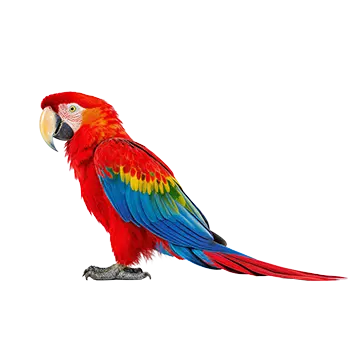
The Scarlet Macaw is listed under Appendix I of the Convention on International Trade in Endangered Species of Wild Fauna and Flora (CITES), which imposes the most restrictive level of trade controls on the species. Under Appendix I, international commercial trade in wild-caught Scarlet Macaws is effectively prohibited. Any cross-border movement of Scarlet Macaws — whether for sale, breeding, exhibition, or personal ownership — requires permits from both the exporting and importing countries, and transactions must be demonstrated to be non-detrimental to the survival of the species in the wild.

CITES regulations apply to all 184 member nations (parties) of the convention, though enforcement capacity and political will vary significantly across countries. For captive-bred Scarlet Macaws, trade may be permitted under Appendix I provisions if the breeder is registered with the appropriate national CITES management authority and can document the captive-bred origin of the birds. Breeders in the United States must work through the U.S. Fish and Wildlife Service (USFWS), which administers CITES permit applications and maintains records of legal captive-bred parrot transactions.

The distinction between wild-caught and captive-bred birds is central to CITES enforcement and is a frequent point of regulatory scrutiny. Fraudulent documentation — where wild-caught birds are passed off as captive-bred to circumvent trade restrictions — remains one of the most significant challenges facing CITES enforcement agencies worldwide. DNA testing, closed leg bands applied at hatching, and microchip identification are among the tools used to verify the provenance of individual birds.

Prospective Scarlet Macaw owners should be aware that purchasing a bird without proper documentation may expose them to legal liability and contribute to the illegal wildlife trade. Reputable breeders provide buyers with hatch certificates, band numbers, and, where applicable, CITES documentation. Buyers are encouraged to verify a breeder's credentials through national avicultural organizations and to retain all provenance records for the lifetime of the bird.

Federal & National Ownership Laws

In the United States, the ownership of captive-bred Scarlet Macaws is generally legal at the federal level, provided the birds are lawfully acquired from licensed domestic breeders and are accompanied by appropriate documentation. The Wild Bird Conservation Act (WBCA) of 1992 largely prohibits the importation of CITES-listed parrots into the United States for the pet trade, with limited exceptions for approved cooperative breeding programs, scientific research, and zoological display. This law effectively closed the U.S. market to wild-caught Scarlet Macaws and accelerated the development of domestic captive-breeding operations.

The Lacey Act provides additional federal enforcement authority by making it illegal to trade in wildlife that has been taken, possessed, transported, or sold in violation of any federal, state, tribal, or foreign law. Under the Lacey Act, a person who knowingly purchases a Scarlet Macaw that was illegally captured or imported may face significant criminal penalties, including fines and imprisonment. The law also covers fraudulent documentation and the mislabeling of wildlife shipments.

Outside the United States, national laws governing Scarlet Macaw ownership vary widely. In many Latin American range states, including Mexico, Guatemala, Honduras, and Brazil, it is illegal to capture, possess, or sell wild Scarlet Macaws without specific government permits. Enforcement of these laws is often hampered by limited resources, corruption, and the remoteness of the forested regions where poaching occurs. Some countries have established amnesty or registration programs that allow owners of previously acquired birds to legalize their possession, though participation rates and program effectiveness vary.

In the European Union, the EU Wildlife Trade Regulations implement CITES provisions and impose additional requirements on member states. Captive-bred Scarlet Macaws may be legally owned and traded within the EU, but sellers must provide Article 10 certificates (for Annex A species) confirming the legal origin of each bird. Individual member states may impose further restrictions, and prospective buyers should consult their national CITES authority before acquiring a Scarlet Macaw.

State, Provincial & Local Regulations

Within the United States, state and local regulations governing exotic bird ownership create a patchwork of legal requirements that Scarlet Macaw owners must navigate carefully. While most states permit the private ownership of captive-bred macaws, some impose permit requirements, registration mandates, or restrictions on the number of birds that may be kept at a single residence. A handful of states and municipalities have enacted broader exotic animal ordinances that may affect macaw owners, particularly those keeping birds in urban or suburban settings.

Noise ordinances represent one of the most common local legal issues faced by Scarlet Macaw owners. Macaws are among the loudest of all parrot species, with vocalizations that can exceed 100 decibels. Neighbors who are disturbed by macaw calls may file noise complaints, and local animal control or code enforcement agencies may investigate. In some jurisdictions, repeated noise violations can result in fines, mandatory behavioral modification measures, or, in extreme cases, removal of the bird.

Homeowners' associations (HOAs) and rental agreements frequently contain provisions regarding pet ownership that may restrict or prohibit the keeping of large parrots. HOA covenants may limit the species, number, or size of pets allowed in a community, and landlords may include exotic pet restrictions in lease agreements. Scarlet Macaw owners who live in HOA-governed communities or rental properties should review their governing documents carefully and seek clarification from their HOA board or landlord before acquiring a bird.

In Canada, provincial regulations govern exotic bird ownership, and requirements vary by province. Some provinces require permits for keeping parrots above a certain size or species classification, while others have relatively few restrictions on captive-bred birds. Municipal bylaws in major Canadian cities may impose additional requirements. Australian, New Zealand, and many Asian and African jurisdictions maintain strict import bans and ownership regulations for non-native parrot species, effectively prohibiting Scarlet Macaw ownership in those regions.

Liability & Insurance Considerations

Scarlet Macaw owners bear legal liability for injuries or property damage caused by their birds. While macaw-related incidents are far less common than those involving dogs or other large domestic animals, the Scarlet Macaw's powerful beak is capable of inflicting serious bite injuries, particularly to children, guests, or unfamiliar handlers. An owner who fails to exercise reasonable care in restraining or supervising their bird may be held liable under negligence principles for resulting injuries.

Homeowner's and renter's insurance policies vary in their treatment of exotic pet liability. Some standard policies exclude coverage for injuries caused by exotic animals, including large parrots, while others may provide limited coverage subject to specific conditions. Macaw owners should review their insurance policies carefully and discuss exotic pet coverage with their insurance agents. Supplemental exotic animal liability riders or standalone policies are available from specialty insurers and may be advisable for owners of large macaws.

Property damage caused by Scarlet Macaws is another area of potential liability. Macaws are powerful chewers that can damage furniture, woodwork, electrical wiring, window frames, and other household structures if not properly supervised and provided with appropriate enrichment. Damage to rental property by a pet macaw may result in lease violations, loss of security deposits, or claims for repair costs. Owners should take preventive measures, including providing abundant chewing enrichment and bird-proofing living areas, to minimize the risk of property damage.

In the event of an escaped Scarlet Macaw, owners may face additional legal considerations depending on their jurisdiction. Some municipalities require that exotic pet escapes be reported to animal control, and an escaped macaw that causes damage or alarm in a community may expose the owner to liability. Microchipping, leg banding, and flight recall training are among the precautions that responsible owners take to mitigate the risks associated with accidental escape.

Import, Export & Transportation Regulations

Transporting a Scarlet Macaw across international borders requires careful advance planning and strict compliance with CITES permit requirements, national wildlife laws, and import health regulations. All international movements of Scarlet Macaws — whether permanent relocations, temporary travel with a companion bird, or transfers between breeding facilities — require CITES export and import permits. Permit processing times can be lengthy, and applicants should begin the process well in advance of any planned travel.

Health certification is a standard requirement for the international transport of live birds. Most countries require a veterinary health certificate issued within a specified number of days before departure, confirming that the bird is free from signs of infectious disease. Some countries require additional testing for specific diseases, such as avian influenza, psittacosis (chlamydiosis), or Psittacine Beak and Feather Disease (PBFD). The United States requires that imported birds undergo a minimum 30-day quarantine period at a USDA-approved facility, at the owner's expense.

Domestic transportation of Scarlet Macaws within the United States is subject to fewer regulatory hurdles but still requires attention to airline policies, state permit requirements, and animal welfare standards. Airlines that accept live bird cargo have specific container, temperature, and documentation requirements, and policies change frequently. Some carriers have suspended live animal transport altogether, and owners should confirm current policies well before booking travel.

The European Union imposes its own set of import requirements for CITES Annex A species, including pre-import notification, health certification, and quarantine provisions that vary by member state. Travelers relocating to or from the EU with a companion Scarlet Macaw should consult both the EU CITES authority and the national veterinary authority of the destination country. Failure to comply with import regulations can result in confiscation of the bird, significant fines, and criminal prosecution.

Rescue, Rehoming & Welfare Legislation

The long lifespan of the Scarlet Macaw — potentially exceeding 70 years in captivity — creates unique legal and logistical challenges around ownership succession, rehoming, and rescue. Estate planning for macaw owners is an important but often overlooked legal consideration. Owners are encouraged to include provisions for their birds in wills or trusts, designating a successor caretaker and, where possible, setting aside funds for the bird's continued care. Some specialty attorneys and avicultural organizations offer guidance on establishing pet trusts that provide for the long-term welfare of companion parrots.

Parrot rescue organizations across North America and Europe play a critical role in the welfare ecosystem for Scarlet Macaws and other large parrots. These organizations operate under a range of legal structures, including nonprofit 501(c)(3) status in the United States, and are subject to state and local regulations governing animal rescue and sheltering operations. Rescue groups typically require surrendering owners to sign legal relinquishment agreements that transfer ownership and liability to the organization.

Animal welfare legislation at the federal and state levels establishes minimum standards of care for captive birds, though enforcement and specificity vary considerably. The federal Animal Welfare Act (AWA) primarily regulates commercial breeders, dealers, and exhibitors, and does not cover private pet owners. State animal cruelty statutes generally apply to all animals, including pet birds, and define acts of neglect or abuse that may result in criminal charges. Hoarding cases involving large numbers of parrots, including macaws, have been prosecuted under these statutes in multiple states.

The question of what constitutes adequate care for a captive Scarlet Macaw is an evolving area of legal and ethical debate. Advocacy groups argue that minimum enclosure sizes, socialization requirements, and dietary standards should be codified in species-specific welfare regulations. Some European countries have adopted more detailed captive bird welfare standards than currently exist in the United States, including minimum cage dimensions, mandatory enrichment provisions, and restrictions on solitary housing for social species. As public awareness of parrot welfare issues grows, further legislative developments in this area are likely.

Always consult a qualified professional before making any health-related decisions. This content is provided for informational reference only and should not replace professional guidance specific to your animal.