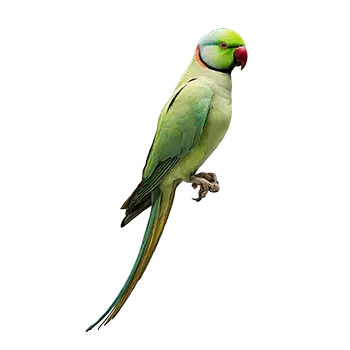

Car Travel

Traveling by car with an Indian Ringneck Parakeet requires thoughtful preparation to ensure the bird's safety and comfort throughout the journey. The most important piece of equipment is a sturdy, well-ventilated travel carrier designed specifically for birds. The carrier should be large enough for the Ringneck to stand comfortably and turn around but small enough to prevent the bird from being thrown about during sudden stops or turns. Avoid using the bird's regular cage for car travel, as large cages are difficult to secure and can shift dangerously during transit.

Temperature regulation is critical when transporting Ringneck Parakeets by car. These birds are sensitive to drafts, extreme heat, and rapid temperature changes. Never place the travel carrier in direct sunlight or position it directly in front of air conditioning vents. During warm weather, ensure the vehicle's interior remains between 65 and 80 degrees Fahrenheit, and never leave a bird unattended in a parked car, even for brief periods. Heat buildup in a closed vehicle can reach lethal levels for a bird within minutes.

Secure the travel carrier using a seatbelt or place it on the floor behind a front seat where it is least likely to shift during the drive. Line the bottom of the carrier with paper towels or a flat absorbent liner rather than loose substrate, which can shift and create dust during travel. Attach a small water dish that is designed to minimize spillage, or offer water during regular stops rather than leaving an open dish that will slosh and soak the bird.

For longer road trips, plan stops every two to three hours to check on the bird, offer fresh water, and provide a small amount of food. Ringneck Parakeets can become stressed during extended car travel, so minimizing noise, covering the carrier partially with a light cloth to reduce visual stimulation, and speaking to the bird in calm, reassuring tones can help keep anxiety levels manageable. Acclimate the bird to short car rides in advance of any long journey so that the experience is not entirely unfamiliar.

Air Travel

Air travel with an Indian Ringneck Parakeet is possible but involves significant planning and regulatory compliance. Most airlines that accept live birds require them to travel in the cargo hold in IATA-compliant containers, though a small number of carriers permit birds in the cabin on select routes. Policies vary widely between airlines and change frequently, so contacting the airline directly well in advance of your travel date is essential. Confirm not only that the airline accepts parrots but also the specific container requirements, documentation needed, and any seasonal embargoes that may apply.

IATA-compliant bird transport containers must meet strict standards for ventilation, structural integrity, and size. The container must allow the bird to stand at full height and turn around without its tail feathers contacting the sides. Ventilation openings must be present on at least three sides, and the container must include external food and water dishes that can be serviced without opening the main door. A perch securely mounted inside the container gives the bird a comfortable resting position during flight.

Health documentation is a universal requirement for air travel with parrots. At minimum, you will need a veterinary health certificate issued within a specified number of days before departure, typically seven to ten days. International flights require additional documentation, including import permits from the destination country, proof of captive-bred status, and in some cases, results of disease testing for conditions such as avian influenza or psittacosis. Failure to have proper documentation can result in the bird being refused boarding or confiscated upon arrival.

The stress of air travel can be significant for Indian Ringneck Parakeets. The noise, pressure changes, temperature fluctuations, and unfamiliar environment of cargo holds can cause anxiety and health complications. Consult with an avian veterinarian before booking air travel to assess whether your specific bird is healthy enough for the journey. Some veterinarians may recommend mild calming supplements, while others advise against sedation due to the unpredictable effects at altitude. If possible, book direct flights to minimize transit time and reduce the number of handling events the bird must endure.

Pet-Friendly Accommodations

Finding accommodations that welcome Indian Ringneck Parakeets can be more challenging than locating dog- or cat-friendly lodging, but options do exist for traveling bird owners. Many hotel chains and vacation rental platforms allow birds in guest rooms, though policies often require advance notification, additional deposits, and agreement to specific terms regarding noise and property damage. When booking, always disclose that you are traveling with a parrot and confirm that birds are explicitly covered under the property's pet policy, as some establishments define pets narrowly to include only dogs and cats.

Vacation rental properties, such as those listed on short-term rental platforms, often offer more flexibility for bird owners than traditional hotels. Entire-home rentals eliminate concerns about noise disturbance to neighboring guests and provide a more controlled environment where the bird can spend time outside its travel carrier. When renting a private property, communicate clearly with the host about the species, the bird's noise level, and any precautions you will take to protect the property from chewing damage or droppings.

When staying in any accommodation with a Ringneck Parakeet, take proactive steps to minimize the risk of problems. Bring a portable perch or small travel cage that gives the bird a comfortable space outside the carrier. Cover surfaces near the bird's area with protective sheets or towels. Be mindful of the bird's vocalizations, particularly during early morning and evening hours when calls are typically loudest. If the property has ceiling fans, open windows without screens, or accessible electrical cords, secure or disable these hazards before allowing the bird any time outside the carrier.

Some bird-specific boarding facilities and avian veterinary clinics offer overnight accommodations for parrots, which can be a practical alternative when suitable pet-friendly lodging is unavailable. These facilities are staffed by personnel experienced in bird care and provide appropriate housing, diet, and environmental conditions. Researching avian boarding options along your travel route gives you a backup plan in case accommodations fall through or if the bird shows signs of travel stress that warrant a break from the journey.

Boarding & Pet Sitting

When travel is not feasible with your Indian Ringneck Parakeet, boarding facilities and pet sitters provide alternatives that allow you to leave your bird in competent care. Avian-specific boarding facilities are the preferred option, as they are designed to meet the unique environmental, dietary, and social needs of parrots. These facilities typically maintain appropriate temperature and humidity levels, provide species-appropriate diets, and employ staff trained in bird behavior and health monitoring. When evaluating a boarding facility, visit in person before committing and assess the cleanliness, noise levels, ventilation, and overall condition of the birds already in their care.

General pet boarding facilities that accept birds are another option, though they require more careful vetting. Not all staff at general facilities have experience handling parrots, and the presence of dogs, cats, and other predator species in the same building can be stressful for a Ringneck Parakeet. Ask specifically about how birds are housed relative to other animals, what protocols are in place for medical emergencies, and whether staff members are comfortable handling and feeding parrots.

In-home pet sitting is often the least disruptive option for Indian Ringneck Parakeets, as the bird remains in its familiar environment with its regular cage, food, and daily routine. Professional pet sitters who specialize in birds or exotic animals can provide feeding, cage cleaning, and social interaction during your absence. When hiring a pet sitter, provide detailed written instructions covering the bird's diet, medication schedule if applicable, behavioral quirks, and emergency veterinary contact information. A trial visit before your departure allows the sitter and the bird to become acquainted and gives you confidence in the arrangement.

Regardless of the care option chosen, ensure that your Ringneck Parakeet's identification is current and secure. A closed leg band, microchip, or both provide a means of identification if the bird escapes during your absence. Leave your avian veterinarian's contact information with the caregiver and authorize emergency medical treatment in writing. Preparing a care packet that includes food, supplements, favorite toys, and a familiar cage cover helps maintain consistency and reduces the bird's stress during your time away.

Emergency Preparedness

Emergency preparedness is an essential component of responsible Indian Ringneck Parakeet ownership, whether at home or while traveling. Natural disasters, power outages, evacuations, and unexpected medical events can arise with little warning, and having a plan in place for your bird ensures that you can act quickly and effectively. Every Ringneck owner should maintain a dedicated emergency kit that includes a travel carrier, a three-day supply of food and water, any medications the bird requires, a basic first aid kit, copies of veterinary records, and recent photographs of the bird for identification purposes.

Evacuation planning should account for the specific needs of a parrot. Identify pet-friendly emergency shelters in your area and along any routes you might take during an evacuation. Many emergency shelters do not accept animals, and those that do may have limited space or species restrictions. Having a list of friends, family members, or fellow bird owners who could provide temporary housing for your Ringneck in an emergency gives you flexibility when official shelter options are limited.

During power outages, maintaining appropriate temperatures for your Ringneck Parakeet becomes a primary concern. In cold weather, battery-powered or chemical hand warmers placed near but not inside the cage can help maintain warmth, while insulating the cage with blankets reduces heat loss. In extreme heat, moving the bird to the coolest area of the home, providing extra water, and misting the bird lightly can help prevent overheating. Avoid using generators or fuel-burning heaters indoors, as the fumes they produce can be rapidly fatal to birds due to their highly efficient respiratory systems.

While traveling, carry a compact emergency kit in your vehicle that mirrors the contents of your home kit. Include the contact information for avian veterinarians along your route, as locating a bird-qualified vet in an unfamiliar area during an emergency can be extremely difficult. Smartphone apps and online directories maintained by avian veterinary organizations can help you identify qualified practitioners in advance. If your Ringneck becomes ill or injured while traveling, seek veterinary attention promptly rather than attempting to continue the journey, as delayed treatment can turn a manageable health issue into a life-threatening one.

Always consult a qualified professional before making any health-related decisions. This content is provided for informational reference only and should not replace professional guidance specific to your animal.