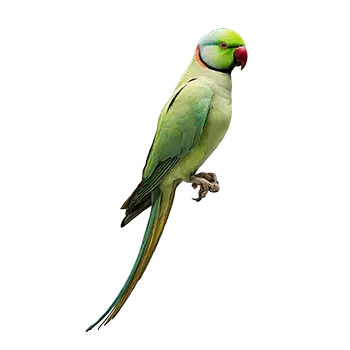

The Indian Ringneck Parakeet occupies a complex position in wildlife and pet ownership law. Unlike many parrot species that face strict international trade restrictions under CITES, the Rose-ringed Parakeet (Psittacula krameri) is not currently listed under CITES appendices, as wild populations remain abundant across their native range. However, this general classification does not mean that ownership and trade are unregulated. Individual countries, states, and municipalities maintain their own rules regarding the keeping, breeding, and sale of Ringneck Parakeets, and these regulations can vary dramatically from one jurisdiction to another.
In India, the Wildlife Protection Act of 1972 prohibits the capture, keeping, and trade of all native parrot species, including the Indian Ringneck Parakeet. Despite this legal protection, enforcement remains inconsistent, and illegal trapping and sale of wild-caught Ringnecks continues in some regions. The law applies to wild birds specifically, but the regulatory framework around captive-bred birds in India remains ambiguous, creating confusion for breeders and owners who operate within the country.
In several countries where feral Ringneck populations have established themselves, legislation has been enacted to manage or control these non-native colonies. The United Kingdom, for example, has considered various management strategies for its large feral Ringneck populations, particularly around London and the southeast. In some jurisdictions, Ringnecks are classified as invasive species, which can affect the legality of releasing captive birds and may impose reporting obligations on owners whose birds escape.
Prospective owners should research the specific regulations in their locality before acquiring an Indian Ringneck Parakeet. Laws governing parrot ownership can be found at the national, state or provincial, and municipal levels, and they may address issues ranging from outright bans on keeping certain species to permit requirements, mandatory identification such as leg bands or microchips, and restrictions on breeding and sale.