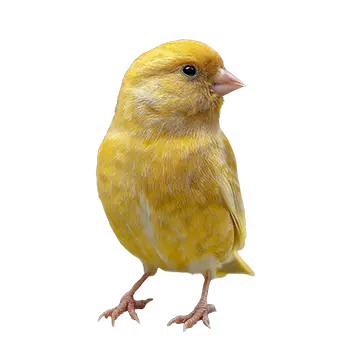

Successful transport of a Fife Fancy Canary begins well before the journey itself. Preparation is the single most important factor in ensuring that a bird arrives at its destination in good health and good feather, and experienced fanciers approach travel planning with the same care they devote to breeding and show preparation. The first consideration is the bird's fitness for travel. A canary that is moulting, recovering from illness, or showing signs of stress should not be transported unless the journey is medically necessary. Birds intended for show travel should be in peak condition, with tight, clean plumage and a demeanor that suggests alertness and confidence.
Acclimation to the travel carrier is an essential step that is often overlooked by novice keepers. Fife Fancies that have never been confined in a small show cage or transport box may react with panic when first placed in one, thrashing against the bars and risking feather damage or injury. Introducing the bird to its travel carrier in the days or weeks leading up to a journey allows it to become familiar with the confined space, reducing stress during actual transit. Many experienced breeders routinely house their birds in show cages for brief periods throughout the year, so that the transition to a travel environment is a familiar rather than alarming experience.
The timing of feeding before transport requires thoughtful management. A bird with a full crop is at slightly greater risk of regurgitation during a bumpy journey, while a bird that has not eaten for an extended period may arrive at its destination weakened and stressed. A moderate feed two to three hours before departure, supplemented by a small amount of soft food or soaked seed that is easily digestible, strikes a practical balance. Fresh water should be available in the carrier for any journey exceeding an hour, though spill-proof drinkers designed for travel cages are essential to avoid soaking the bird or its bedding.
Assembling a travel kit that includes all necessary supplies is a habit that seasoned Fife Fancy keepers develop early. A well-stocked kit typically contains spare food and water, a small first-aid kit with styptic powder and a towel, documentation such as ring records or health certificates if applicable, and any medication the bird may require. Having these items organized and ready eliminates last-minute scrambling and ensures that the keeper can respond quickly to any issue that arises during the journey.