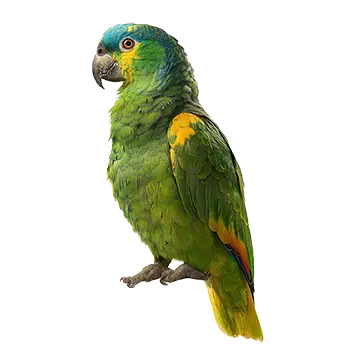

Successful travel with a Blue-Fronted Amazon begins well before the day of departure. These parrots are creatures of routine and environmental familiarity, and any disruption to their normal setting can produce significant stress. The most effective preparation strategy involves gradual acclimation to the travel carrier over a period of weeks or even months before the trip. Placing the carrier in the bird's living area with the door open, offering treats and favored foods inside, and allowing the bird to explore the carrier at its own pace all help build positive associations that will make confinement during transit far less distressing.
A pre-travel veterinary examination is strongly recommended, and in many cases legally required. An avian veterinarian familiar with psittacine species can assess the bird's overall health, identify any conditions that might be exacerbated by travel stress, and issue the health certificates that airlines and border authorities typically demand. This examination should be scheduled within the timeframe specified by the relevant regulatory authority, which in the United States is generally within 10 days of departure for domestic travel and within 30 days for international travel, though requirements vary by destination.
Dietary preparation can also ease the travel experience. In the days leading up to a trip, some experienced keepers slightly reduce the proportion of fresh fruits and vegetables in the diet to minimize digestive issues during transit, while ensuring that the bird remains well-hydrated. Familiar dry foods such as pellets and favored seeds travel well and can be offered in the carrier without creating the mess and spoilage risks associated with fresh produce. Water can be provided through a spill-resistant bottle or dish designed for travel carriers.
Behavioral conditioning is another important element of preparation. Blue-Fronted Amazons that have been regularly handled, socialized, and exposed to novel environments tend to cope better with travel than birds that have spent their entire lives in a single room. Short practice outings, such as car rides to the veterinary clinic or brief trips to the homes of friends and family, can help desensitize the bird to the sensations of movement, unfamiliar sounds, and changing visual environments. The goal is to build the bird's confidence and resilience so that travel, while never routine, does not become a source of acute distress.