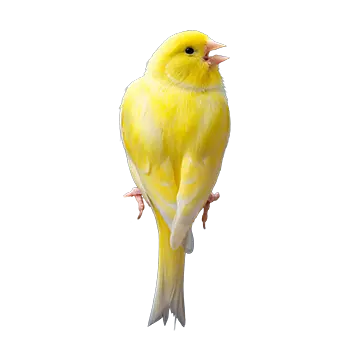

In the United States, the legal landscape for keeping domestic canaries, including the American Singer, is considerably more permissive than that governing parrots, raptors, or native wild birds. The domestic canary (Serinus canaria domestica) is not native to North America and is classified as a domesticated species, which means it falls outside the protections of the Migratory Bird Treaty Act (MBTA). The MBTA, enforced by the U.S. Fish and Wildlife Service, applies to species native to the United States and those covered by international migratory bird treaties, but domesticated canaries bred in captivity are exempt from its provisions.
The Lacey Act, another key piece of federal wildlife legislation, prohibits the trade in wildlife taken or transported in violation of state, federal, tribal, or foreign law. While the Lacey Act is primarily aimed at combating trafficking in protected species, it can apply to situations where canaries are imported or sold in violation of applicable regulations. Breeders and sellers of American Singer Canaries should be aware that the Lacey Act's broad language means that compliance with all applicable state and local laws is not merely good practice but a federal legal obligation.
The Animal Welfare Act (AWA), administered by the USDA's Animal and Plant Health Inspection Service (APHIS), regulates the treatment of animals in commerce, exhibition, and research. While the AWA does not generally apply to pet owners keeping birds for personal companionship, it can apply to breeders and dealers who sell birds at wholesale or who maintain a certain volume of commercial activity. American Singer breeders who sell birds regularly should familiarize themselves with APHIS licensing requirements to determine whether their operations fall within the AWA's scope.
Federal regulations also govern the importation of live birds into the United States. The USDA and the Centers for Disease Control and Prevention (CDC) impose quarantine and health certification requirements on imported birds to prevent the introduction of avian diseases such as avian influenza and psittacosis. While most American Singer Canaries in the United States are domestically bred, breeders who wish to import birds from foreign breeding programs must navigate these federal import protocols, which can involve mandatory quarantine periods, veterinary inspections, and substantial paperwork.