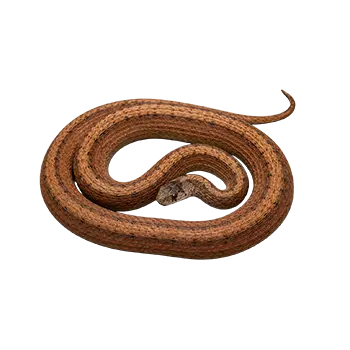

Nutritional Needs

Dekay's Brown Snakes are insectivores and invertebrate specialists, which sets them apart from the vast majority of commonly kept snake species. Unlike larger constrictors or colubrids that eat rodents, brown snakes rely almost entirely on soft-bodied invertebrates such as earthworms, slugs, and small snails. This diet is relatively low in fat and high in moisture, which mirrors the natural prey base they encounter in leaf litter, garden beds, and forest floors across eastern North America.

Because their prey items are so small and digested quickly, Dekay's Brown Snakes have a faster metabolic cycle than many other captive snakes. Juveniles in particular need to eat frequently — often every two to three days — to sustain healthy growth. Adults can be fed slightly less often, but regularity is still essential. A missed feeding window of more than a week can lead to rapid weight loss in a snake this small.

Calcium and micronutrient balance deserve special attention. Invertebrate prey tends to have an inverted calcium-to-phosphorus ratio compared to vertebrate prey, which means supplementation may be necessary over time. Keepers who rely on a single prey type without variety or dusting risk long-term deficiencies that can manifest as skeletal issues or reduced vitality.

Hydration is also a nutritional factor worth emphasizing. Much of a Dekay's Brown Snake's water intake comes directly from the moisture content of its prey. Earthworms and slugs are naturally water-rich, which helps maintain hydration levels. However, this does not replace the need for a clean, shallow water dish available at all times in the enclosure.

What to Look For in Feeder Invertebrates

The single most important criterion when sourcing feeders for a Dekay's Brown Snake is safety — specifically, ensuring the prey has not been exposed to pesticides, herbicides, or chemical fertilizers. Wild-caught earthworms from treated lawns or agricultural fields can carry toxic residues that accumulate in a small snake's body over time. If you collect prey from outdoor sources, choose areas you know to be untreated and well away from roads or commercial agriculture.

Size matters considerably for this species. Dekay's Brown Snakes have small heads and relatively delicate jaws, so prey items should be proportionate. Earthworms can be offered whole if they are on the smaller side, or cut into segments for juveniles and smaller adults. Slugs should be small enough to be swallowed without struggle, and snails — if offered — should have thin, crushable shells appropriate to the snake's size.

Freshness and liveliness of prey are also important. Brown snakes are stimulated to feed by the movement and scent of live invertebrates. Pre-killed or dried prey items are generally ignored. If you purchase feeder worms from a bait shop or garden supplier, inspect them for vitality and avoid any that appear sluggish, discolored, or foul-smelling, as these may have begun to decompose or could carry parasites.

Variety in prey selection contributes to a more complete nutritional profile. Rotating between earthworms, small slugs, and occasional pinhead snails helps prevent dietary gaps. Some keepers also experiment with small soft grubs or beetle larvae, though acceptance varies between individual snakes.

Earthworm Selection & Sourcing

Earthworms are the cornerstone of most captive Dekay's Brown Snake diets. They are widely available, nutritionally balanced relative to other invertebrates, and almost universally accepted by this species. Red wigglers and nightcrawlers are the two most commonly available types, and each has its advantages depending on the size and appetite of your snake.

Red wigglers are smaller, which makes them ideal for juvenile brown snakes or individuals that are reluctant feeders. However, some keepers report that red wigglers produce a mild defensive secretion that certain snakes find off-putting. Rinsing them briefly in dechlorinated water before offering can help reduce this issue. Nightcrawlers are larger and may need to be cut into segments for all but the largest adult brown snakes, but they tend to be more readily accepted overall.

Home vermiculture bins are an excellent long-term solution for keepers who feed invertebrate-eating species regularly. A simple worm bin stocked with red wigglers or European nightcrawlers can produce a steady, pesticide-free supply of feeders with minimal maintenance. The bedding should be free of any chemical additives, and food scraps used to sustain the colony should be limited to unprocessed vegetable matter.

If purchasing from bait shops, always confirm that the worms are intended for fishing or composting rather than treated with dyes or preservatives. Some commercially packaged worms are stored in bedding that contains chemicals unsuitable for reptile feeders. Transferring purchased worms into clean, organic soil or coconut coir for 24 to 48 hours before feeding them off can help flush any residual contaminants.

Slugs, Snails & Alternative Prey

Slugs are a natural and highly nutritious prey item for Dekay's Brown Snakes, and many individuals show strong feeding responses when encountering them. Garden slugs of appropriate size can be collected from pesticide-free areas and offered directly. Their high moisture content and soft bodies make them easy for even small snakes to consume. As with earthworms, the primary concern with wild-collected slugs is chemical contamination, so sourcing from known-safe locations is essential.

Small snails with thin shells can also be offered, particularly to larger adult brown snakes whose jaws can handle the added resistance. In the wild, Dekay's Brown Snakes are known to consume young snails by crushing the shells with specialized teeth toward the rear of their jaws. In captivity, offering appropriately sized snails encourages natural feeding behavior and provides a modest calcium boost from the shell material itself.

Some keepers have had success with other soft-bodied invertebrates such as small waxworms, Phoenix worms, or very young hornworms. These are not part of the species' natural diet and should be considered supplemental rather than primary food sources. Acceptance varies widely between individuals, and overly active or chitinous insects are generally ignored or refused.

It is worth noting that Dekay's Brown Snakes do not eat crickets, mealworms, or other hard-shelled insects in any meaningful way. Attempting to feed these items leads to frustration for both keeper and snake. Understanding this species' niche as a soft-invertebrate specialist is critical to maintaining a healthy feeding routine.

Supplements & Nutritional Support

Calcium supplementation is the most important nutritional addition for captive Dekay's Brown Snakes fed primarily on earthworms. Invertebrate prey generally contains more phosphorus than calcium, and over months or years this imbalance can lead to metabolite bone issues if left unaddressed. A light dusting of calcium powder without added vitamin D3 can be applied to prey items once or twice per week as a preventive measure.

Vitamin D3 supplementation should be approached with caution. If the enclosure provides appropriate UVB lighting — which is beneficial though not strictly required for this species — the snake can synthesize its own vitamin D3, and additional supplementation is unnecessary and potentially harmful. If UVB is not provided, a calcium supplement with a small amount of D3 can be used sparingly, but over-supplementation carries real risks of toxicity in a snake this small.

Multivitamin powders designed for reptiles can be used occasionally — roughly once every two weeks — to fill any remaining micronutrient gaps. These should be applied in minimal amounts. A fine mist on a single prey item is sufficient. The goal is insurance against deficiency, not aggressive supplementation, and more is emphatically not better when dealing with an animal that weighs only a few grams.

Gut-loading feeder invertebrates is another effective strategy. Earthworms maintained in nutrient-rich bedding made from organic vegetable scraps and calcium-fortified substrates will carry those nutrients into the snake when consumed. This method delivers supplements in a more biologically natural way and reduces the risk of oversupplementation compared to direct dusting.

Foods to Avoid

The most common feeding mistake made with Dekay's Brown Snakes is attempting to feed them prey items designed for other snake species. Pinky mice, even newborns, are far too large for this species and are not part of their natural diet. Forcing or repeatedly offering rodent prey creates stress and serves no nutritional purpose. Brown snakes are invertebrate specialists and should be fed accordingly.

Hard-bodied insects such as adult mealworms, superworms, and mature crickets are inappropriate. Their chitinous exoskeletons are difficult or impossible for a Dekay's Brown Snake to consume and digest. Even if a snake were to strike at such prey out of a general feeding response, the risk of impaction or oral injury outweighs any potential benefit.

Wild-caught invertebrates from chemically treated environments are a serious hazard. Pesticide and herbicide residues can be lethal to small reptiles even in trace amounts. Earthworms from commercial agriculture, slugs from treated gardens, and snails collected near roadsides should all be avoided. The cost of sourcing clean feeders is negligible compared to the veterinary bills or losses that result from accidental poisoning.

Firefly and lightning bug larvae are extremely toxic to reptiles and must never be offered under any circumstances. The lucibufagins they contain are cardiotoxic and can kill a small snake rapidly. Other brightly colored or bioluminescent invertebrates should also be treated with extreme caution, as aposematic coloration frequently signals chemical defense compounds.

Feeding Schedule & Routine

Juvenile Dekay's Brown Snakes should be offered food every two to three days. Their rapid growth rate and small body mass mean they burn through nutritional reserves quickly. Each feeding should consist of two to four small earthworm segments or one to two appropriately sized slugs, depending on the size of the individual. Watch for a visible but not pronounced food bulge after eating — this indicates an appropriate portion size.

Adults can transition to feeding every three to five days as their growth rate slows. Portion sizes can increase modestly, with most adults consuming two to three whole small earthworms or an equivalent volume of slug per feeding. Overfeeding is less common than underfeeding in this species, but consistently offering more food than the snake can process in a 48-hour window can lead to regurgitation or loose stools.

Feeding is best done during the evening or early nighttime hours, as Dekay's Brown Snakes are most active during twilight and overnight periods. Placing prey items directly onto the substrate near the snake's hiding spot tends to produce better feeding responses than attempting tong-feeding, as the snake will locate food by scent and movement on its own schedule.

Keep a simple feeding log to track dates, prey types, quantities, and whether the snake accepted or refused the meal. This record becomes invaluable for spotting patterns — seasonal appetite drops, prey preferences, and early signs of illness often reveal themselves through feeding behavior before any other symptoms appear. Consistency in schedule and record-keeping is one of the easiest ways to ensure long-term health in this small but rewarding species.

Always consult a qualified professional before making any health-related decisions. This content is provided for informational reference only and should not replace professional guidance specific to your animal.