
Enclosure Size and Type

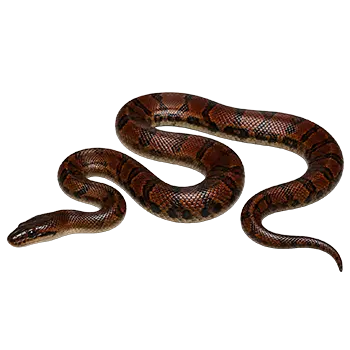
Housing a Blood Python correctly begins with selecting an enclosure that accounts for the species' unique combination of moderate length and extraordinary body mass. Despite rarely exceeding six feet in total length, an adult Blood Python can weigh upwards of thirty pounds and possesses a girth that rivals pythons twice its length. This stocky, ground-dwelling body plan demands floor space far more than vertical height, making low-profile enclosures with generous footprints the ideal choice. An adult Blood Python should be housed in an enclosure measuring at minimum four feet long by two feet deep by eighteen to twenty-four inches tall, with larger being preferable whenever space permits.

PVC and high-density polyethylene enclosures have become the preferred housing solution for Blood Pythons among experienced keepers, and for good reason. These materials retain heat and humidity far more efficiently than glass aquariums, which lose both through the screen tops that most standard aquarium setups require. The insulating properties of PVC enclosures directly address the two environmental parameters that matter most to Blood Python health — stable tropical temperatures and consistently elevated humidity. Several manufacturers produce PVC enclosures specifically designed for heavy-bodied, terrestrial snake species, with front-opening doors, built-in ventilation systems, and internal ledges for mounting heating elements.

Glass terrariums remain a viable option for Blood Python housing, particularly for keepers who prioritize visual display, but they require significant modification to maintain appropriate environmental conditions. The screen top that accompanies most glass terrariums must be partially covered with foil tape, acrylic sheeting, or a custom-cut PVC panel to retain humidity, leaving only a small ventilated section for air exchange. Even with these modifications, glass enclosures lose heat more rapidly than PVC alternatives and may require additional heating equipment to maintain stable temperatures, particularly in rooms where ambient temperature drops below seventy-two degrees Fahrenheit.

Rack systems are widely used by breeders and keepers with multiple Blood Pythons, offering a space-efficient and environmentally consistent housing solution. Tub-based rack systems designed for heavy-bodied snakes use large, opaque plastic tubs that slide into a heated rack frame, providing naturally low ceilings that make the snake feel secure and simplifying temperature regulation through belly heat delivered by heat tape or heat cable built into the rack. While rack systems lack the visual appeal of display enclosures, they excel at maintaining the stable, warm, humid microenvironment that Blood Pythons require and are often the housing method in which nervous or defensive individuals settle down and become reliable feeders.

Hatchling and juvenile Blood Pythons should be started in smaller enclosures that are appropriately scaled to their size. A six-to-twelve-quart plastic tub or a ten-gallon terrarium with appropriate modifications provides a suitably sized starter enclosure for a hatchling. Housing a small snake in an excessively large enclosure can cause stress, feeding refusal, and difficulty maintaining appropriate temperature and humidity gradients. As the snake grows, it should be moved into progressively larger housing, with each upgrade sized to accommodate the animal comfortably without creating an environment so large that the snake feels exposed and insecure.

Substrate Options

Substrate selection is a foundational husbandry decision for Blood Pythons because the substrate directly influences humidity retention, bacterial load, odor control, and the snake's physical comfort. Blood Pythons are terrestrial snakes that spend the vast majority of their time in direct contact with the substrate surface, and they are acutely sensitive to substrate conditions that other, more arboreal species might tolerate without issue. The ideal substrate for a Blood Python holds moisture without becoming waterlogged, resists mold growth, controls odor effectively, and is easy to spot-clean and replace on a regular schedule.

Cypress mulch is widely regarded as the single best substrate for Blood Pythons and is the default recommendation among experienced keepers and breeders. Cypress mulch holds humidity exceptionally well, resists mold and fungal growth due to natural antimicrobial properties in the wood, and provides a naturalistic appearance in display enclosures. It should be layered two to three inches deep throughout the enclosure, with a slightly deeper layer in the humid hide area. Cypress mulch is commercially available in bulk bags from reptile suppliers and garden centers, though keepers should verify that the product is pure cypress and does not contain cedar, pine, or other aromatic softwoods that release volatile oils toxic to reptiles.

Coconut husk products — including coconut fiber, coconut chip, and blended coconut substrates — offer excellent humidity retention and are another strong choice for Blood Pythons. Coconut fiber, often sold under brand names as compressed bricks that expand when soaked, creates a soft, absorbent bedding that holds moisture throughout the enclosure. Coconut chip, which consists of larger pieces of coconut husk, provides better airflow through the substrate layer and is less prone to compaction than fine fiber. Many keepers use a blend of coconut fiber and coconut chip, combining the moisture retention of the fine material with the structural openness of the coarser product.

Newspaper, paper towels, and unprinted newsprint serve as utilitarian substrate options that prioritize hygiene and simplicity over naturalistic appearance. These materials are inexpensive, instantly replaceable, and make it easy to monitor the snake's waste output and hydration status. Paper substrates are particularly useful during quarantine periods for newly acquired Blood Pythons, when monitoring health indicators takes priority over environmental enrichment. The primary drawback of paper substrates is their inability to hold humidity, which means the keeper must compensate with more frequent misting, larger water bowls, and additional humid hide options to maintain the sixty-to-seventy-percent ambient humidity range this species requires.

Substrates to avoid categorically include cedar and pine shavings, which release aromatic phenol compounds that cause respiratory irritation and liver damage in reptiles. Sand is inappropriate for Blood Pythons and poses ingestion risks that can lead to gastrointestinal impaction. Reptile carpet, while sometimes recommended for arid-climate species, harbors bacteria in its fibers, is nearly impossible to sanitize thoroughly, and does not contribute to humidity maintenance. Any substrate marketed as scented or treated with odor-neutralizing chemicals should be avoided, as the chemical additives can irritate the snake's respiratory tract and interfere with its chemosensory system.

Temperature and Heating

Establishing and maintaining a proper thermal gradient is non-negotiable for Blood Python health, and failures in temperature management account for a disproportionate share of health problems in this species. Blood Pythons originate from equatorial Southeast Asia, where ambient temperatures remain warm and relatively stable year-round, and they lack the physiological adaptations to tolerate the temperature swings that temperate-zone keepers sometimes inadvertently subject them to. The enclosure should provide a warm side maintained at eighty-eight to ninety degrees Fahrenheit, a cool side between seventy-eight and eighty-two degrees, and a nighttime temperature drop of no more than five degrees across the entire gradient.

Under-tank heat pads and heat tape are the most commonly used primary heat sources for Blood Python enclosures and rack systems. These radiant heat sources warm the enclosure floor from beneath, creating a warm zone that the snake can rest on to thermoregulate. For PVC enclosures and rack systems, heat tape is typically installed beneath the tub or enclosure floor, covering approximately one-third to one-half of the total floor area to create a defined warm zone while leaving the remainder unheated as the cool side. For glass terrariums, adhesive heat pads designed for reptile use are applied to the outside bottom of the tank on one end.

Every heat source used with a Blood Python enclosure must be connected to a thermostat — this is an absolute, non-negotiable requirement. Unregulated heat pads and heat tape can reach surface temperatures well in excess of one hundred and twenty degrees Fahrenheit, causing severe thermal burns that penetrate deep into the snake's ventral scales and underlying tissue. Thermal burns are among the most common and most preventable injuries in captive snake keeping, and they are devastating in Blood Pythons because the snake's heavy body presses directly against the warm substrate surface for extended periods. A quality proportional or pulse-proportional thermostat regulates the heat source to maintain consistent target temperatures and eliminates the risk of overheating.

Radiant heat panels offer a superior alternative to under-tank heating for larger display enclosures. These panels mount inside the enclosure on the ceiling of the warm end and emit infrared heat downward, warming surfaces and the snake's body without heating the air excessively. Radiant heat panels produce no light, making them suitable for twenty-four-hour operation without disrupting the snake's photoperiod. They are particularly effective in taller enclosures where under-tank heat alone may not adequately warm the air column, and they allow the keeper to create a warm basking zone on the enclosure floor without direct contact heating.

Ceramic heat emitters are another lightless heating option that can supplement primary heat sources in enclosures that struggle to maintain adequate ambient temperatures. These devices screw into standard ceramic lamp fixtures and produce infrared heat without visible light. When used with Blood Pythons, ceramic heat emitters must be protected by a heat-resistant cage or guard to prevent the snake from coiling around the fixture and sustaining burns. They are most useful as supplemental heat sources during winter months in rooms where ambient temperature drops significantly, rather than as the sole heat source for the enclosure.

Humidity and Ventilation

Humidity management is the defining challenge of Blood Python husbandry and the single factor most responsible for the species' historical reputation as a difficult captive. Blood Pythons inhabit some of the most humid environments on Earth — the peat swamp forests, riverine floodplains, and oil palm plantations of Sumatra and peninsular Malaysia, where relative humidity routinely exceeds eighty percent. In captivity, the target humidity range for Blood Pythons is sixty to seventy percent as a baseline, with access to a microhabitat zone at eighty percent or above for shedding support. Chronic low humidity causes respiratory infections, retained sheds, dehydration, and a general failure to thrive that once gave Blood Pythons their undeserved reputation as fragile captives.

The choice of enclosure material has the greatest single impact on humidity retention. PVC and ABS plastic enclosures with controlled ventilation ports naturally retain humidity far better than glass terrariums with screen tops, and this inherent advantage is the primary reason experienced Blood Python keepers overwhelmingly prefer PVC housing. In a well-designed PVC enclosure with appropriate substrate, maintaining sixty-to-seventy-percent humidity often requires nothing more than a large water bowl and occasional light misting. Glass enclosures, by contrast, require active and ongoing intervention — covering most of the screen top, misting multiple times daily, and potentially adding a room humidifier — to achieve the same humidity levels.

Substrate depth and moisture content are the primary tools for fine-tuning humidity within the enclosure. A two-to-three-inch layer of cypress mulch or coconut fiber that is lightly moistened during substrate changes creates a humidity reservoir that releases moisture gradually into the enclosure air. The substrate should feel slightly damp to the touch throughout most of the enclosure, with a drier zone near the warm end and a more saturated zone near the cool end or around the humid hide. Over-saturating the substrate creates a swampy, anaerobic environment that breeds pathogenic bacteria and fungi, so the goal is consistent dampness rather than standing wetness.

Ventilation and humidity exist in direct tension, and finding the right balance is essential. Adequate airflow prevents stagnant, fetid conditions that promote respiratory infection and scale rot, but excessive ventilation — particularly through large screen panels — strips humidity from the enclosure faster than it can be replaced. The ideal Blood Python enclosure has small, strategically placed ventilation holes or ports that allow passive air exchange without creating cross-drafts or rapid humidity loss. Many PVC enclosure manufacturers design their ventilation systems specifically to balance these competing needs, with adjustable vent covers that allow the keeper to fine-tune airflow based on ambient conditions.

A dedicated humid hide provides a critical microhabitat within the enclosure where the snake can access near-saturated conditions whenever it needs them, particularly during the pre-shed period. This can be as simple as an opaque plastic container with an entry hole cut in the side, filled with dampened sphagnum moss that maintains humidity levels well above the ambient enclosure range. The humid hide should be checked and re-moistened every two to three days, and the sphagnum moss should be replaced entirely every two to four weeks to prevent mold colonization. Blood Pythons that have reliable access to a humid hide shed cleanly and completely with far greater consistency than those relying on ambient humidity alone.

Hides and Interior Layout

Interior layout directly influences a Blood Python's stress levels, feeding response, and overall behavioral health, and getting it right is as important as nailing the temperature and humidity parameters. Blood Pythons are secretive, ambush-oriented snakes that spend the majority of their time concealed beneath cover in the wild, emerging primarily to thermoregulate, drink, and hunt. An enclosure that forces a Blood Python to remain exposed — either because it lacks adequate hides or because the hides provided are too small or poorly positioned — produces a chronically stressed animal that is defensive during handling, erratic in its feeding, and vulnerable to stress-related health decline.

A minimum of two hides is required: one positioned on the warm end of the enclosure and one on the cool end. This dual-hide arrangement allows the snake to thermoregulate without sacrificing security — it can choose its preferred temperature zone and remain hidden at the same time. Each hide should be just large enough for the snake to coil inside with its body touching the walls, creating the snug, enclosed sensation that triggers a security response. Oversized hides that leave open space around the snake fail to provide the tactile contact that makes the snake feel protected and are less effective at reducing stress.

Commercially available reptile hides come in a range of materials and styles suited to Blood Pythons. Molded resin caves and half-logs are durable, easy to clean, and available in sizes appropriate for this heavy-bodied species. Cork bark rounds and flats offer a naturalistic look and can be arranged to create tight, enclosed hiding spaces. Inverted opaque plastic containers with entry holes cut into the sides serve as functional, inexpensive hides that are easy to sanitize and replace. Whatever material is chosen, the hide must be stable enough that the Blood Python's considerable weight does not cause it to collapse or shift, which could injure the snake or create a stressful disturbance.

Beyond the essential two-hide setup, additional interior furnishings contribute to the snake's environmental complexity and behavioral enrichment. Cork bark panels leaned against enclosure walls create additional partial cover and visual barriers. Sturdy artificial or live plants provide visual complexity that breaks up sight lines and makes the snake feel less exposed, even when it is not inside a hide. A large, heavy water bowl positioned on the cool side of the enclosure serves dual functions — hydration and soaking — and should be weighted or shaped to resist tipping, because a thirty-pound snake shifting its body inside a water bowl generates significant lateral force.

The enclosure floor should not be completely open or barren. Blood Pythons navigate their environment using tactile and chemosensory cues, and an empty enclosure with two hides and a water bowl provides minimal stimulation compared to a layout that incorporates substrate texture variation, scattered cork bark pieces, and strategically placed cover objects. The goal is not to overcrowd the enclosure — Blood Pythons need clear floor space for movement and stretching — but to create an environment with enough structural complexity that the snake has choices about where to rest, how much exposure to accept, and which microhabitat zone to occupy at any given time.

Cleaning and Maintenance

A consistent cleaning regimen is essential for preventing the bacterial and fungal infections that Blood Pythons are particularly susceptible to in poorly maintained enclosures. The combination of high humidity, warm temperatures, and organic waste creates conditions where pathogenic organisms can proliferate rapidly if waste is not removed promptly and the enclosure is not maintained on a disciplined schedule. Cleaning protocols for Blood Python enclosures follow a two-tier structure: frequent spot-cleaning and periodic deep-cleaning, each serving a distinct purpose in the overall hygiene strategy.

Spot-cleaning should be performed within twenty-four hours of each waste event. Blood Pythons typically produce large, well-formed fecal deposits and a separate, semi-liquid urate component. Both should be removed along with a generous margin of surrounding substrate to ensure that all contaminated material is eliminated. Urate staining on substrate can be difficult to detect visually in some bedding materials, so removing a wider area than appears necessary is prudent. Any substrate that has become excessively wet from a spilled water bowl should also be removed and replaced during spot-cleaning rather than allowed to sit and develop bacterial or mold growth.

Deep cleaning involves a complete substrate change, thorough sanitization of all enclosure surfaces and furnishings, and an overall assessment of enclosure condition. For Blood Pythons housed on cypress mulch or coconut substrate, a full substrate change every four to six weeks is a reasonable baseline, though this interval should be shortened if the enclosure develops any musty or ammonia odor, which indicates bacterial activity in the substrate layer. During the deep clean, all hides, water bowls, and decor items should be removed, scrubbed, and soaked in a reptile-safe disinfectant solution, then rinsed thoroughly and allowed to dry completely before being returned to the enclosure.

Disinfectant selection matters. Chlorhexidine solution at the appropriate dilution is widely regarded as the safest and most effective general-purpose disinfectant for reptile enclosures. Dilute bleach solutions — typically one part household bleach to thirty parts water — are an acceptable alternative but require thorough rinsing and complete drying to eliminate chlorine residue before the snake is returned to the enclosure. Ammonia-based cleaners, phenol-based products, and scented household cleaners should never be used in or near reptile enclosures, as these products leave residues that are toxic to snakes and other reptiles even in trace quantities.

Water bowl maintenance deserves special attention. The Blood Python's water bowl should be emptied, scrubbed, and refilled with fresh, clean water every two to three days at minimum, and immediately if the snake defecates or sheds in it. Biofilm — the slimy coating that develops on water bowl surfaces — harbors bacteria and should be physically scrubbed away rather than simply rinsed. A dedicated bottle brush or scrub pad reserved exclusively for the water bowl ensures effective biofilm removal without introducing chemical residues from cleaning products used elsewhere in the household.

Always consult a qualified professional before making any health-related decisions. This content is provided for informational reference only and should not replace professional guidance specific to your animal.